100 kỹ năng tiếp thị giúp xây dựng sự nghiệp tiếp thị và bán hàng tuyệt vời
A comprehensive list of essential marketing skills — and how to gain them.
Marketing has become incredibly complicated: Different methods, different outlets, different ways to accomplish goals… most marketing professionals must be Jacks and Jills of many trades.
Why skills do you need to add to your marketing toolkit? Good question — so let’s ask someone who knows for the answer.
The following is from Jake Kurtz, a media professional, digital expert, and writer from Tampa who helps businesses create and distribute helpful, shareable content.
Here’s Jake:
Things have changed for marketers. They’re a lot more complex than they were a long time ago. More trackable. More technical. More options. More ways to succeed. More ways to fail.
Although I don’t have a full career of experience to back this all up, I’ve only been in the marketing field during the time when digital was already important, so it’s all I know.

I think that does put me at a unique advantage. This stuff is all I know, so these 100 skills are what I’ve observed since I started working. I know from experience that these are the important ones.
I’ve divided this into a few different categories. All categories that relate to different areas of marketing. Some are more specific while a few are more generic and strategic. Some are actual tools to check out and use.
Either way, these are all modern day marketing essentials for your marketing resume and optimizing your LinkedIn profile.
- Blogging
The ability to create a useful, shareable, informative blog posts that improves SEO. Companies know the importance of blogging and will invest in people who have those skills. This can also be a profitable skill for a side business for someone who can write well.
- Content Creation
The ability to create all kinds of content – blog posts, social posts, infographics, website content, landing page content, and anything else under the sun. Companies are hungry for people who can make awesome content, so definitely highlight this on your marketing resume.
- Content Marketing (High-Level)
Content marketing is different depending on who you ask. But to boil it down and make it simple – it’s the ability to use content to slowly move people down the marketing funnel. It’s conversion by investing time in content, versus investing money on advertising. Companies typically either hire an in-house content marketer, an agency, or a freelancer. All are great options.
- Copywriting – Digital and Social
Writing effective copy is half the battle in terms of digital and social ads. It can be beautifully designed, but if it says nothing, it will not resonate. Companies need good digital and social copywriters.
- Copywriting – Traditional
Traditional copywriting isn’t dead. This is still in-demand. Companies will always need people who can write effectively for marketing purposes, across all mediums.
- Crisis Management
Preparation for when something big goes down, and your company needs to either respond to something, or get involved in a conversation. Having crisis management experience is incredibly useful. It’s also helpful to have somebody who understands which conversations to get involved in, or how a brand should take a stand on an issue.
- Guest Posting
This is essential to content marketing and blogging. If you are a small company, entrepreneur, or aspiring writer, guest posting on larger websites and publications can help boost you to the next level.
- Link Building
The ability to get links from external sources is a massive SEO factor. If you know how to do this, companies will be all over it.
- Outreach (Bloggers, Influencers, Editors)
Having an existing network of bloggers, influencers, or editors. Especially in a niche space. This can be extremely valuable and can be used as a bargaining tool in terms of getting hired, negotiating contracts, or getting higher salaries.
- Podcasts & Other Audio Mediums
Audio is going to be a huge thing in the future, according to experts like Gary Vaynerchuk. With things like Alexa, Google Home, and Podcasts exploding in popularity, you should start thinking ahead and getting familiar now. That way, when the time comes, you will have a leg up on the competition.
- PR Strategy
A lot of companies don’t know the first thing about a wholistic Public Relations strategy. The ability to think big picture, and understand the entire high-level process of a successful PR initiative is huge.
- Reputation Management
Consumers look at Google, Yelp, and even social media for reviews on companies. Have a solid grasp on how to improve a company’s reputation and you will have leverage in the digital era.
- Speed
Being able to spot a trend faster than somebody else. Being able to produce something viral quicker than a competitor. Sometimes, speed is all it takes. Being first.
- Viral Content Creation/Marketing
Know what it takes to go viral. Understand the psychology of sharing content – what gets shared by people, why it gets shared, and why certain trends take off.
- Writing (Across All Mediums)
Some companies need copywriters. Some need technical writers. Some need blog writers. Some need social media content writers. The bottom line is: writing skills are timeless and will never fade out. This will always be valuable in marketing.
- Adobe Creative Suite
Know how to use PhotoShop, InDesign, Illustrator, and the whole Adobe Creative Suite. This is how most companies produce their awesome assets that can be used anywhere without losing resolution or quality.
- Calligraphy, Hand Lettering, Typography
Standing out from the crowd is huge, so companies are investing in custom fonts and custom typography. This can be a really cool way for an agency to sell themselves to a client – saying they have somebody in-house who can make custom lettering. Big skill to have if you want to start your career at an agency.
- Digital Ad Design (Understanding of Sizes & Specs)
Companies need people who know exactly what to do when they say “Hey, we need a Facebook Web Traffic ad by 3:00”. You need to know the recommended file size, image size, platform requirements, etc.
- Drone Content
Still something not every photographer and videographer knows how to do. Some industries, like real estate and travel – can benefit greatly from solid drone content to use on digital and websites.
- Graphic Design
Graphic design is always going to be an important marketing skill, especially for advertising agency careers. Make sure you are somebody who is able to produce assets out of thin air, or according to a defined strategy for a campaign.
- Photography
As content becomes incredibly more important, so will photography. A lot of companies just use stock photos, but it’s more real, authentic, and personal when everything is custom and done by a photographer.
- Video Content
Same story as photography. Video advertising, video content on social, video everywhere is so important these days. It’s a major way people are consuming content.
- Digital Campaign Optimization
Knowing the ways to optimize a campaign to make it more profitable, drive more clicks, get more impressions, etc. at the lowest cost possible. You really need to know the budgets, placements, timing, and platforms.
- Digital Targeting (Behavioral, Contextual, etc.)
The ability to take a target audience, and figure out the best way to pinpoint them via digital channels. You have to know the slight differences between different types of ad targeting.
- Display Marketing
Running a banner ad campaign – whether through the Google Display Network, through an external vendor, through an in-house trading desk, or through an ad network.
- Email Marketing Platforms
Proficient knowledge of an email platform such as MailChimp is highly respected in marketing job interviews.
- Facebook Ads
After setting realistic social media goals, digital marketers need to know how social advertising fits into the mix. Facebook Ads are tried and true. Companies know their importance, and therefore you should know their platform inside and out. Know all of the nitty gritty – custom audiences, pixels, lookalikes, placement types, etc.
- Google AdWords
Running an AdWords campaign efficiently can be one of the best media channels for a company. It’s capturing existing volume versus trying to convert people who might not be interested. Get an AdWords certification for an extra boost.
- Influencer Marketing
Paying people, celebrities, and niche influencers to promote your brand. Knowing how to coordinate an influencer marketing program is something most companies and marketing departments know is important.
- Instagram Ads
If you know Facebook ads, you will learn Instagram ads too. They are bought through the same platform. Instagram ads are becoming increasingly popular as Instagram’s monthly user base continues to grow.
- Marketing Automation
Figuring out ways to automate marketing tasks, where it makes sense. This can save companies valuable time and money. Big win for your marketing resume if you have this ability.
- Media Buying
The knowledge of the entire process of purchasing media – from negotiation, to execution, to reporting.
- Media Planning
The ability to research, strategize, and effectively plan media in a way that hits goals and sells through.
- Mobile Marketing
Mobile marketing is massively important and effective. There is so much involved in mobile marketing too. If you have this skill or knowledge, put it on your resume and LinkedIn profile because companies are looking for this, and will be in the coming years.
- Organic Search
The ability to understand how people are reaching a company’s website organically is just as important as paid traffic, if not more important. Knowing how to improve organic rankings is incredibly valuable because it shows companies you can save them money.
- Pinterest Ads
Pinterest ads are highly effective for sharing and distributing content that could potentially go viral and get shared often. It’s a great medium for many successful companies. Knowing that you have this skill could put you ahead of other candidates, especially for companies who run a lot of social.
- Retargeting
Hitting people multiple times with an ad, after they’ve already interacted with you in some way. Knowing how to implement retargeting strategies gives you a leg up because it shows recruiters and managers that you really know the digital landscape.
- SEM (Search Engine Marketing)
SEM is the overall knowledge of search engines, and how to use them for marketing purposes. It encompasses both paid and organic search.
- SEO
Search engine optimization is one particular aspect of SEM. Both have to do with increasing search engine visibility, but SEO focuses heavily on organic rank, and optimizing your website – whereas SEM goes beyond that.
- Snapchat Advertising
Snapchat will continue to be a big play for advertisers in 2017 and beyond. Having this prior experience/skill will show recruiters you are relevant and understand modern media. Not everyone has tested Snapchat ads yet, so be able to bring that knowledge and it will set you apart.
- Social Community Growth
Taking a social account (or multiple) and growing their follower-base. This has been an essential skill since social media started being used for business, and will continue to be.
- Social Community Management
In today’s digitized world, people appreciate when companies engage with the general public via social media. A very important skill to have on your marketing resume for social, PR, and digital jobs.
- Twitter Ads
Twitter is still a staple for many businesses. Know how to run tweet engagement ads, website traffic ads, and more.
- Buffer
Buffer is an essential social media management tool. You can schedule social posts, get analytics, and more. It’s been huge for me and is for many businesses.
- BuzzSumo
BuzzSumo is such a great content marketing tool. It allows you to easily search different topics and see exactly what types of content is the most popular out in the market right now. Huge to have this in your back pocket for any content marketing job.
46. Canva
Canva allows even beginners to create beautiful and professional social media ads, blog headers, email graphics, and more. I use it constantly for my LLC and people love the images I create and share. It’s incredibly simple and produces awesome results.
- Evernote
Evernote is great for PR pros, content marketers, and more. It allows people to save online content, take notes, and organize their files. Essential tool for writers and content marketing pros.
- Google Trends
Awesome tool from Google, allowing you to see visualizations on trends going on near you. This will be a heavily utilized marketing tool for years to come.
- HootSuite
Hootsuite is the bread & butter of managing multiple paid social accounts under one roof. It is considered the leading social media dashboard tool for businesses from all sizes. Having this on your marketing resume, especially for a social media job, can boost you ahead of other applicants.
- Kissmetrics
Kissmetrics is a behavioral analytics and engagement platform, and is perfect for individual marketers or product teams. It helps you understand and act on customers more effectively.
- ManageFlitter
This is a really helpful tool for growing your social accounts. It helps you find new people to follow, and has many filtering options including “Spam Score” which helps you avoid connecting with accounts that are known to blast out spam and BS.
- MeetEdgar
Great tool for scheduling social posts. Saving time and increasing web traffic are made so much easier. Take this skill to a company and show the marketing team how to save time.
- Moz
One of the most comprehensive SEO tools out there. It allows you to research, monitor, and analyze your website’s SEO efforts. I’ve used this in the past and it helped me rank for several important key terms.
- Sizmek (and other ad servers)
Sizmek is one of the biggest third-party ad serving platforms on the market. Within Sizmek, you can track, build, and monitor thousands of ad placements from one place. You can also manage campaign invoicing and finances.
- Sprout Social
Sprout is a great new platform for social media management – build your community, start and join social conversations, monitor customer service, and execute marketing plans. Huge time saver and smart solution for social media teams.
- Accountability
Even if you screw up, be willing to admit it. Take responsibility for everything you work on.
- Attention to Detail
One click can spend $50,000 if you aren’t careful. One click can mess up the analytics for a whole campaign. Attention to detail is basically a requirement for any digital marketing resume.
- Budget Management
Huge in marketing. Companies want somebody who can help them get the most out of their budgets. When they are requesting money from the company or board of directors, they want to know it’s being managed the best way possible.
- Emotional Intelligence (Clients, Internal Teams)
EQ or Emotional Intelligence is the ability to be aware of your emotions and act on them in a smart no matter what setting you are in. It’s also a predictor of job performance. This is essential in marketing because of how much collaboration is involved.
- Giving and Getting Feedback
In marketing, you need to be willing and able to bounce ideas off of internal teams and clients.
- Local Marketing
Knowledge of local marketing is big for small and medium-sized businesses. Companies will hire people with an awareness of local marketing, and the ability to execute on it.
- Marketing Funnels
You have to understand the whole marketing funnel – from the top to bottom. People who are not yet aware, people who just became aware, people who are considering, and people who are about to buy.
- Project Management
This skill will never die out. Project management is essential to any organization. To go along all of the data, metrics, optimizations, campaigns, and budgets – you need somebody to help coordinate everything and keep it on schedule. Companies will always value this.
- Affiliate Marketing
If you understand how to generate traffic or sales for a company through external sources (usually in exchange for some sort of commission), that can be a really valuable skill. It has become increasingly popular as people look for ways to monetize their online presence.
- Cold Calling
Being able to just pick up the phone, be confident, and feel comfortable talking to just about anybody.
- Cold Emailing
Knowing the right approach, frequency, length, and things to say in cold emails. The ability to write a cold email that converts can be a gold mine for companies if they have people to do it right.
- Conversion Optimization
Figuring out what is getting in the way of people converting, removing those issues, testing new things, etc. Just being able to effectively improve conversion rates. Have case studies ready for that marketing resume.
- Direct Response
The ability to run effective campaigns that are solely for lead generation. Some companies operate on this business model. If you’re applying at one, make sure you have experience with these types of campaigns.
- Pricing, Profitability, and ROI
Have a grasp of how every marketing channel is contributing to profitability and ROI. Know which products have the best margins, the best conversion rates, and the best lifetime value.
- Product Marketing
The ability to position, market, and pitch a product that doesn’t exist yet. Huge skill needed for startups and companies introducing new products.
- Proposal or Presentation Creation
Have experience supporting teams by creating effective proposals or presentations? This is an important marketing skill to have, especially for agencies who are looking to win clients.
- Prospecting
Know who to go after, when, and how. Know the right mediums. Know how to get the right contact person and their information.
- Public Speaking & Presenting
Another timeless marketing skill. You need to be able to comfortably speak in front of groups. In some digital marketing jobs, you can be introverted and hate the spotlight and get away with it. However, having this skill on top of the technical skills is a winning recipe.
- Storytelling
Can you take data and numbers and turn them into actual stories and learnings of what’s going on with a business? Put this on your resume and LinkedIn and have examples ready to describe. So important in marketing jobs.
- Big Picture Marketing Strategy
Knowing what the goals, tone, brand voice, and strategies are for your particular business. Making sure all marketing ties back to the company’s values and mission.
- Brand Positioning
Experience rebranding a company, or helping position a brand in a way that resonates with consumers. Knowing how to write a brand positioning statement. This is important for getting jobs with brand agencies, or being a brand manager.
- Channel Mix
There are so many media channels, but only limited budget. This skill is essential to marketers because it helps guide companies in a direction that makes sense for them.
- Communications Planning
The high-level strategic vision and tactics for communicating a message to a target audience. This encompasses media channels, content strategy, and timing.
- Competitor Analysis
Another strategic skill for your marketing resume is being able to understand the competition and what they’re doing. This can help you tweak or adjust a company’s product, offering, or marketing tactics.
- Consumer Behavior (Understanding and Prediction)
Do you have a knack for seeing new trends before they happen? Did you see Snapchat blowing up before it did? Did you see Instagram taking off as an ad platform before it actually happened? Being first-to-market in advertising is huge because you can get underpriced media buys that are highly effective.
- Content and Marketing Calendars/Timelines
A solid marketing and content calendar is a staple for any organized marketing department. It helps keep content distribution on theme, and helps put a “method to the madness” as they say.
- Inbound Marketing
Finding ways to bring people into your space, rather than outbound advertising. The ability to strategize and come up with ways to use content, marketing funnels, and automation to organically draw people in.
- Keyword Research & Planning
Digital marketers need to know how to do keyword research. It’s a clear indicator of existing consumer search behavior.
- Market Research
Understanding different markets within a geographic region. Make sure you know the go-to resources and what data points to look for. It can be tough to get started with this if you just don’t know where to start. Very valuable for companies.
- A/B Testing (All Mediums)
This has been a marketing buzzword for years now, and continues to be. High-level executives loves to know things are being tested and improved upon. Have this skill and you will flourish in a marketing role.
- Ad Networks (High-Level Understanding)
There are so many data sources online, and so much ad inventory available. This skill involves being able to understand how it works, explain it in plain English to colleagues, and know which ones are legitimate and which ones are just wasted ad spend.
- Ad Serving
Have a high-level understanding of ad serving, third party tracking, and DoubleClick on Google. Companies use this as a way to track all of their campaigns and attribute success (and failure) on a very granular level.
- Advertising Operations
Ad ops is the process of trafficking creative for very technical digital marketing campaigns. It’s very difficult, and companies know that. You can make a lot of money and give a lot of value by having this skill.
- CMS (WordPress, Drupal, etc.)
Know how to use at least one major content management system (CMS). I would recommend WordPress. In my experiences, it has been the most popular. Drupal is another one I’ve encountered a few times. Having a basic, working knowledge can make things a lot easier.
- Data Analysis
It’s easy to set up an analytics account, but it’s way harder to actually digest and understand the data. This is one of the single most important skills any marketer in the digital day & age should have. It will help any marketer move up more quickly in their career.
- Excel
If you can’t use Excel properly, you will have a way harder time in any marketing job. You can always expect to be exporting things to Excel, manipulating data, creating pivot tables, writing formulas, etc. If you’re still in school reading this, make sure you ace your Excel class.
- Google Analytics
Google Analytics is something any marketer should get an official certification in. Google has a great training program that shows you how to set up an account, connect it to AdWords, understand it, and create reports with it. Crucial technical skill for modern day marketers. Also crucial for any business, small or large.
- HTML/CSS (Basic Knowledge)
Being able to understand the structure of the code (layout and stylistically) of a website. This can make things a lot easier if a company needs somebody to make basic updates frequently, but can’t afford a web developer.
- Quality Assurance
Having a QA team should be a requirement for any company that spends a significant amount of money on digital marketing campaigns. Like I said before, money can be wasted with one setting wrong, or one wrong box checked. Having QA skills is a big asset.
- Site Maps
Look up what a sitemap is and make sure you’re proficient in understanding one, creating one, and submitting one. It’s a search engine’s way of understanding a website’s structure and information hierarchy.
- SQL
Sometimes, there are data points that seem impossible to get. However, somebody with SQL skills who have access to a database will tell you differently. Knowing SQL gives you a significant advantage in any marketing analytics role. There’s an online course at Udacity that will help introduce you. That’s where I learned the basics.
- Tracking and Attribution
This technical skill is key on any marketing resume because it allows you to prove success. When you put up a billboard or ad in the mall, it’s like “alright, that did well…I guess?” – but with proper tracking and attribution, campaigns can prove directly whether something worked or not.
- User Experience Design
UX Design is becoming more and more important. It’s the ability to take any product (app, website, mobile experience, etc.) and make sure it is user friendly. This requires technical skill, strategy, and creativity.
- WordPress Customization
Instead of building a website from scratch, it’s still impressive to be able to choose the right theme, know the right ways to customize the look and feel, and brand it accordingly.
- WordPress Plugin Integration
WordPress plugins basically allow you to take existing themes in WordPress, and add cool bells & whistles that basically take it to the next level. There are social sharing plugins, email signup plugins, image galleries, SEO plugins, and more. Having knowledge of the best WordPress plugins will only increase your website building skills.
Fun fact: I had to shorten this list to 100.
True story. Once I actually had it written out, it blew my mind how many different skills exist these days that you can have on marketing resumes.
I said at the beginning it was comprehensive. I lied. It’s not entirely comprehensive. I forgot to include “knowing acronyms” somewhere.
Either way, it should give aspiring and current marketing professionals an idea of where they can build their skills and add value. It’s a great start to what reality is like out in the market.
We are operating in a time where simply “marketing” as a skill is becoming a commodity, and isn’t taken very seriously. Everybody who runs their own Instagram account can say they’re a marketer, even if they have nothing to back it up. People can stuff keywords in a terribly written article and call themselves an SEO expert.
However, those types of people won’t last in the long run.
The skills above will help you add depth, true skill, and value to your marketing career. Regardless of the category you fall into above, I hope this provided some guidance as to what skills are relevant for your marketing resume and LinkedIn. Increase your value. Deliver awesome results. Give people what they want, and what they don’t even know they want yet.
That’s the key to winning in the long term as a marketer.
If you’re interested in getting Jake’s help with digital marketing, he can provide assistance in a few key areas.
Jake also offers digital marketing (social & content) for organizations and job coaching services for marketing pros with zero to two years of experience. You can learn more about those here.
Source: inc.com
Related Post

Author: admincontent
in the week Active Speakers
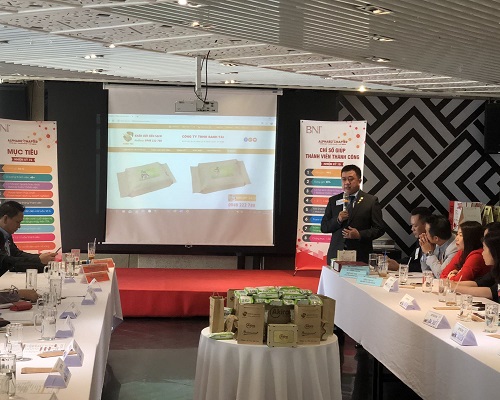
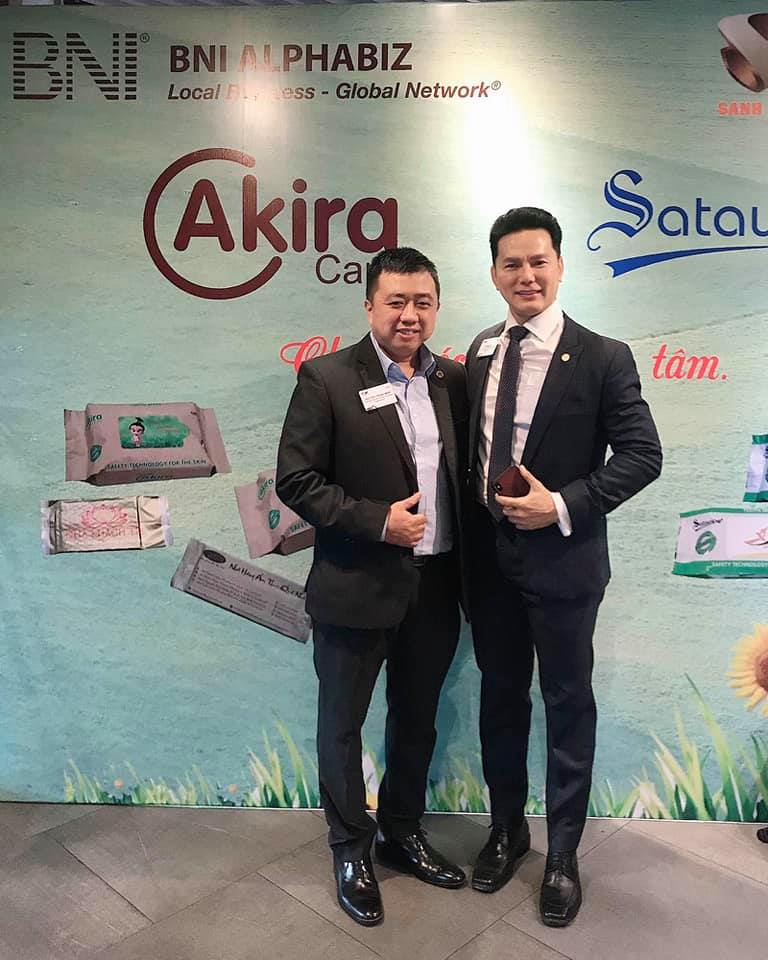
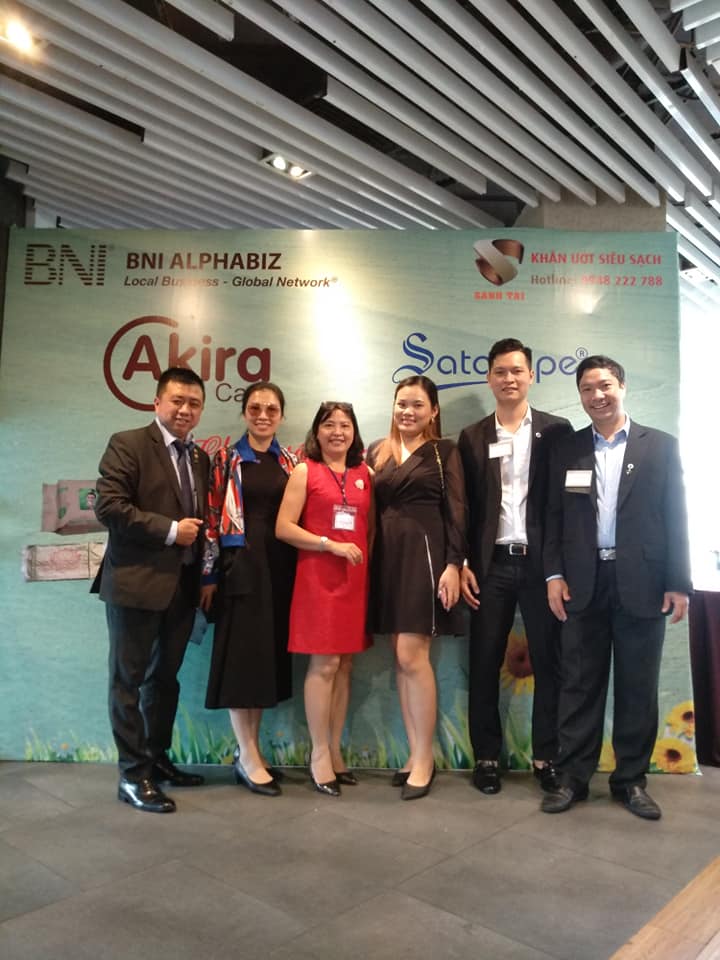
Ngày 12 tháng 12 năm 2019, ông Nguyễn Trung Minh, CEO Công ty Sanh Tai đã tổ chức buổi giới thiệu sản phẩm khăn ướt siêu sạch thương hiệu Akira, buổi giới thiệu đã thành công tốt đẹp với sự tham dự của 42 doanh nghiệp thành viên và 38 khách mời.
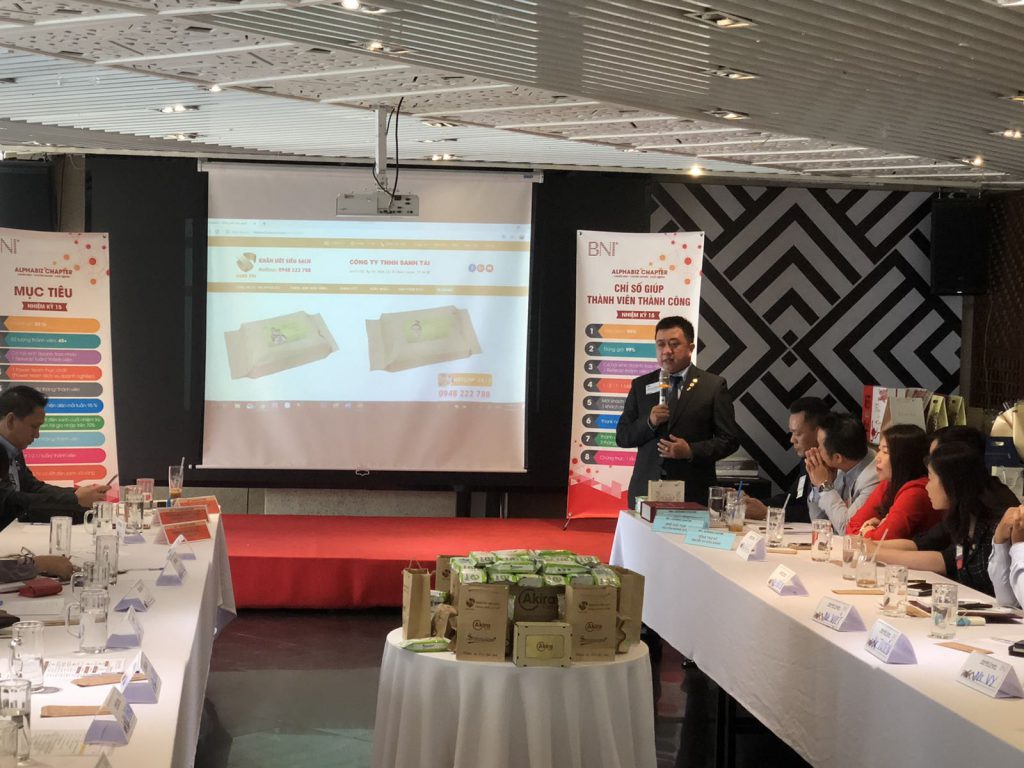

Trong buổi chia sẻ, ông Nguyễn Trung Minh đã trình bày hình ảnh về quy trình sản xuất khăn ướt đảm bảo vệ sinh an toàn trên thị trường. Công ty Sanh Tai khẳng định: “Khăn ướt của chúng tôi được sản xuất theo công nghệ ENCAPSULATE – Đức (ENCAPSULATE là công nghệ vi sinh: có chức năng diệt khuẩn, diệt virus, khử mùi), hoàn toàn thay thế các hóa chất cũ bao gồm: PM4, CM, PG, hương liệu và chất hoạt động bề mặt.”


Trong phần giới thiệu này, ông Nguyễn Trung Minh đã nhận được 25 cơ hội kinh doanh từ các chủ doanh nghiệp thành viên cũng như khách mời.
Chúng tôi chúc Công ty Sanh Tai sẽ phát triển thêm nhiều sản phẩm chất lượng hơn nữa phục vụ khách hàng.

CÔNG TY TNHH SANH TÀI
Địa chỉ: A1/17/12L Ấp 1A, xã Vĩnh Lộc B, huyện Bình Chánh, Tp.HCM
Điện thoại: 0787 222 788
Email: khanlanhsieusach@gmail.com
Website: www.khanuotsieusach.com

Để sản xuất một bộ phim hoặc một TVC ngắn thu hút người xem, quay phim tốt là yếu tố vô cùng quan trọng. Vì vậy, Bigsouth Media xin chia sẻ một số kỹ thuật cơ bản giúp bạn có được những thước phim đẹp.
1. Điều chỉnh thông số máy quay
Trước khi quay TVC quảng cáo hay bất kỳ loại phim nào, bạn nên thiết lập tất cả thiết bị quay về cùng một tiêu chuẩn để thuận tiện cho quá trình hậu kỳ. Hiện nay có 2 tiêu chuẩn quay phim phổ biến là SD và HD. Bạn cần cân nhắc lựa chọn tiêu chuẩn phù hợp.

• SD: SD NTSC và SD PAL
• HD: HD 720p và HD 1080p (NTSC: 30 khung hình / 1 giây, PAL: 25 khung hình / 1 giây)
• Ngoài ra còn nhiều chế độ quay khác, hiện đại nhất hiện nay là công nghệ 4K.
• Để đảm bảo chất lượng video, bạn nên chọn tiêu chuẩn độ phân giải cao như SD hoặc VGA trở lên. Đồng thời để phù hợp với tần số điện lưới tại Việt Nam là 50hz, bạn nên chọn tiêu chuẩn SD PAL hoặc HD PAL.
2. Lựa chọn góc quay
Trong quá trình quay phim, việc lựa chọn góc quay rất quan trọng. Có 3 góc quay cơ bản: từ trên xuống, từ dưới lên và ngang tầm mắt. Tùy vào từng cảnh quay, bạn nên chọn góc phù hợp để tăng tính sinh động.

• Góc quay từ trên xuống: mục đích là lấy toàn cảnh chính, làm nhân vật nhỏ lại, giảm mức độ quan trọng của người hoặc vật trong khung hình.
• Góc quay từ dưới lên: ngược lại với góc trên xuống, góc này nhấn mạnh nhân vật hoặc sự vật, thể hiện sự quan trọng hoặc sức mạnh của nhân vật.
• Góc quay ngang tầm mắt: thường ở độ cao từ 1.2m – 1.8m, góc quay này mang tính chân thực, ít kịch tính hơn.
3. Chọn khung hình phù hợp
Có 4 loại khung hình cơ bản khi sản xuất quảng cáo, video doanh nghiệp, phim phóng sự… Việc lựa chọn đúng khung hình sẽ giúp bạn truyền tải nội dung hiệu quả hơn. Đây là yếu tố quan trọng thứ hai trong tổng thể kỹ thuật quay phim chuyên nghiệp.

Để biết cách chọn khung hình phù hợp, hãy xem công dụng của từng loại dưới đây:
- Cận cảnh (Close-up): Dùng khi bạn muốn người xem nhìn rõ khuôn mặt nhân vật, động vật hoặc một đối tượng cụ thể. Thường áp dụng khi quay phỏng vấn, bản tin, quảng cáo sản phẩm hoặc khi muốn thể hiện cảm xúc nhân vật…
- Toàn cảnh (Wide shot): còn gọi là góc rộng, thường dùng khi bắt đầu một phóng sự, clip ngắn hoặc bộ phim… Kiểu quay này giúp ghi lại toàn bộ bối cảnh, con người và chuyển động trong không gian rộng. Thường áp dụng khi quay phong cảnh, nhà cửa…
- Đặc tả (Feature shot): tương tự kỹ thuật cận cảnh nhưng tập trung vào một chi tiết cụ thể như miệng, mắt… nhằm mô tả rõ hơn đối tượng được quay.
- Trung cảnh (Mid shot): khung hình lấy hơn một nửa cơ thể hoặc hai phần ba cảnh tùy vào chủ thể chính. Đây là kiểu cảnh rất phổ biến và xuất hiện nhiều trong hầu hết các video vì mọi chi tiết đều rõ ràng, nhân vật và bối cảnh cân đối, không quá rộng cũng không quá tập trung vào một chi tiết.
4. Sử dụng thao tác máy linh hoạt
Một quay phim chuyên nghiệp luôn phải biết sử dụng linh hoạt các thao tác máy. Các thao tác gồm: lia ngang (pan), lia từ trên xuống, zoom, lia lên trên…

Khi nào nên sử dụng các thao tác máy này?
- Khi cần phóng to một chi tiết nhất định, bạn dùng thao tác zoom, lưu ý zoom chậm và mượt để tránh gây cảm giác khó chịu cho người xem.
- Khi muốn mô tả chậm rãi một sản phẩm hoặc đối tượng, hãy sử dụng thao tác lia máy… Không nên lạm dụng vì sẽ gây cảm giác khó chịu cho người xem.
- Khi mở đầu cảnh quay, bạn nên quay từ trên xuống một cách chậm rãi. Ngược lại khi kết thúc, hãy từ từ nâng máy lên để tạo hiệu ứng khép lại cho người xem.
Những nội dung trên là các kỹ thuật cơ bản và quan trọng nhất trong quay phim. Chúc bạn áp dụng thành công vào sản phẩm video của mình!
…………………………………………………
THAM KHẢO MỘT SỐ TVC, PHIM GIỚI THIỆU ÁP DỤNG CÁC KỸ THUẬT TRÊN
https://www.youtube.com/watch?v=kcBDNQ4e7xw
TVC quảng cáo Dầu Sấu mùa mưa do Bigsouth Media thực hiện
https://www.youtube.com/watch?v=7g7-7SUMEmI
TVC quảng bá nước ép Root do Bigsouth Media thực hiện
https://www.youtube.com/watch?v=rKXv8WIV61s[/embed>
https://www.youtube.com/watch?v=0Iz3NWi86OM&t=224s
Phim giới thiệu Kizuna Group do Bigsouth Media thực hiện
https://www.youtube.com/watch?v=ckpBMIJOWTI&list=PLI3YZ67LCN2zhHNyfJbVGVO8vLHi-EWbM&index=14&t=12s
Phim giới thiệu công ty xuất khẩu hải sản Hải Hương do Bigsouth Media thực hiện
https://www.youtube.com/watch?v=twysyIIVWhE&t=0s&list=PLI3YZ67LCN2zhHNyfJbVGVO8vLHi-EWbM&index=4
Phim giới thiệu Công ty Phân bón Bình Bình tại Ninh Bình do Bigsouth Media thực hiện
Nguồn: bigsouthmedia.com
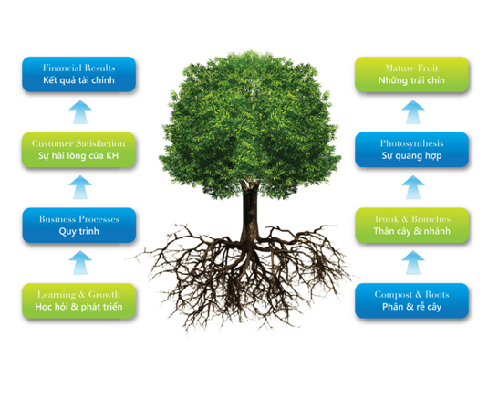

Human resource management involves managing people in an organization which plays a crucial role in accomplishment of the aims and objectives of a business. Therefore, the focus of HRM is to deal with the manpower and all the decisions related to it that can have an impact on the productivity.
As the importance of human resource management, Balance provides audits service for Human resource department.
An audit can uncover inaccuracies and discrepancies within an organisation’s records, which may be indications of weak and risk even internal fraud of HR function. Auditing HR function service helps company reduce risk and improve the efficiency of HR function.

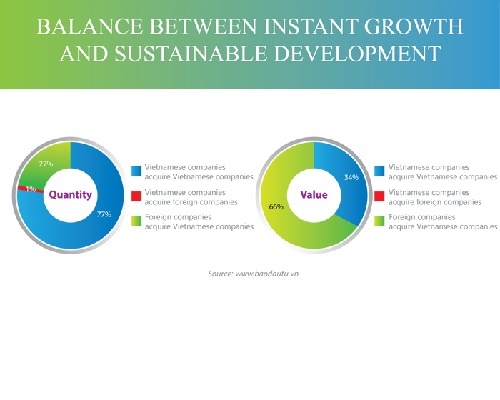

In economic globalization, companies are facing to aggressive competition from both in and out country. One of the most reasons why Vietnamese companies lose market and are acquired or liquidated is the ineffective management , unable to catch up with changes of economic environment .
As reported, from 2003 the mergers and acquisitions are increasing significantly in Vietnam. However foreign investors are playing the key roles in Vietnam’s mergers and acquisitions market while Vietnamese companies just count for 34% of total value of domestic mergers and acquisitions market and cannot participate in the international one.
Hence, Companies need to have a complete human resource management system to avoid being acquired or to purchase another companies or to restructure the organization after mergers and acquisitions. As experienced consultants in setting up modern human resource management systems regarding to every company, Balance with you builds up solid foundation to develop professional staffs, and to make balance between instant growth and sustainable development


Ngày nay, không gian xanh trong kiến trúc là một tiêu chí để đánh giá chất lượng đô thị tại Việt Nam, và việc đưa không gian xanh vào nhà cũng góp phần làm cho ngôi nhà trở nên sống động và mềm mại hơn . .
Hãy cùng chúng tôi khám phá những không gian xanh tuyệt vời mà bạn có thể áp dụng ngay cho ngôi nhà của mình.



In the bustling heart of the city of Tehran in Iran, architectural and design teams at Next Office–Alireza Taghaboni have recently completed a unique and innovative housing project called the Cedrus Residential with the goal of creatively working with the spatial limitations of trying to build new homes in a very crowded city.

In cities like Tehran, architects face many challenges when it comes to infrastructure and urban design. The idea of making new buildings in a space that is already so over-crowded is one that, in many places, has started to require building and design teams to think outside the box and fit more homes and apartments into smaller spaces without getting unrealistic when it comes to actual living spaces sizes for individuals and families.

That’s why the teams on this building decided to build up instead of out. Instead of just creating a flat, unappealing looking facade on their tall building, however, they also opted to use the outside of their building as another spatial opportunity, giving each apartment a little more living space by creating a series of unique balconies all the way the facade, giving the building some decor value and providing residents with a bit of additional space and fresh air.

In Tehran’s specific social and political climate, designers were also faced with the challenge of accounting for the common fact that people’s public and private lives are markedly different and kept purposely distinct from one another. It was therefore paramount that privacy be well prioritized. This accounts for the fact that the buildings ensure a view from other places outside the individual apartments is nearly impossible to get thanks to strategically placed windows and the partial barriers the unique balconies we mentioned earlier actually form around each unit that has one, and therefore needs bigger windows.

Inside the building, the social and welcoming spaces like the lobby are very modern looking indeed, but in a way that is formal rather than intimidating or unfriendly. Surfaces are clean and neat, edges and lines are very streamlined, and materials and shapes are contemporary. This theme in materiality and atmosphere follows one into the individual apartments as well, but in a way that is slightly more cozy and homey than on the ground floor where one might encounter the public.

Perhaps the most endearing element of the balconies for both the residents in their private lives and for the decorative sake of those viewing the buildings from the street is the way greenery has been included on each one! Designers Kept the spaces looking welcoming and made them contrast beautifully with the otherwise quite urban scenery surrounding the building by including a small garden with a small, beautiful tree to shade the space at least a little.
Photos by Majid Jahangiri
Source: homedsgn.com

In the middle of the beautifully historic Merida in Mexico, an old house near the landmark rich city centre was recently recovered from its sadly run-down state by forward thinking design teams at Taller Mexicano de Arquitectura and transformed into a breathtaking home with an old-world influenced by modern atmosphere, now called Casa Deco or Deco House.


The project is part of a fairly new but ongoing initiative in the local area on the part of city developers and architects to preserve the fundamentally historic integrity of the downtown core before it’s lost to weathering and lack of care. Rather than abolishing crumbled older buildings like many city centres do in order to replace them with new ones, designers and building teams are encouraged to make over and repurpose the old buildings where they standing, doing their best to preserve their style and cultural visuals and thereby keeping the city accurate to its history.


Deco House is actually one of the few houses in the area that actually already had the very traditional architectural style of the name it now bears, although this wasn’t always the case. A brief research of the building reveals that it initially was not created in this local style but that its facade was remodelled in the style once upon a time in a much earlier attempt to make the building resemble the local historical cityscape a little better, long before its interior was neglected and its exterior began to whether almost severely.


Rather than go back to its unmatched roots or change the facade to something entirely different, designers for the current project opted to lean into the home’s slightly unconventional history and adapt the building as though it was always rooted in the world of deco architecture and design. Since the style is typical of the area anyways, the team felt they were simply refining a previous attempt to inject some historically accurate culture into a street-scape where it was originally sadly lacking.


Now, the project is a merging place for traditional architecture and more modernized downtown living. It’s a place where all of the amenities of contemporary living can be found amidst details and decor that hearken back to more culturally and historically accurate visuals, colours, materiality, and patterns. Luxuries are integrated without sacrificing any of the originally transformed elements that made the building into a nouveau deco home in the first place.


To pull all of this off, design teams had to carefully balance and reinterpret each space in the house in order to make a newly renovated dwelling while still preserving the historical integrity of what already stood there. Of particular importance in their plan were the backyard, balconies, and terraces. These were spots that already bore a particularly stylish visual nature and good function all at once so, besides the addition of a beautiful pool, they did not need to be overhauled quite as extensively.


Other parts of the house, however, were slightly too antiquated in their function to be left as untouched as the previously mentioned outdoor spaces were. Designers kept the goal of preserving historical character at the forefront of all plans, which decor schemes and materiality were key aspects of achieving, but they still modernized and streamlined interior spaces like the bathrooms and kitchen to give the home all the convenience a modern family needs.


Some things in the house like the central winding staircase, were built entirely new for practicality, where things in the original untouched building were lacking initially, but were meticulously recreated from typical local designs that would have been historically accurate had they been included in the initial building process. This further contributes to the unique and winding nature of how the house blends aspects that are old and new, and which pieces of the house fit into which category.


Perhaps the best example of what kinds of historical and original pieces were preserved is the stone walls, where the original masonry of the house from before even its first and already outdated deco inspired remodelling can still be seen well. Designers manipulated the level and location of natural light in other parts of the house that they did overhaul in order to draw attention to things like the natural changes in colour and texture within these untouched original features.


In places where new interior structures were built, designers worked in locally sourced and repurposed timber with a natural stain, keeping things accurate and complementing the historical nature of the building while still updating the space for both function and style all at once. Even in spots where more modern joys like hammocks and artistic furniture were included, colour schemes were kept accurate to the era of the home’s origin. One notable variance is the beautifully hand painted tile floor in the dining room, where pops of colour show proudly through. This piece was created by a local artist who, though current, works in styles that have long been part of local tradition.
Photos by Tamara Uribe
Source: homedsgn.com

Creating a strong brand is a lot like building a house. It starts with building a solid brand foundation, or brand strategy.
Your brand strategy is the foundation in which all of your branding and marketing efforts are built.
Without taking the time to build a brand strategy, the foundation of all of your branding efforts will fall flat. For instance, if you’re having trouble getting traction with your marketing efforts or you’re attracting the wrong kinds of customers, you may have a weak brand that lacks strategic focus.
That’s why it pays to build a strong brand foundation before you starting marketing your organization.
But just to be clear––branding isn’t just your logo. It’s what makes you different than every other company out there.
That’s why your brand strategy should be the foundation of everything you do.
The problem is most businesses skip this important step. They want to get right to the part sexy stuff – creating campaigns to promote your business. But without a strong brand foundation, your marketing efforts will surely crumble.
Elements of a Strong Brand Foundation
So, how do you build a strong brand foundation?
You start with a stellar service or product that your target audience loves. But, once you have that, there are four key ingredients you need for a strong brand foundation:
1. Brand messaging.
The first step to building a strong brand is to solidify your key messages. These messages communicate who you are and what you do as a company.
It’s important to build strong, consistent messaging so prospective customers immediately understand what you’re about and why they should buy from you. You want to communicate the benefits of your company and what makes you different from the other options available.
How to determine your brand’s core messaging
Here are some questions that will help you think through your company’s messaging:
- Why does your company exist? What change do you want to see in the world? Why did you start your organization? The answer to these questions can help you identify what we call your Core Why. Defining a powerful Core Why can help you narrow your focus and help you determine what you stand for as an organization.
- What is your mission as a company? In other words, what core problem do you solve for your customers?
- What makes you different? What is something that only your company does? Understanding what makes your organization unique will help you stand out in a sea of competitors.
- What is your company’s story? Every brand has a story. What is yours? This could be the story of how your company got started or why you exist. People identify with stories. Crafting your story is a powerful way to communicate what your company is about.
- What are your core values? Your core values demonstrate what you stand for as a company. What do you believe or value above all else? Perhaps you place a priority on responsiveness or
- What is the personality of your business? Are you professional and serious or laid back and fun? Giving your brand a personality will help you find your company’s voice and hone in on your messaging.
Once you’ve answered these questions, hone them into three or four key messages that you will weave into everything you communicate as a company.
You also might want to consider developing a tagline – a short, snappy statement that communicates the spirit of your brand. For instance, our tagline is “helping business take flight”, which communicates our aspirational persona and brand promise of helping businesses succeed.
Although a tagline isn’t completely necessary, it can be an effective way to succinctly communicate your brand’s message – if you do it right.
2. Cohesive brand identity (or logo).
Once you know your brand’s message, you must establish the visual identity for your brand. This is your company’s logo, which is the visual representation of your brand.
It’s important that your logo effectively communicates your company’s key messages. The design, colors and font choice all play a key role in communicating who you are as a company.
What do you want your logo to say about your company?
For instance, using vintage typography can communicate that you are a time-trusted brand. Or, choosing bright, vibrant colors evokes optimism, cheerfulness and excitement.
Considerations When Designing Your Brand Identity
When developing your brand identity, there are some key questions to ask:
- Does this visually represent who we are as a company? How does it make people feel when viewing it? And is that what we want people to experience?
- How does our logo look at different sizes? Will it reproduce well when scaled down to a social media avatar or blown up on a billboard?
- Will this logo still look good a year or two from now? In other words, will this logo stand the test of time?
Once you’ve solidified your visual branding, it’s important to keep it consistent.
Establishing brand style guidelines will help ensure your logo is used appropriately and not altered for various uses.
After all, a logo is a visual cue to help people remember your company. Using it consistently will improve the recall of your brand and make sure your company is always portrayed the right way.
3. A solid home base.
In addition to nailing down your messaging and logo, you should build a digital “home base” for your company online. This should be a website that you own – not a Facebook page or a blog.
After all, your website is your digital storefront for your company. It’s important that you’re not renting space on someone else’s platform.
In today’s world, there are few companies that don’t need a solid website. Make sure your website delivers your brand promise, visually represents your brand and communicates what you’re about.
And if you want your website to drive leads and sales (and who doesn’t?), here are some of the most important elements your website should include.
4. Company-wide integration.
Once you’ve taken the time to build your brand’s foundation, then you should integrate that into everything you do as a company. Branding should influence how your team answers the phone, the way your products are packaged and even how your office is designed.
Think through how your company can live the brand each and every day. After all, everything is marketing in today’s digital world.
Brand Development Before Marketing
After you’ve done all this, then you can focus on implementing your marketing efforts and determining where best to distribute your message (i.e. advertising, social media, email marketing, etc.)
If you skip this foundational brand development work, your marketing efforts won’t be nearly as fruitful.
What do you think? Have you taken the time to build a strong brand foundation?

Các giá trị cốt lõi đóng vai trò then chốt trong việc xây dựng một nền văn hóa vững mạnh cho tổ chức của bạn.
Tại sao chúng lại quan trọng đến vậy?
Giá trị cốt lõi truyền tải những điều mà công ty bạn tin tưởng và cách mọi người đang cùng nhau làm việc hướng tới một tầm nhìn chung.
Đây là một khái niệm rất mạnh mẽ. Khi bạn xác định rõ doanh nghiệp của mình đại diện cho điều gì với tư cách một thương hiệu, bạn có thể thu hút những nhân viên và khách hàng phù hợp hơn — những người chia sẻ cùng niềm tin với bạn.
Thực tế, một nghiên cứu cho thấy các tổ chức có nhân viên cùng chia sẻ giá trị chung có khả năng đạt mức độ hài lòng khách hàng cao gấp chín lần.
Một nghiên cứu khác cũng phát hiện rằng các giá trị khác biệt được công bố trên website công ty giúp cải thiện hiệu quả tài chính.
Giá trị cốt lõi thực sự rất quan trọng.
Nếu không có chúng, tổ chức của bạn sẽ hình thành văn hóa một cách mặc định, thay vì xây dựng một nền văn hóa mạnh mẽ đang chủ động hướng đến mục tiêu doanh nghiệp mỗi ngày.
Đặc điểm của tuyên bố giá trị cốt lõi mạnh mẽ
Tuy nhiên, chỉ đơn giản là có giá trị cốt lõi thôi chưa đủ để làm công ty bạn mạnh hơn. Bạn cần những giá trị đủ mạnh — những điều mà doanh nghiệp thực sự tin tưởng và cam kết — thì chúng mới có thể tồn tại lâu dài.
Trước khi bắt đầu tạo ra một danh sách những khẩu hiệu sáo rỗng để dán trong phòng nghỉ công ty, bạn nên hiểu rõ tuyên bố giá trị cốt lõi nên trông như thế nào.
Giá trị cốt lõi của tổ chức bạn nên là…
Dễ ghi nhớ
Giá trị cốt lõi sẽ không có nhiều ý nghĩa nếu đội ngũ của bạn không thể nhớ được chúng. Chúng nên là những từ hoặc cụm từ mà toàn bộ nhân viên có thể dễ dàng ghi nhớ. Những cụm từ ngắn gọn, súc tích thường hiệu quả nhất.
Không có con số hoàn hảo về số lượng giá trị, nhưng danh sách không nên dài đến mức nhân viên không thể nhớ. Với chúng tôi, năm giá trị là con số lý tưởng. Bạn có lẽ không nên có quá 10 giá trị.
Có ý nghĩa
Những từ ngữ rỗng tuếch sẽ không mang lại nhiều lợi ích cho doanh nghiệp. Để trở thành công cụ mạnh mẽ cho thương hiệu, giá trị cốt lõi cần mang ý nghĩa sâu sắc đối với doanh nghiệp.
Nói cách khác, đó phải là những điều bạn sẵn sàng bảo vệ và đấu tranh vì chúng. Giá trị cốt lõi nên là điều mà bạn và đội ngũ thực sự tâm huyết. Những tuyên bố giá trị mạnh nhất thậm chí là những điều mà nhân viên sẵn sàng áp dụng vào cuộc sống cá nhân vì họ tin tưởng sâu sắc vào chúng.
Có thể hành động
Vì giá trị cốt lõi định hướng cách đội ngũ làm việc mỗi ngày, mỗi tuyên bố giá trị nên là một hành động hoặc cụm từ mang tính hành động.
Ví dụ, từ “liêm chính” khá mơ hồ và không thể hiện rõ nên hành xử thế nào. Nhưng những cụm như “làm điều đúng đắn” hoặc “chọn sự trung thực” lại thể hiện hành động cụ thể của sự liêm chính.
Các tuyên bố mang tính hành động giúp hướng dẫn rõ ràng hơn cách áp dụng giá trị trong công việc hằng ngày.
Được định nghĩa rõ ràng
Ngoài bản thân tuyên bố giá trị, bạn nên có thêm ví dụ, giải thích hoặc các gạch đầu dòng làm rõ từng giá trị.
Ví dụ, mỗi giá trị của chúng tôi đều có thêm một hoặc hai câu giải thích. Buffer sử dụng các gạch đầu dòng để minh họa cách áp dụng giá trị mỗi ngày. Netflix thậm chí tạo cả một bộ slide giải thích chi tiết ý nghĩa từng giá trị.
Nói cách khác, giá trị cốt lõi không nên mơ hồ — hãy định nghĩa rõ ràng để mọi người hiểu chính xác ý nghĩa của chúng.
Độc đáo
Điều này có thể khá hiển nhiên, nhưng giá trị cốt lõi cần phản ánh văn hóa riêng và mang dấu ấn độc nhất của doanh nghiệp bạn.
Dù có thể có những doanh nghiệp khác sử dụng từ ngữ tương tự, tổng thể danh sách giá trị phải mang bản sắc riêng của thương hiệu. Đừng sao chép. Giá trị cốt lõi phải chứa “DNA” thương hiệu của bạn.
Mang tính bền vững lâu dài
Giá trị cốt lõi không nên thay đổi. Nếu có thay đổi, điều đó phải được cân nhắc rất kỹ lưỡng.
Giá trị cốt lõi là kim chỉ nam cho mọi việc bạn làm. Điều đó đồng nghĩa đôi khi việc tuân theo chúng sẽ rất khó khăn, vì bạn phải đưa ra những quyết định khó để giữ vững các giá trị này.
“Việc xây dựng những giá trị mạnh mẽ — và kiên định với chúng — đòi hỏi sự can đảm thực sự. Khi được thực hành đúng cách, các giá trị có thể gây ra sự ‘đau đớn’ cho tổ chức.”
– Patrick M. Lencioni, Harvard Business Review
Quy trình xác định giá trị cốt lõi
Vậy làm thế nào để xác định giá trị cốt lõi cho thương hiệu của bạn?
Có nhiều cách khác nhau, và phần lớn phụ thuộc vào quy mô cũng như tính cách doanh nghiệp.
Ví dụ, quy trình của một tập đoàn lớn sẽ rất khác so với một startup chỉ có vài nhân viên.
Dưới đây là cách nhóm chúng tôi đã thực hiện — cùng một số ý tưởng bạn có thể áp dụng.
1. Brainstorm ý tưởng và gom thành chủ đề
Vì là một đội nhỏ, chúng tôi bắt đầu bằng buổi brainstorm với giấy note dán. Mỗi người có một xấp giấy note, đặt đồng hồ đếm giờ và viết câu trả lời cho các câu hỏi:
-
Chúng ta đại diện cho điều gì?
-
Điều gì chúng ta coi trọng nhất?
-
Chúng ta tin vào điều gì với tư cách một công ty?
Sau vài phút viết, chúng tôi dán tất cả lên bảng trắng để cùng xem và bắt đầu nhóm các ý tưởng thành những chủ đề chung.
Kết thúc buổi brainstorm, chúng tôi thống nhất được năm từ khóa hoặc chủ đề chính cùng các ý bổ trợ.
Với công ty lớn hơn, bạn vẫn có thể áp dụng cách này với đội ngũ lãnh đạo.
Hoặc thu thập ý kiến nhân viên thông qua khảo sát, sau đó tổng hợp thành các chủ đề giá trị.
2. Để ý tưởng “ngấm” và thu thập phản hồi
Sau buổi brainstorm, chúng tôi đưa tất cả ý tưởng vào một Google Doc chung và để chúng “ngấm” trong vài tuần.
Chúng tôi nhận ra một số từ chưa thực sự phù hợp. Thay vào đó, chúng tôi chú ý hơn đến cách giao tiếp khi làm việc với nhau và với khách hàng.
Những ý tưởng mới được ghi lại — vẫn giữ tinh thần ban đầu nhưng ngôn ngữ mạnh mẽ và thể hiện rõ hơn cách chúng tôi muốn hành động.
Với doanh nghiệp lớn, bạn nên thu thập phản hồi từ đội ngũ để xem danh sách giá trị ban đầu có thực sự tạo sự đồng cảm hay không.
3. Tinh chỉnh danh sách
Trong chuyến retreat của nhóm, chúng tôi mang theo toàn bộ ghi chú và dành vài giờ để thảo luận, cắt giảm và tinh chỉnh ngôn từ.
Sau khi thống nhất năm giá trị cuối cùng, chúng tôi viết định nghĩa cho từng giá trị nhằm giúp đội ngũ hiểu cách áp dụng chúng mỗi ngày.
Hãy xây dựng giá trị cốt lõi NGAY BÂY GIỜ
Không có một quy trình chung phù hợp cho tất cả, nhưng phương pháp này đã hoạt động hiệu quả với đội ngũ của chúng tôi.
Điều quan trọng nhất là HÀNH ĐỘNG. Nếu tổ chức của bạn chưa có giá trị cốt lõi, thì bây giờ chính là thời điểm tốt nhất để bắt đầu.
Chúng tôi nhận thấy rằng việc có giá trị cốt lõi giúp công việc tập trung hơn. Và khi tuyển dụng thành viên mới, chúng tôi cũng dựa trên những giá trị này.
Giá trị cốt lõi mang lại ý nghĩa lớn cho doanh nghiệp — ít nhất là với chúng tôi. Đừng trì hoãn bài tập này. Bạn sẽ thấy nó cực kỳ giá trị cho thương hiệu của mình.
Công ty bạn đã có giá trị cốt lõi chưa? Nếu có, hãy chia sẻ ở phần bình luận — chúng tôi rất muốn được nghe từ bạn!

It’s a new year and if you’re like many companies, you’ve got a fresh new marketing plan to help you grow your business.
However, for that marketing plan to work, it can’t sit in a drawer. You have to actually DO something with that strategy.
That’s where implementation comes in.
But, how do you implement that nifty marketing strategy? How do you set up your marketing efforts for success?
That’s what we’ll cover today.
How to Implement Your Marketing Plan
1. Set the right expectations.
It’s important to remember that marketing is not a quick fix. If you want your marketing efforts to be successful, it’s important to remember that this is a marathon, not a sprint.
We often tell companies that it takes 6-12 months before you start to see the return on your marketing efforts.
Think of it like rolling a snowball down a hill. The snowball is small at first and it takes a lot of work to get it started. But, once you get going, the momentum builds and it gets a lot easier for it to grow.
Marketing works much the same way. It will take some time and effort to build the right foundation for your efforts. Once you do, you’ll start to see the momentum you’re looking for in your business.
Because marketing success takes time, it’s important to make sure your company leadership and team understands that. Setting those expectations up front will help everyone understand
2. Build the team and secure resources.
Who will be on your marketing implementation team? It’s important to think through who you will need to help with this effort.
Sometimes, that will include employees at your company – such as members of your marketing department (if you have one), sales team or customer service department.
Other times, that means bringing in an outsourced marketing partner or a number of vendors to help you.
Either way, make sure you know who needs to be on your team to implement the effort.
Also, look at what other resources you need. Are there tools, materials or education that you need to get started? If so, make sure you get those resources in place too.
3. Communicate the plan.
Once you have built your marketing team, be sure to communicate the marketing strategy to this group and help them understand the goals. Make sure each member of your marketing team understands the role they plan in the implementation effort and how they will contribute to your success.
In addition to communicating the plan to your core team, you should also give the rest of your company an overview of your efforts. This will help create excitement about your efforts and make your entire organization feel they are part of what is happening.
4. Build out timeline and tasks.
If your marketing strategy didn’t include a detailed project timeline, now is the time to build one. It makes sense to take each project and break it up into smaller tasks and deadlines to make the effort manageable for your team.
Also, it helps to work backwards from when you want to launch an effort. So, for instance, if you want to launch a new website in May, work backward to see what needs to happen to deliver on that.
When you’re setting this up, it can be helpful to use project management software. This will allow you to easily assign tasks and deadlines to team members, while also keeping everyone on the same page.
Our team uses Asana and we LOVE it! It’s fantastic free tool that cuts down on email and makes it easy for us to stay on top of our projects. However, there are plenty of other options out there, such as Basecamp and Trello.
Find the process that works best for you and then stick to that so your team can stay on top of their projects.
5. Set up a dashboard for tracking success.
You can’t manage what you don’t measure. That’s why it’s important to set up the proper tracking tools to measure your efforts.
Your measurement dashboard should be a template that you can easily update with key metrics throughout your campaigns.
What gets measured will be different for every company based on your goals and marketing strategy. However, make sure to tie your metrics to the overall business objectives for your marketing efforts.
So, for instance, if your company wants to increase revenue by 25% this year, make sure your efforts are tracking the number of leads and sales generated from your efforts.
You should also track the key performance indicators (KPIs) for those metrics, which are things that could impact those top line results. These KPIs could include things like email sign ups, eBook downloads, webinar participation, etc.
6. Monitor and check-in regularly.
Once you’ve built that measurement dashboard, it should be easy for you to plug in the necessary information along the way. Doing this will help you easily gauge the temperature of your marketing efforts.
At the very least, you should do a monthly check-in of your results so you can see what is working and what isn’t. For larger efforts, it makes sense to do this on a weekly basis.
As part of your regular monitoring effort, you should also meet with your team regularly to go over the progress. This helps everyone understand how things are going and what needs to be done to reach your goals.
7. Be willing to adapt.
One of the biggest reasons for regular measurement and monitoring is so you can easily see what’s working with your marketing and what’s not.
When a particular marketing effort isn’t producing the desired results, look for ways to improve on the tactic before throwing it out the window. Sometimes, small tweaks can make a big difference.
For instance, refining your targeting and copy on your pay-per-click advertising can lead to a better conversion rate. Or, perhaps you can test different design or copy for your landing pages to see if you can improve conversions.
And, if tweaking an effort doesn’t do the trick, look for new ideas and tactics to reach your audience. Although a marketing plan is a good roadmap to follow, you have to be willing to deviate from it if it doesn’t work.
8. Communicate results and celebrate success!
If you want to create momentum for your business, don’t overlook this important step. Letting your team know that your marketing efforts are working can create a huge boost for morale and help stimulate massive momentum for your company.
It’s also a great idea to reward your team when you hit certain benchmarks and goals.
And, even if things don’t work, be sure to share that information too. It will give your team the opportunity to share feedback and generate new ideas.
How do you implement your marketing plan?
Certainly, this isn’t a complete list of everything you need to do to successfully implement your marketing plan. But, this gives you a good guideline for the key activities that need to take place. If you follow these steps, you’ll be in a much better place with your marketing implementation.
But, I would love to know – how do you successfully implement your marketing plan? What would you add to this list? Or, what questions do you have about implementing a process like this?
Let me know in the comments. I’d love to hear from you!

Considering changing the name of your business?
It’s not something to take lightly. A company name change is a delicate process that must be handled properly.
However, there are some instances where making this kind of change is important – even critical – to a business. In fact, we recently made this recommendation to one of our clients.
Names that work at a company launch aren’t always the best as a company grows or changes. In fact, sometimes brand might be holding you back from where you want to go.
Just take a look at some famous examples of companies that have changed their name.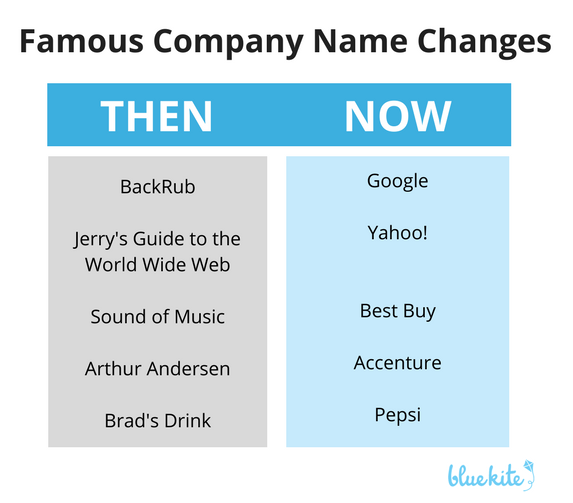
- Google was once Back Rub.
- Yahoo! Was originally Jerry’s Guide to the World Wide Web.
- Before it was Best Buy, it was Sound of Music.
- Accenture was originally Arthur Andersen.
- PepsiCola started out as Brad’s Drink.
Do you think these companies would have reached the same level of success if they had stuck with their original names?
Probably not.
That’s why your brand name matters. A lot. And it pays to get it right.
After all, your name is arguably the most important component of your company’s brand.
Your business name the first thing people mention when talking about your company. It’s uttered hundreds of times a day by you and your team and it’s plastered on all of your materials.
Your name can either open doors or get them slammed in your face. It can cause people to sit up and take notice or completely ignore you.
The question is – is your name sending the right message?
Let’s take a look.
Top Reasons to Change Your Company Name
So how do you know if you should change your name? Here are some top reasons we recommend a company name change.
1. You suffer from brand confusion.
Does your company ever get calls for a business with a similar name? Or, do people ever mistake your company for another business with one that does something else entirely? Or, do you have trouble with people constantly misspelling or mispronouncing your name? If so, your company may suffer from brand confusion.
This can be especially problematic if brand confusion occurs with other companies within your own industry. In the case of our client, there are three competitors in their market that all use strikingly similar acronyms starting with the same letter. Two of the companies even share the same logo colors.
So, how does a potential customer know the difference?
If your brand name is not distinct, it means your marketing efforts have to work even harder to position your brand in the marketplace. In other words, be prepared to outspend the competition.
2. You’ve changed industries, products or strategies.
Businesses often pivot to respond to market positions. Maybe that means you’ve added a new product or service line. Or perhaps you’ve changed industries all together.
If you change core products or services or have moved into an entirely new industry, you might need to consider a new name – especially if your brand specifically mentions the work you do.
If that’s the case, your name might be a hinderance as you go after a new market.
In some cases, a name is flexible enough that it can go after a new market. Virgin, for example, has worked well for airlines, hotels, mobile phones and even space travel. But, there are few brands that have this level of flexibility.
3. It’s a legacy name that no longer works.
Many companies choose to name their organization after their founder. This is especially common with professional services firms, ranging from the financial and legal sectors to architects and creatives.
However, this can pose problems with founders or partners leave – or perhaps are long since deceased. Sometimes, companies named after people can stand the test of time. Walt Disney, McDonald’s, Morgan Stanley, Johnson & Johnson and Boeing are all famous brands named after company founders.
But, if your organization doesn’t have that level of name recognition or legacy, founder-based names might be problematic for you – especially if the founder is gone.
4. It’s too closely tied to a location.
Many local businesses choose to brand their company based on their location, such as Anytown Dentist or 4th Avenue Flowers.These names do little to differentiate the company and instead only point to a location.
If you’re the only florist or dentist in town, maybe this is fine. But, for companies in larger areas, this doesn’t help you stand out. And, if you want to expand to other locations, this can be especially limiting.
Here’s a great example. One of my favorite local hangouts is M.L. Rose Craft Beer & Burgers. The restaurant started as The Melrose, a fitting name for the Melrose neighborhood. However, as the restaurant made plans to expand to a second location, the neighborhood specific name no longer made sense. Additionally, they were concerned with brand confusion with other establishments in the neighborhood using the Melrose name.
Here’s what they said in their brand announcement press release:
“We didn’t want to abandon our roots with a name change, but we did need to find a way to make it easier to expand to other locations, “ said Ray. “M.L.Rose Craft Beer & Burgers has a great feel because it allows us to hold on to our past as we move toward our future.”
If your company has plans to expand, a name change might be prudent.
5. It’s too generic or mediocre.
You name should be one of your company’s distinguishing factors. However, if your name is too generic or unmemorable, it might be time to let it go.
Why?
Your brand name should be “sticky” in the minds of your audience and help you stand out from the competition. However, if your name is too boring, bland or generic, you’ll have a tough time gaining the attention of your target audience.
Acronyms are a prime example. Name three letters and I can bet there are at least a dozen companies that are branded under that moniker. The problem is that many acronyms have little meaning. We’ve even worked with companies where the letters in their name don’t even stand for anything! Certainly, there are situations where acronyms work – IBM is one example. However, an acronym doesn’t give you a competitive edge.
Another trap is using generic words or phrases to describe your industry or work – Quality Consulting, Quick Car Wash, Top Notch Printing, etc. If your name simply describes your industry, that’s not helpful to customers. It doesn’t do enough to signal to customers why they should choose you.
This category is the trickiest of all. It can be easy to simply settle with the name you have. You might be thinking, “it’s good enough, right?”
But, if you want to build a game-changing business, you need a breakthrough brand that causes people to sit up and take notice.
Before Making a Company Name Change
If you look at this list, you might think that every company should rename.
Far from it.
Renaming doesn’t come without it’s risks and challenges. It’s imperative that the benefits far outweigh the costs of doing so.
Before you decide to rename your business, you must take the following steps:
- Have a clear strategy. If you don’t have clear, strategic positioning for your company, start with that first. An undifferentiated business only leads to a boring, bland brand. You must clearly articulate your brand’s Core Why. In other words, you must have a clear understanding of why you exist and how your organization meets the Core Need of your target audience.
- Allocate appropriate resources. Although your name might be hurting you, renaming your business takes time and money to do it right. Resist the urge to create a company contest or plug some ideas into a name generating tool. Invest the resources to partner with a team who can help you craft a name that serves as a launching pad for your brand story. It pays to get this right. A failed renaming effort can set you back even further. Remember when Netflix rebranded as Quickster? You don’t want that to happen to you.
- Fix what’s broken. A new name cannot fix a broken business. Yes, if your company was embroiled in scandal, you might be a position where renaming would be advantageous. However, a new name without wholesale changes is simply putting lipstick on a pig. Make sure a new name reflects who you are as a company – not simply trying to cover up a blunder or repackage the same, old thing.
Change is hard – especially when it comes to company’s brand name. But, it some cases, it can be an incredibly important step to reaching the next level in your business.

Indonesian Anti Dumping Committee (Komite Anti Dumping Indonesia/KADI) has initiated an anti-dumping investigation on the product of Zinc Aluminum Coated Steel of Vietnam and China.
On August 26th, 2019, KADI has decided to initiate an anti-dumping investigation on the product of Zinc Aluminum Coated Steel (Baja lapis aluminum Seng or BJLAS) imported from Vietnam and China. The imported goods that are investigated (BJLAS) are classified by the HS code 7210.61.11, 7212.50.23, 7212.50.24, 7212.50.29, 7225.99.90, 7226.99.19 và 7226.99.99.
According to the announcement, KADI affirmed that they found sufficient preliminary evidence includingacts of dumping products from People’s Republic of China (RRT) and Vietnam, Domestic Manufacturing Industry’s (Industri Dalam Negeri or IDN) losses, and causal relationship of acts of dumping products and IDN’s losses.
Besides, KADI will send the questionnaire and copy of the non-confidential application as well as the announcement of the commencement of this investigation to the known interested parties and they can give the request consultation.
KADI invites all interested parties to make its company known within 14 (fourteen) calendar days since August 26th, 2019.
Businesses wish to know more about the case, please leave information or contact ATIM LAW FIRM for advice – Mrs Huynh: huynhnt@atim.com.vn
Theo Atim.com.vn
Đăng ký để nhận Nhận vé mời