Sửa đổi một số điều khoản trong luật doanh nghiệp dự án hợp tác công tư và luật đầu tư
Theo đó, Luật PPP, Luật Doanh nghiệp và Luật Đầu tư sẽ có một số thay đổi nhất định.
Cụ thể, đối với Luật PPP (Luật Đầu tư theo phương thức đối tác công tư), theo dự thảo luật trình cơ quan thẩm tra, ngưỡng tối thiểu để triển khai các dự án PPP trong từng lĩnh vực do Chính phủ quy định nhưng không thấp hơn 200 tỷ đồng.
Đối với dự án Luật Doanh nghiệp (sửa đổi), một điểm đáng chú ý là khái niệm doanh nghiệp nhà nước đã được điều chỉnh, theo đó bao gồm hai loại hình: doanh nghiệp do Nhà nước nắm giữ 100% vốn điều lệ và doanh nghiệp do Nhà nước nắm giữ trên 50% vốn điều lệ hoặc tổng số cổ phần có quyền biểu quyết.
Liên quan đến Luật Đầu tư (sửa đổi), một trong những điểm nổi bật của lần sửa đổi này là bãi bỏ 12 ngành, nghề đầu tư kinh doanh có điều kiện. Đồng thời, dự thảo luật cũng loại bỏ nhà ở thương mại khỏi danh mục đối tượng được hưởng ưu đãi đầu tư, nhằm bảo đảm sự thống nhất với quy định của Luật Đất đai.
Ngoài ba dự án luật nêu trên, tại kỳ họp kéo dài hai tuần này, Ủy ban Thường vụ Quốc hội còn cho ý kiến đối với nhiều dự án luật khác, bao gồm: Luật sửa đổi, bổ sung một số điều của Luật Phòng, chống thiên tai và Luật Đê điều; Luật Chứng khoán (sửa đổi); Luật Thanh niên (sửa đổi); Luật sửa đổi, bổ sung một số điều của Luật Kiểm toán Nhà nước; Luật Hòa giải, đối thoại tại Tòa án; và Luật sửa đổi, bổ sung một số điều của Luật Tổ chức Quốc hội.
Related Post

Author: admincontent
in the week Active Speakers
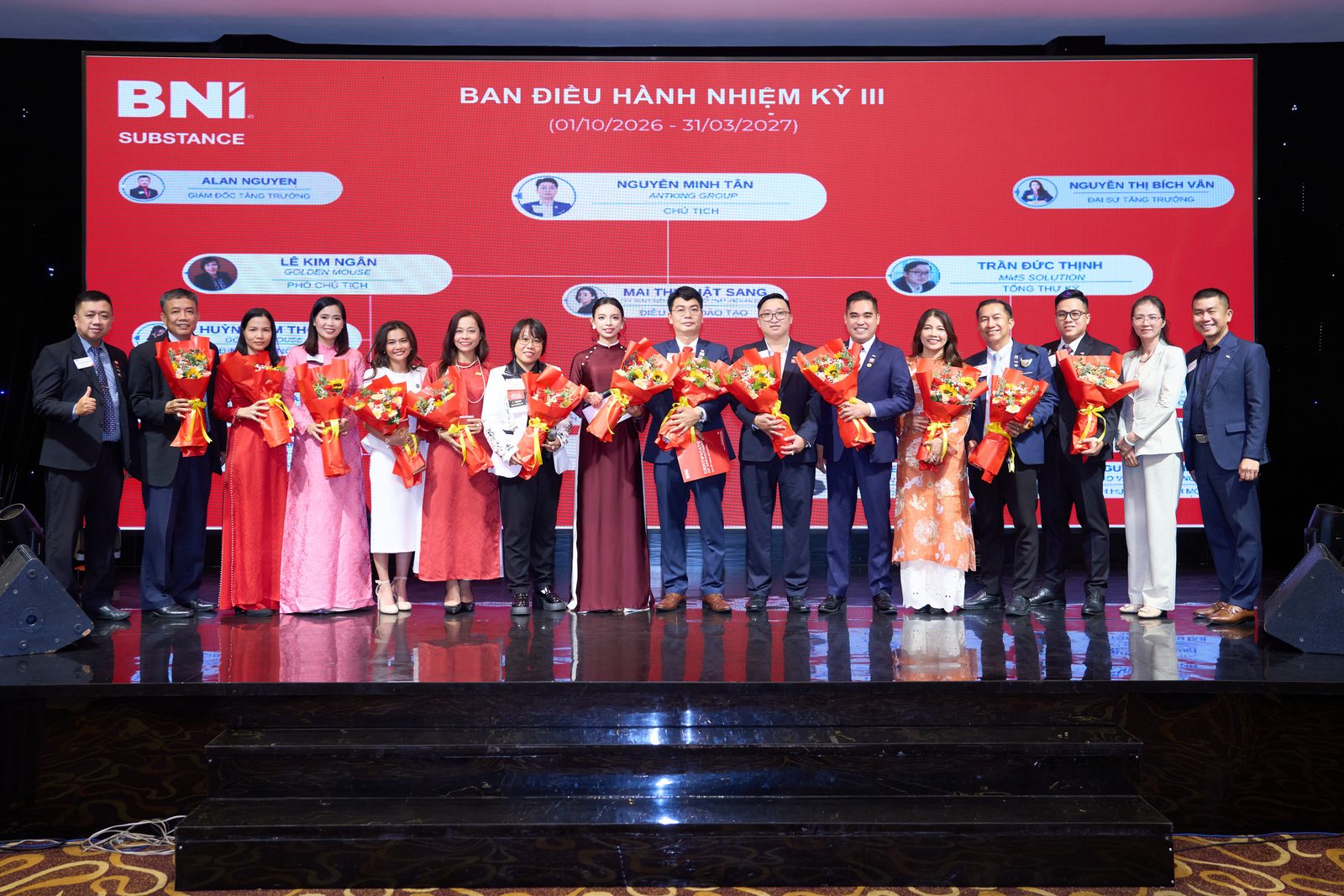
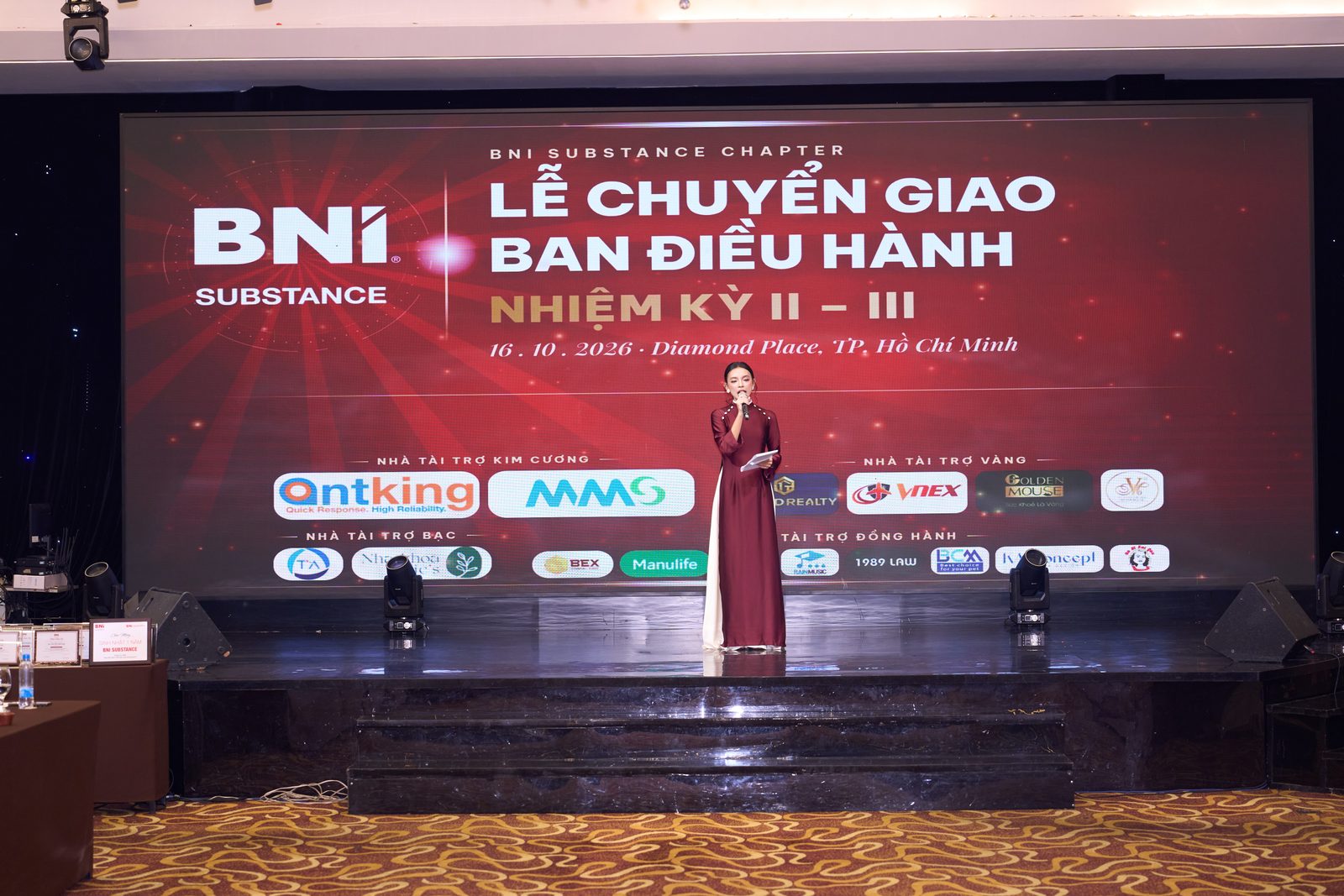
Chiều Thứ Sáu, ngày 16/10/2026, tại Diamond Place (15A Hồ Văn Huê, P. Đức Nhuận, TP.HCM), BNI Substance Chapter (BNI HCM West) đã tổ chức Lễ Chuyển giao Ban Điều hành Nhiệm kỳ II – III và Kỷ niệm 01 năm thành lập với chủ đề “Nâng tầm kết nối – Bứt phá tăng trưởng”. Khoảng 150 thành viên, khách mời, Ban Giám đốc BNI cùng Chủ tịch và đại diện nhiều chapter bạn đã có mặt để cùng chứng kiến cột mốc đầu tiên của gia đình Substance.
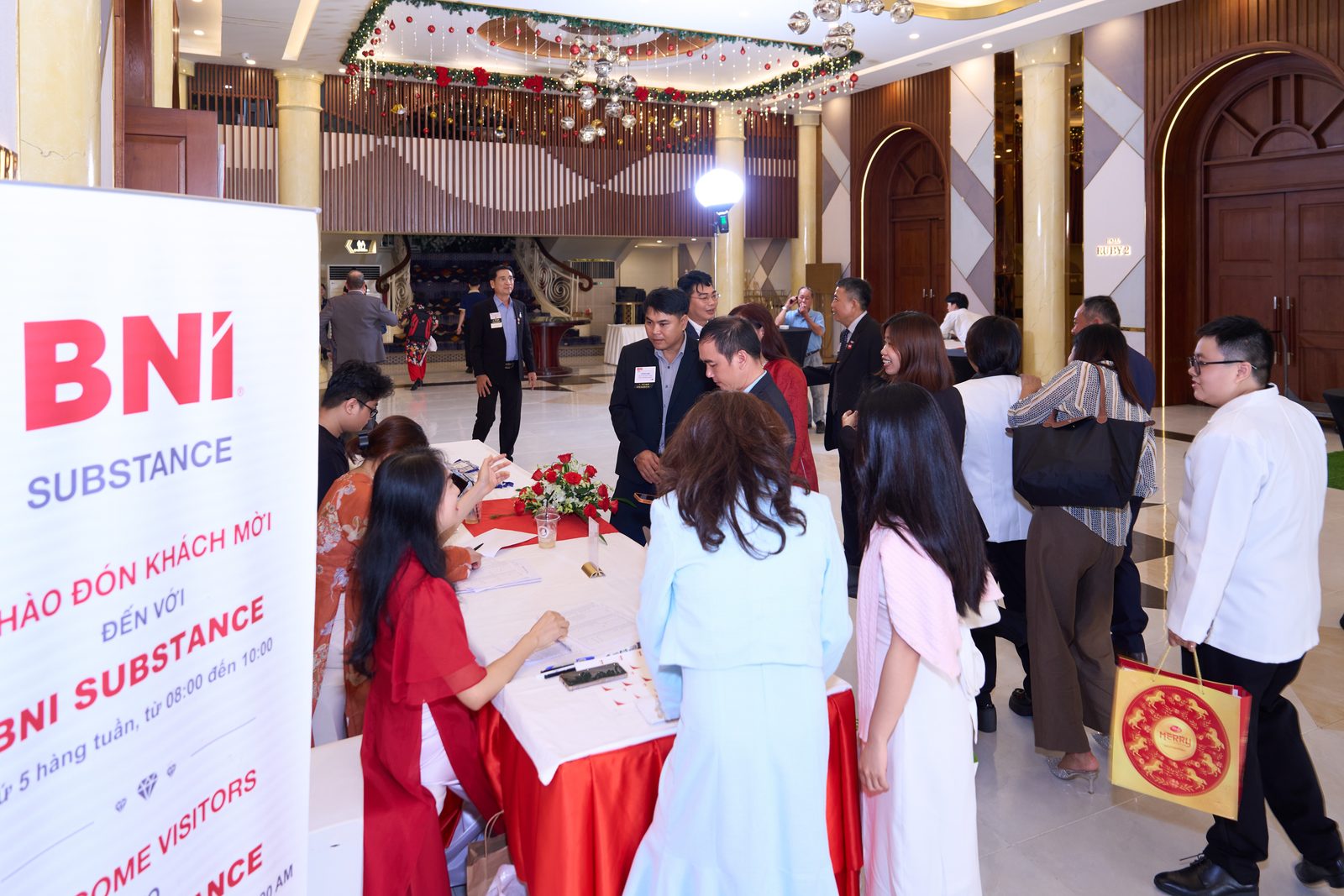
Giao lưu mở và tham quan gian hàng triển lãm
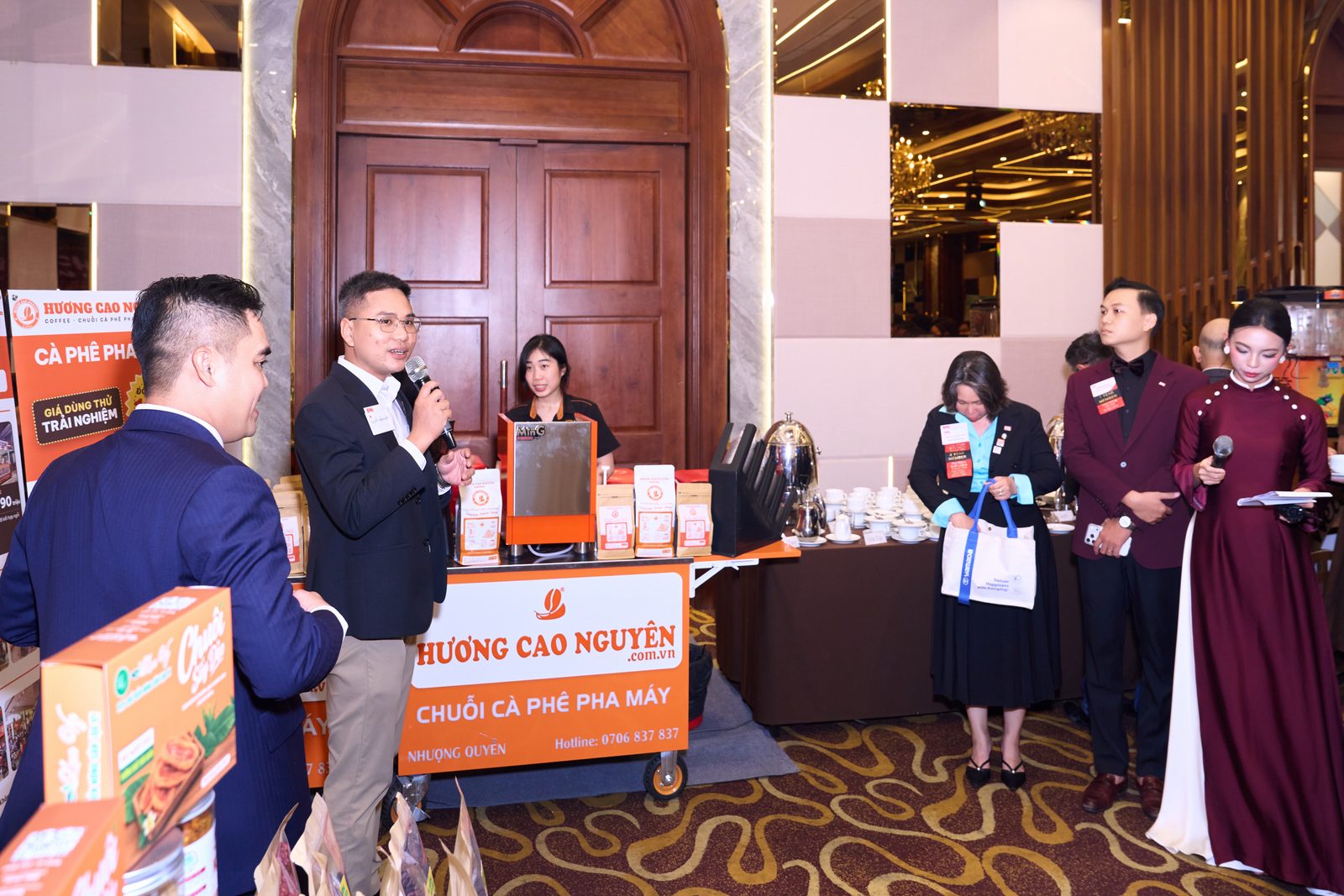
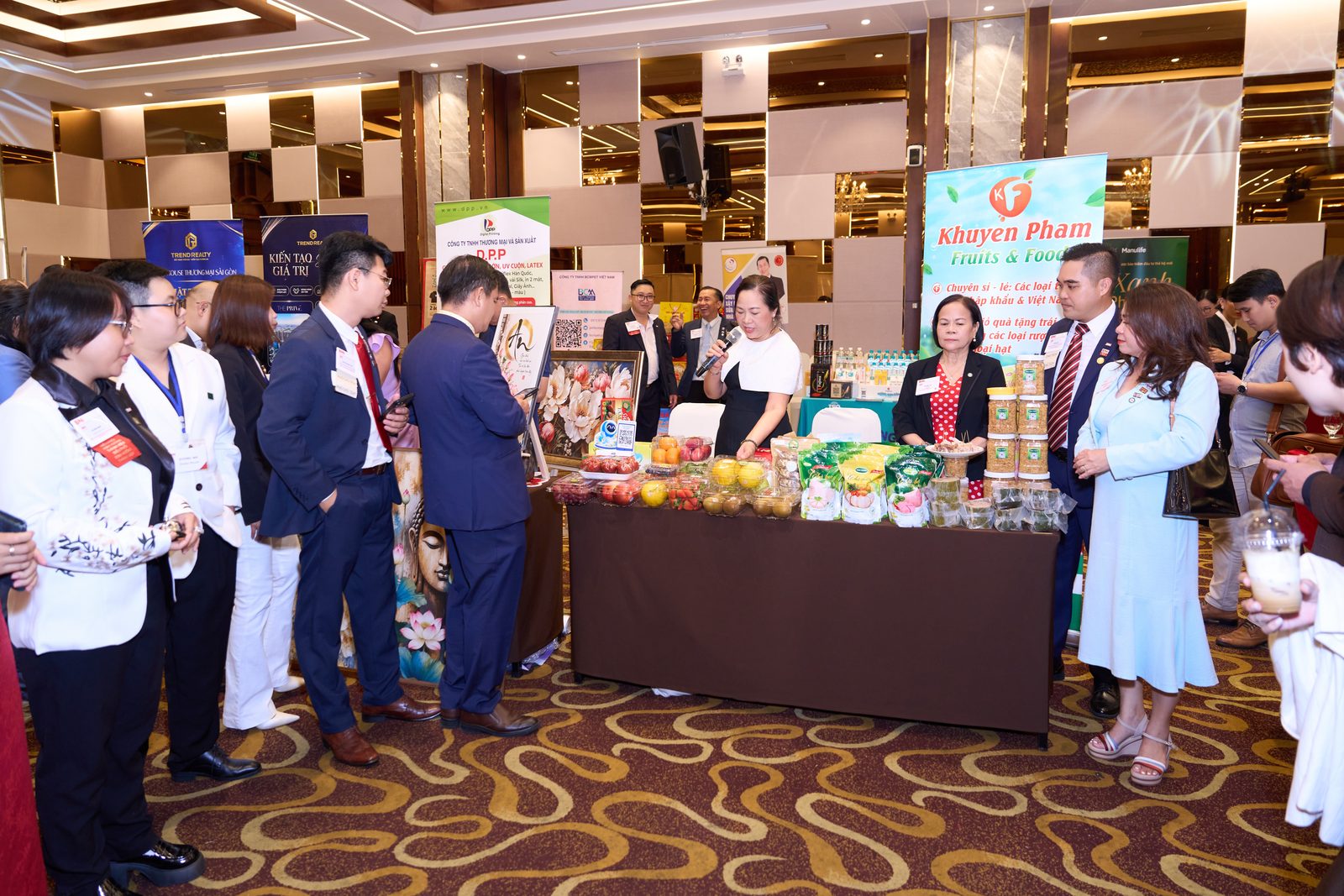
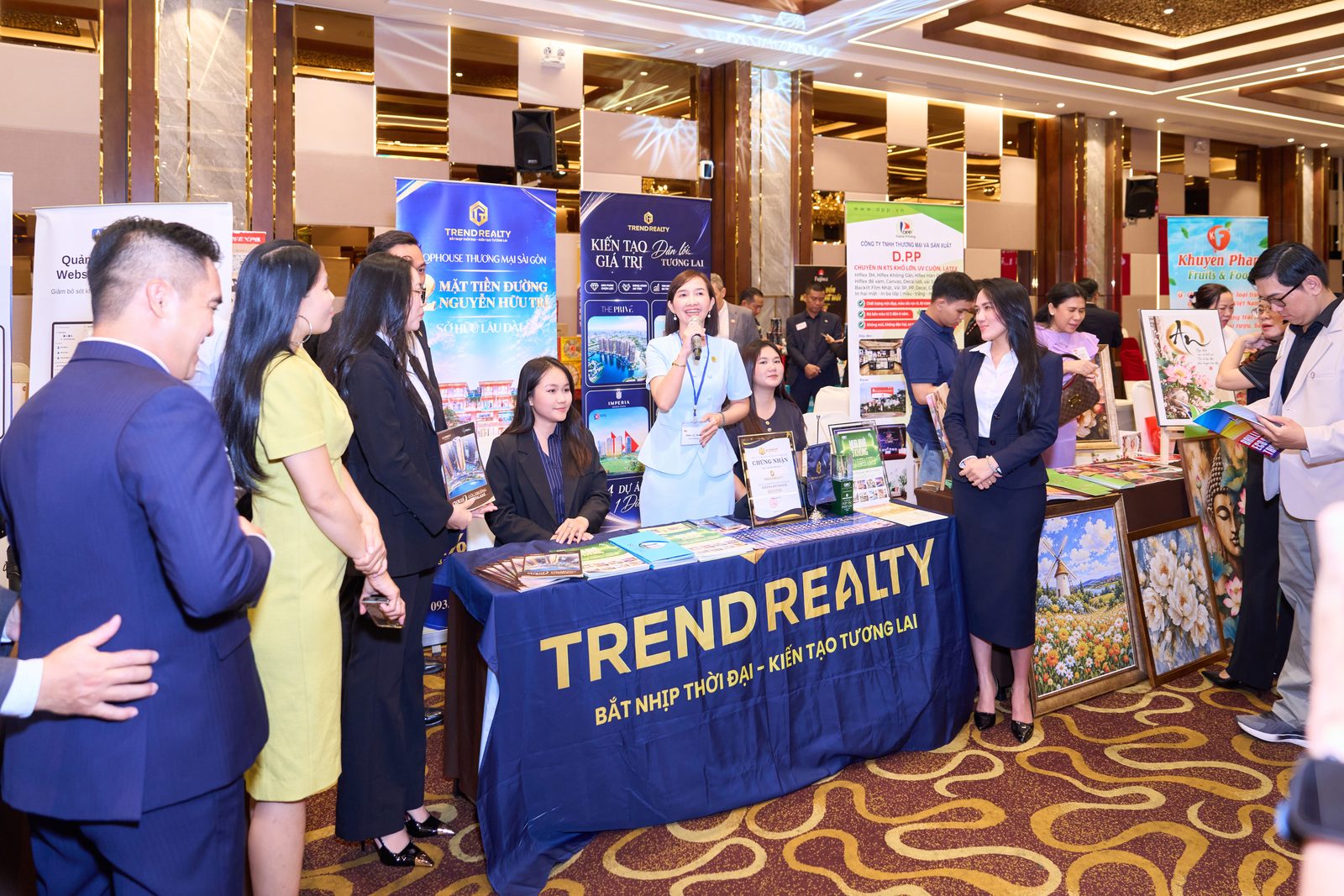
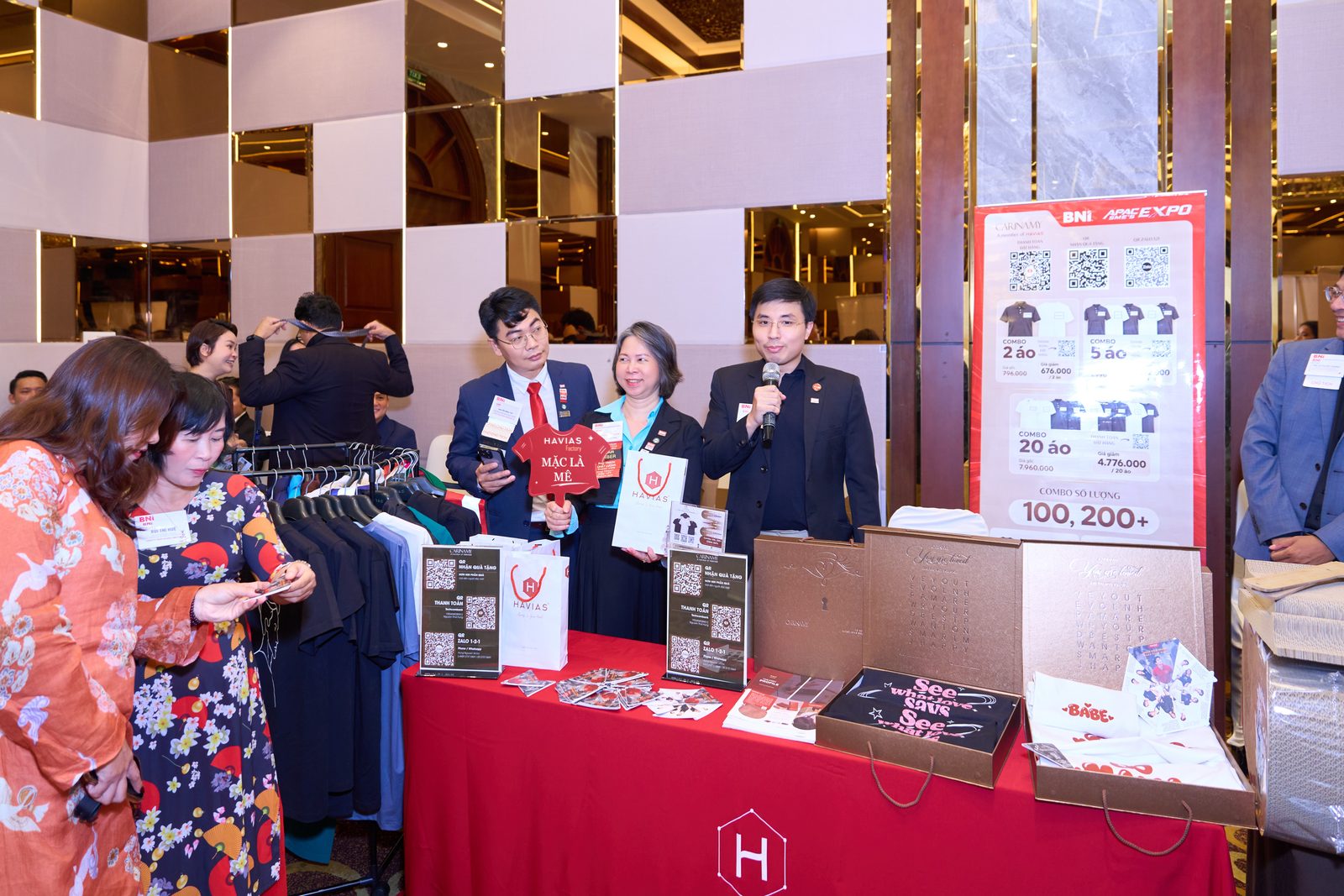
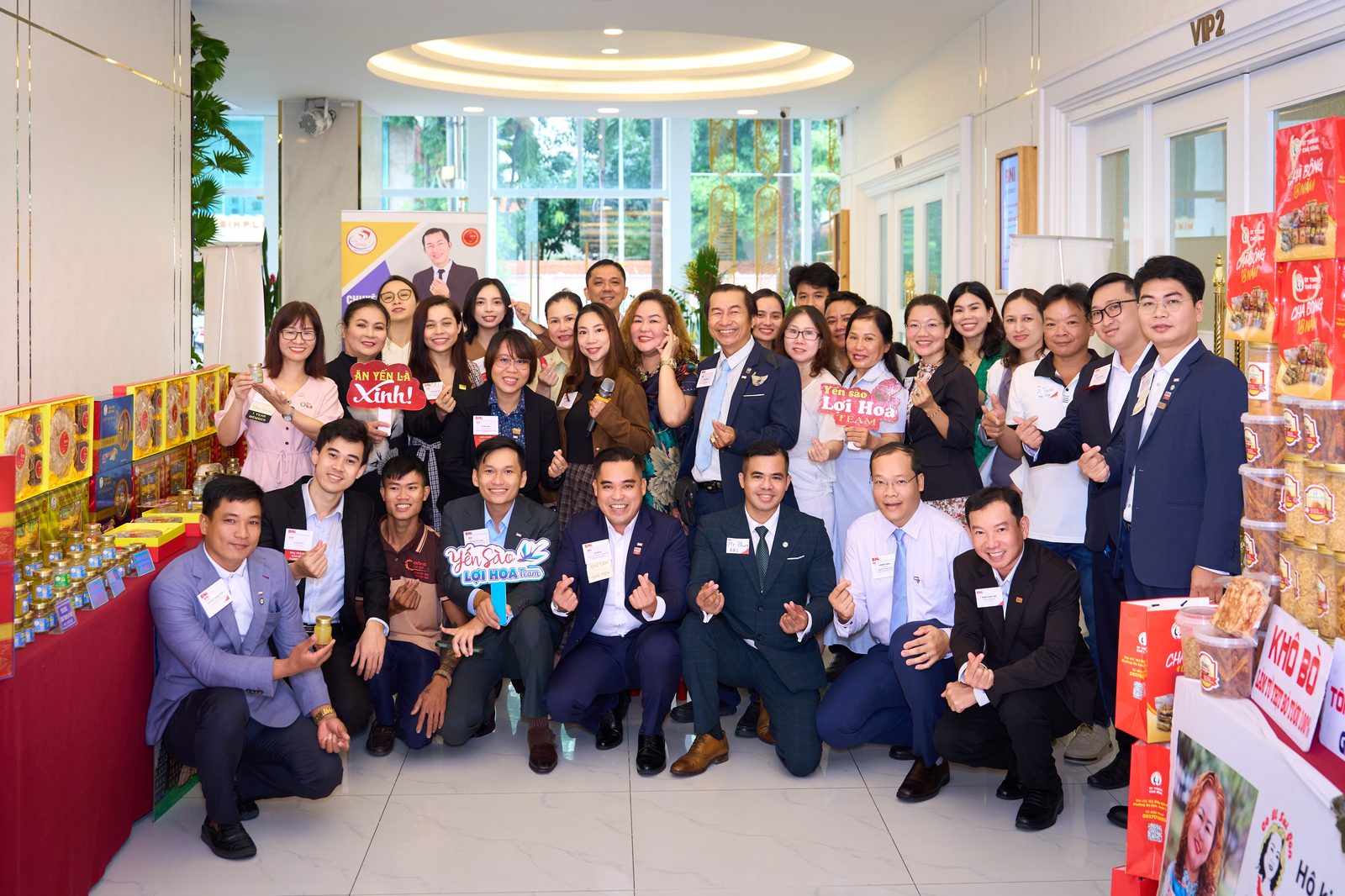
Từ 15h00, khách mời check-in, nhận bảng tên và tự do giao lưu bên tách trà. Điểm đặc biệt của buổi lễ là khu gian hàng triển lãm: cả đoàn đi một vòng, mỗi gian hàng có 30 giây giới thiệu để khách mời tận mắt thấy sản phẩm, dịch vụ mà các doanh nghiệp đang tạo ra mỗi ngày. Bởi kết nối thật bắt đầu từ việc hiểu nhau thật.
15 gian hàng tham gia triển lãm, theo thứ tự đoàn tham quan:
- Hương Cao Nguyên (Công ty TNHH Cà phê Windland): chuỗi cà phê pha máy, cà phê rang xay, nguyên liệu pha chế và nhượng quyền quán cà phê trọn gói
- Trung Nam Mart: đặc sản Tây Bắc, thực phẩm sức khỏe và chất lượng
- Leo Handmade: sản phẩm thủ công, túi và phụ kiện vải
- Golden Mouse: chuỗi nhà thuốc, giải pháp giảm cân không nhịn ăn
- T.A Future (TA Nature): thực phẩm và nông sản tự nhiên
- VN Express: chuyển phát nhanh quốc tế
- Giò chả Minh Thanh: thực phẩm sạch, đặc sản chả gà nướng Huế
- ANTKING Group: hệ điều hành số cho doanh nghiệp với ADO ERP, AOMNICHAT và Knexis
- Trend Realty: bất động sản, “Bắt nhịp thời đại – Kiến tạo tương lai”
- D.P.P Digital Printing: in kỹ thuật số khổ lớn, in UV cuộn, latex, tranh canvas
- Khuyen Pham Fruits & Food: trái cây và thực phẩm quà tặng
- Fujiwa: nước uống ion kiềm pH9 công nghệ Nhật Bản
- Yến sào Lợi Hoa: yến sào và sản phẩm từ yến
- BCM Pet: sản phẩm cho thú cưng
- HAVIAS: may áo đồng phục, quà tặng doanh nghiệp
Khai mạc: nhìn lại một nhiệm kỳ, chào đón hành trình mới
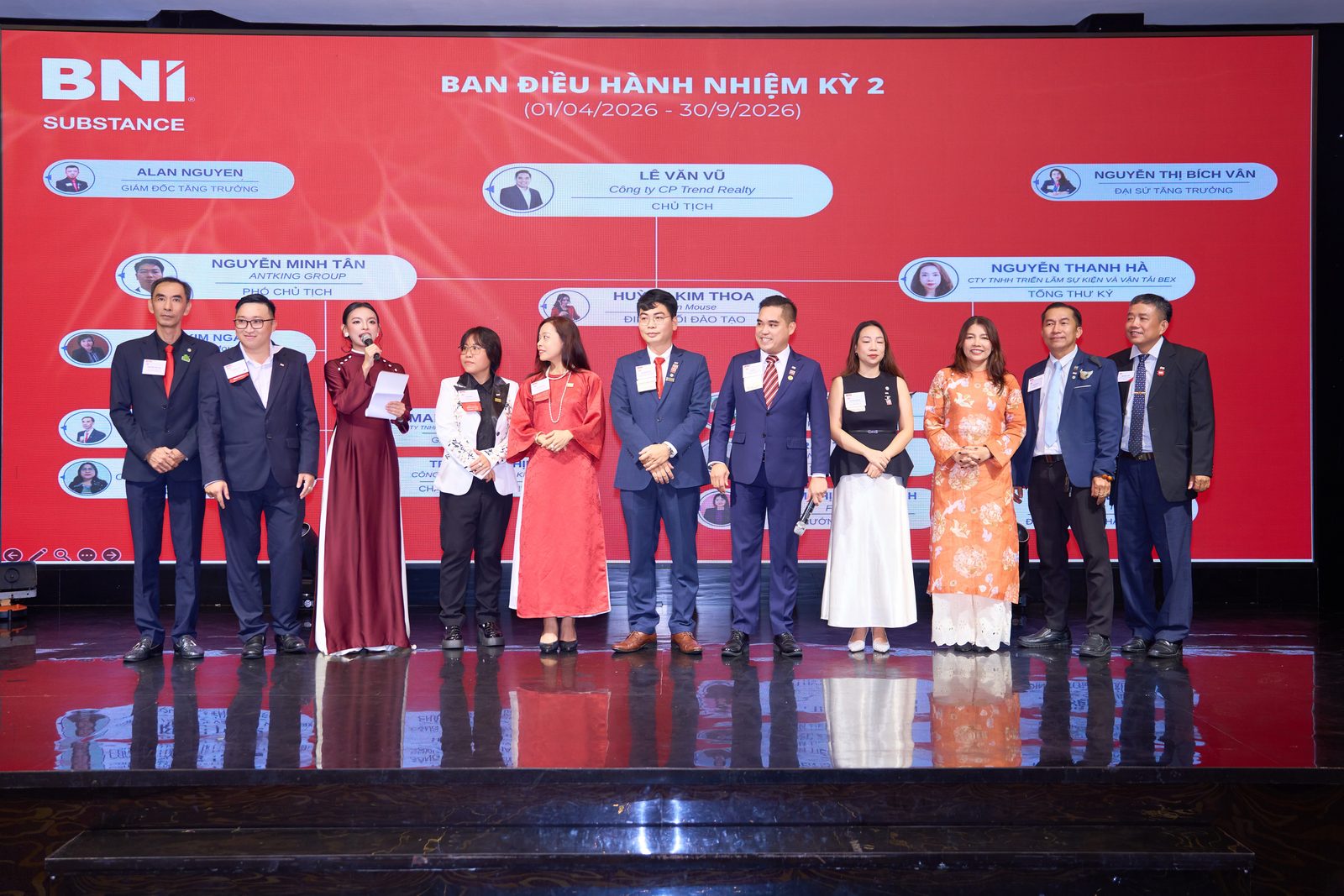
Mở đầu chương trình, Ban Tổ chức trân trọng chào mừng đội ngũ lãnh đạo BNI HCM West và các vùng bạn, cùng Quý Chủ tịch, đại diện các chapter và toàn thể khách mời. Top 4 Ban Lãnh đạo Nhiệm kỳ II gồm Chủ tịch Lê Văn Vũ, Phó Chủ tịch Nguyễn Minh Tân, Tổng Thư ký Nguyễn Thanh Hà và Điều phối Đào tạo Huỳnh Kim Thoa cùng Ban Điều hành ra mắt hội trường. Chủ tịch Lê Văn Vũ sau đó chia sẻ tổng quan về hệ thống BNI toàn cầu và 7 giá trị cốt lõi làm nên văn hóa của mỗi chapter.
Đào tạo: Quan hệ – lợi thế cuối cùng không ai lấy được
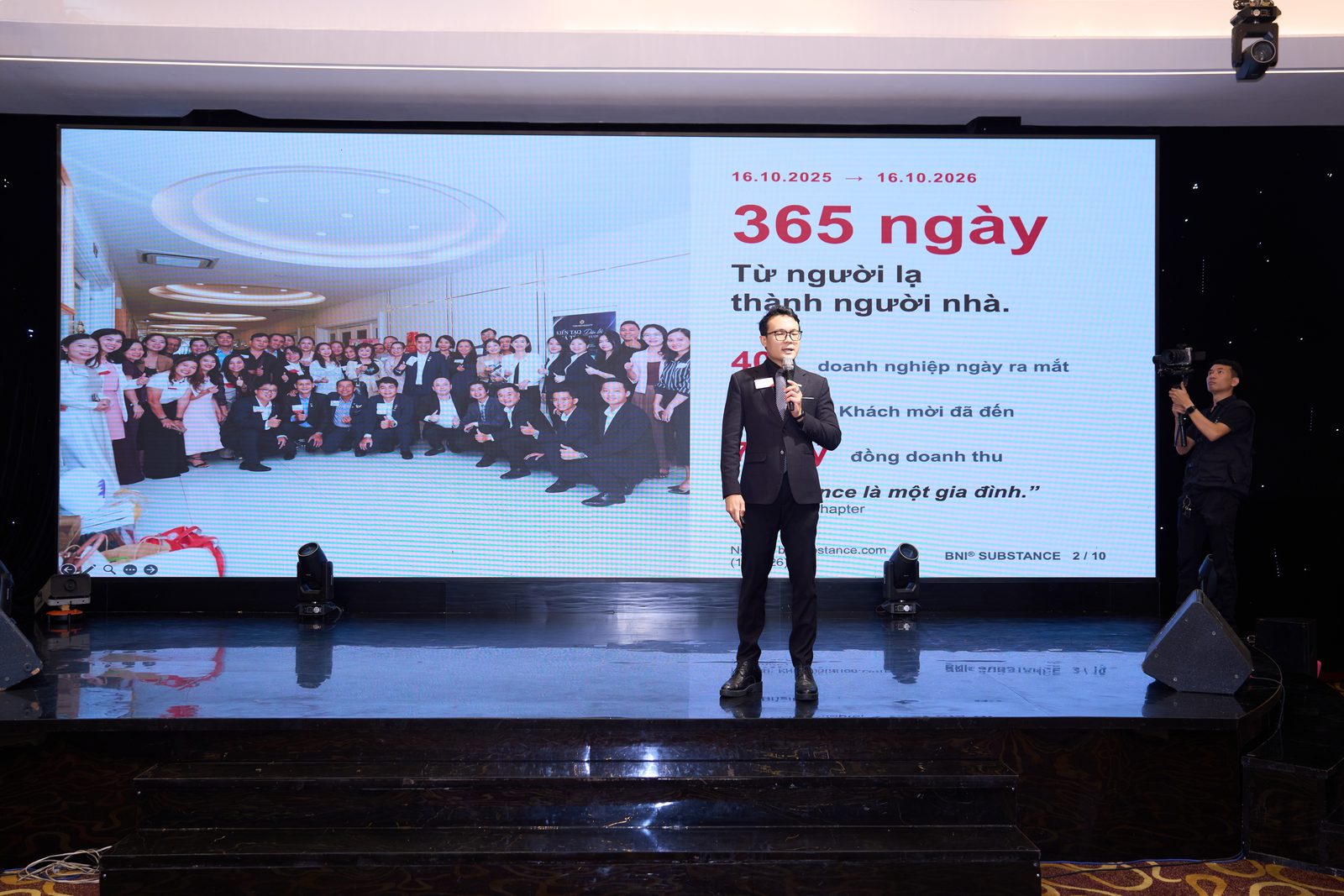
Phần chia sẻ kỹ năng do NCS.TS. Kendrick Trần Anh Khang, Giám đốc Tăng trưởng BNI HCM West, CEO EngoNow Education, trình bày với chủ đề “Relationships: Your Last Unfair Advantage”. Anh mở đầu bằng hành trình 365 ngày của Substance (16.10.2025 → 16.10.2026): từ người lạ thành người nhà, với hơn 40 doanh nghiệp ngày ra mắt, hơn 154 khách mời đã đến và 7,2 tỷ đồng doanh thu trao cho nhau.
Trong thời đại AI, sản phẩm, giá bán, quảng cáo, nội dung hay công nghệ đều dễ sao chép. Thứ duy nhất không thể sao chép là quan hệ tin cậy: có giá trị, hiếm, khó bắt chước và không thể thay thế. Quan hệ đi theo con đường Biết → Tin → Giới thiệu, và tinh thần của Substance là “gieo trồng, không săn bắn”.
Cho năm thứ hai, anh Khang đề xuất ba thói quen cụ thể: trong 24 giờ gửi một lời nhắn riêng, chân thành sau mỗi lần gặp; mỗi tuần một buổi 1-2-1 thật sâu, chuẩn bị bằng GAINS; mỗi tháng cho đi trước một cơ hội kinh doanh. Thông điệp khép lại bài chia sẻ: “AI có thể viết tin nhắn. Chỉ con người mới có thể được tin tưởng.”
Kết nạp thành viên mới và lễ tái gia nhập
BNI Substance hân hoan chào đón hai thành viên mới: anh Nguyễn Thành Luận – Công ty TNHH Cà phê Windland (thương hiệu Hương Cao Nguyên), cung cấp cà phê rang xay, nguyên liệu pha chế và giải pháp nhượng quyền quán cà phê trọn gói; và anh Trương Minh Tình – Công ty TNHH Kỹ thuật Thiết bị TMT, chuyên cung cấp và lắp đặt thiết bị cho ngành ô tô như cầu nâng, thiết bị làm lốp, hệ thống rửa xe tự động và trực tiếp sản xuất phòng sơn ô tô.
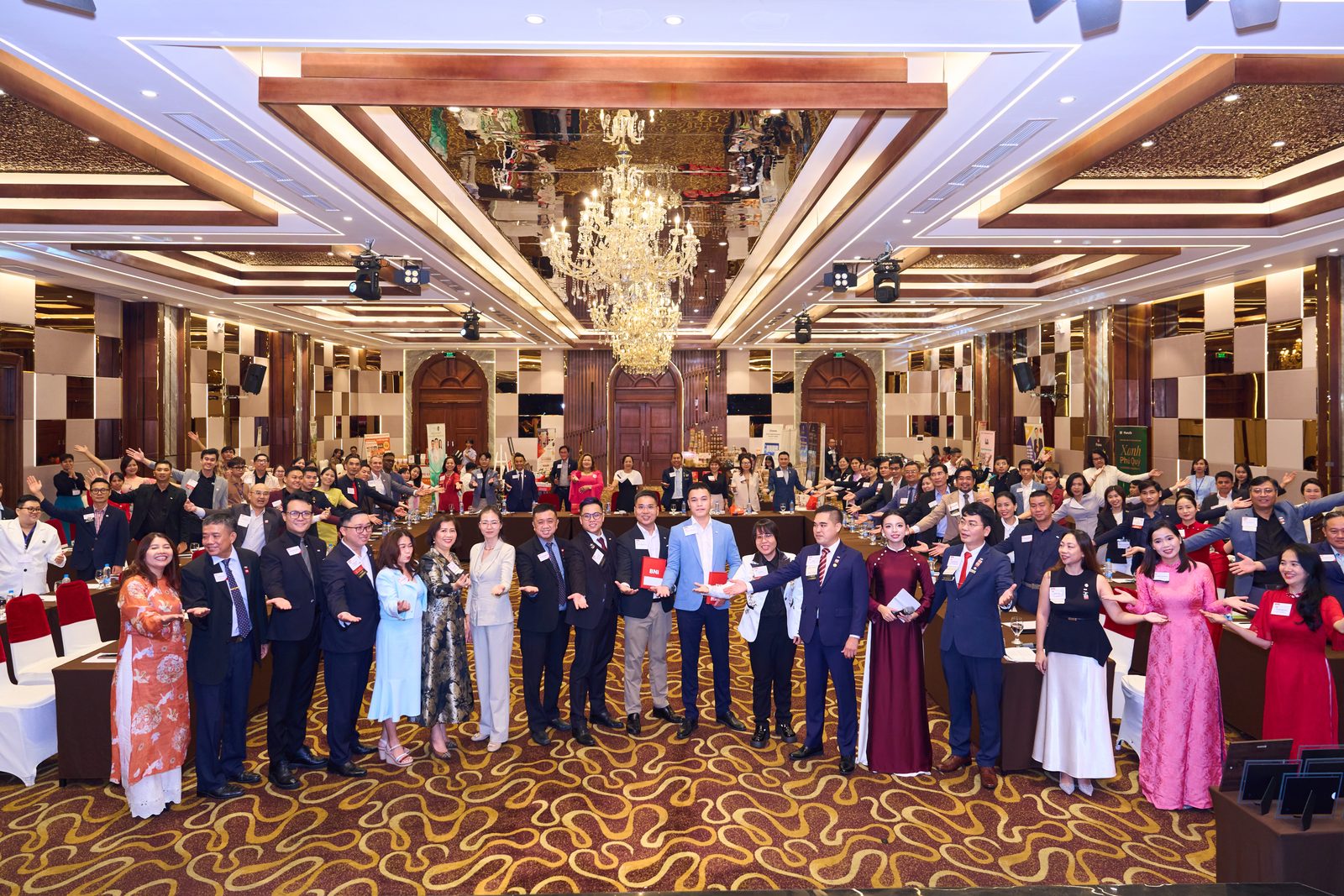
Niềm vui nối tiếp niềm vui với 7 thành viên tái gia nhập, tiếp tục cam kết đồng hành cùng Chapter: Ông Nguyễn Minh Tân (ANTKING Group), Bà Lê Kim Ngân (Golden Mouse), Ông Trần Đức Thịnh (MMS Group), Bà Nguyễn Thị Công (Phun xăm Công Anna), Ông Lê Văn Vũ (Trend Realty), Bà Nguyễn Thị Minh Thư (Manulife Việt Nam) và Ông Vincent Nguyễn (VN Express). Ông Alan Nguyễn, Ông Nguyễn Lê Anh và Bà Nguyễn Thị Bích Vân trao bộ công cụ cho thành viên mới và ribbon cho thành viên tái gia nhập. Toàn hội trường cùng đọc cam kết các quy tắc đạo đức của BNI, đi vòng bắt tay và chụp ảnh chung theo tinh thần One BNI.
20 giây giới thiệu: thành viên và khách mời
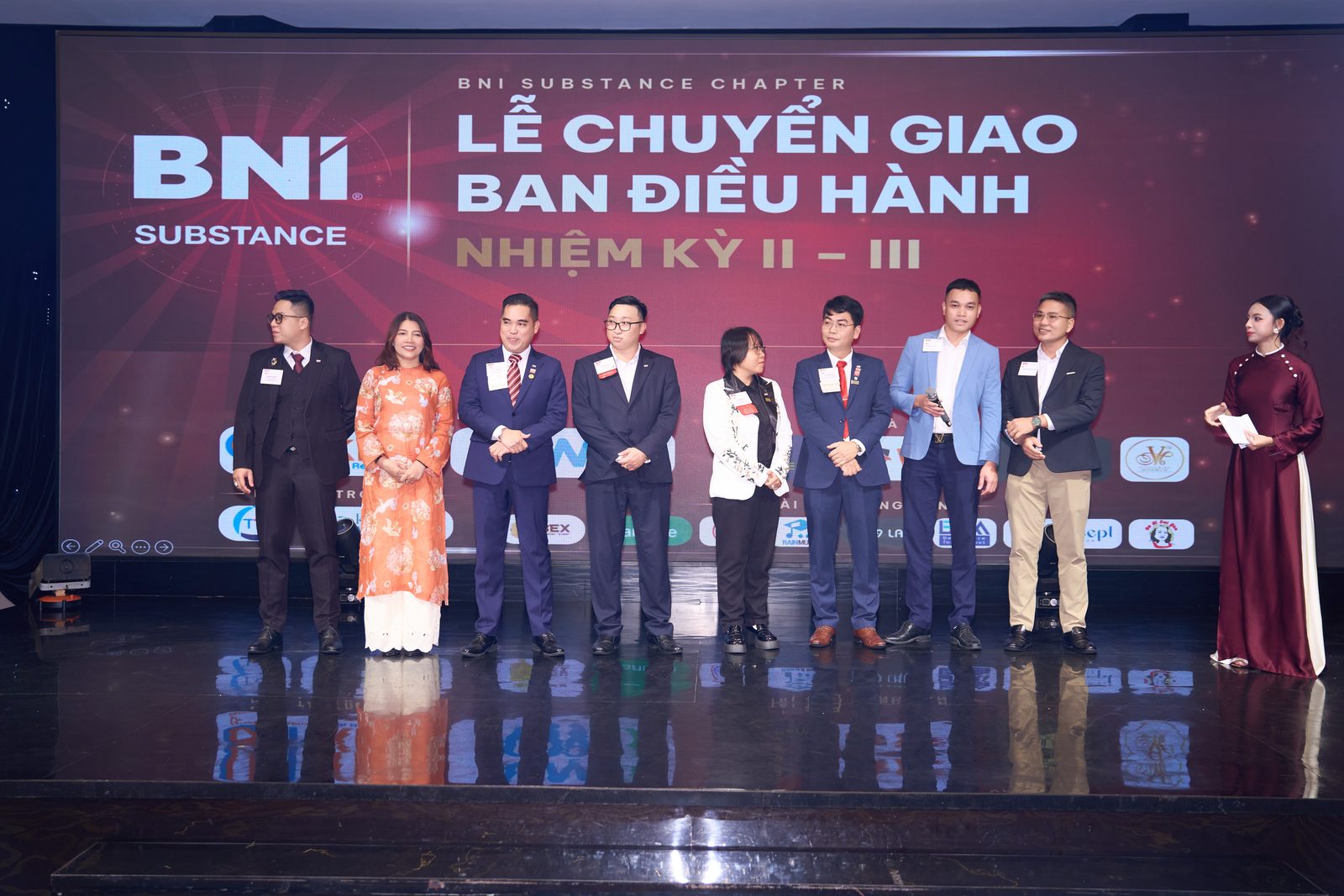
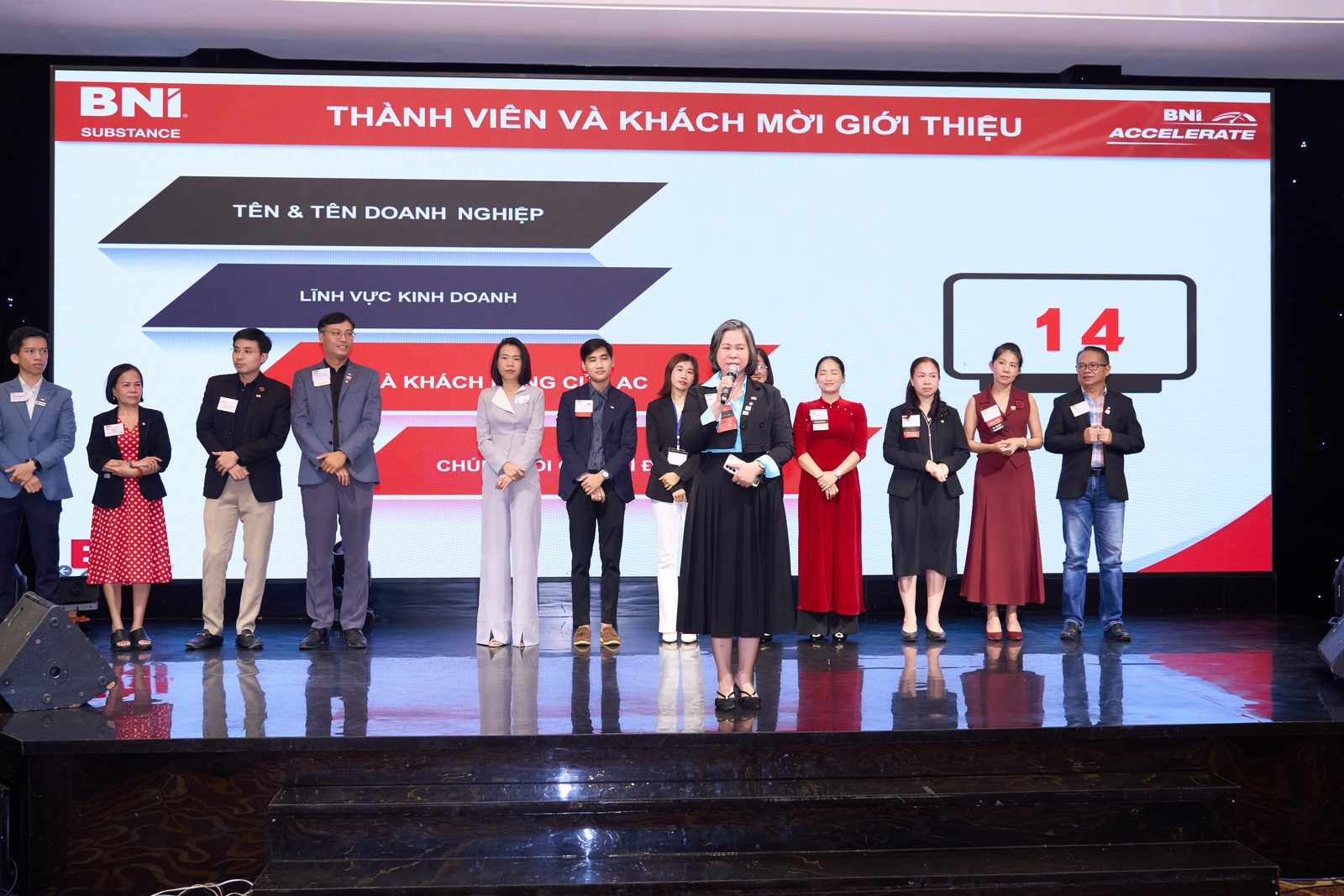
Thành viên và khách mời lần lượt lên sân khấu theo từng nhóm, mỗi người có 20 giây để giới thiệu tên, doanh nghiệp, lĩnh vực và điều mình đang tìm kiếm trong kết nối kinh doanh. Chỉ 20 giây, nhưng đủ để mở ra những cuộc hẹn 1-2-1 sau buổi lễ.
Showcase Nhà tài trợ Kim cương: Từ Marketing tăng trưởng đến Hệ điều hành số
Điểm nhấn chuyên môn của buổi lễ là phần showcase của hai Nhà tài trợ Kim cương với chủ đề “Từ Marketing tăng trưởng đến Hệ điều hành số – Thu hút khách hàng, Chuyển đổi cơ hội, Vận hành tăng trưởng”.
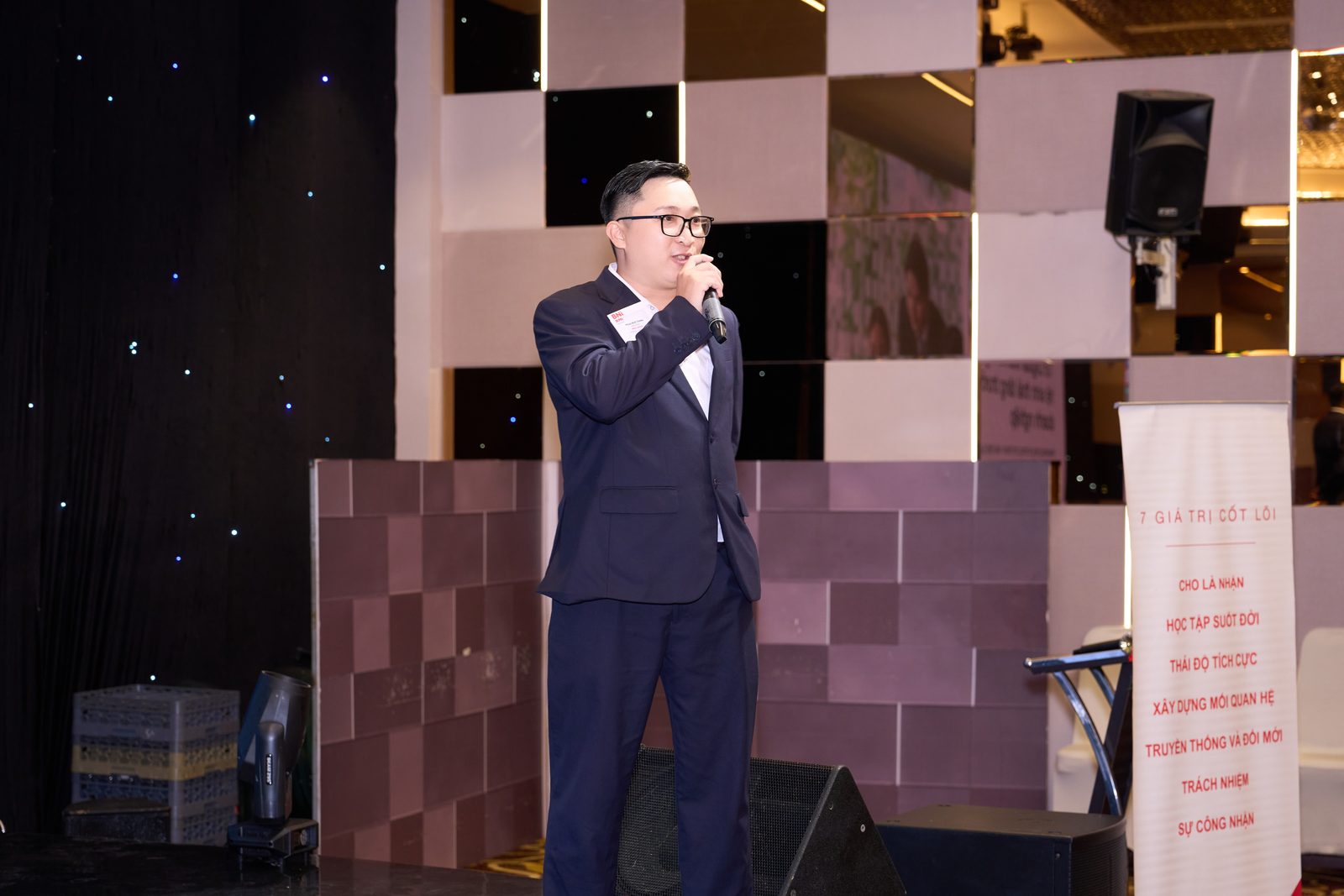
Mr. Trần Đức Thịnh – Chủ tịch MMS Group đặt câu hỏi: doanh nghiệp đang mất tiền ở đâu? Quảng cáo tốn tiền nhưng chưa chắc có khách thật, website có traffic nhưng ít đơn, dữ liệu rời rạc nên không biết nguồn nào tạo doanh thu, và lead về nhưng chăm sóc không kịp. Theo anh, doanh nghiệp không thiếu nỗ lực marketing mà thiếu một hệ thống được kết nối từ tìm kiếm đến doanh thu. Anh minh họa bằng case SEO cho Hương Cao Nguyên với hơn 24.000 lượt hiển thị, 1.160 lượt click, và các chiến dịch Google Ads được tối ưu theo chuyển đổi.
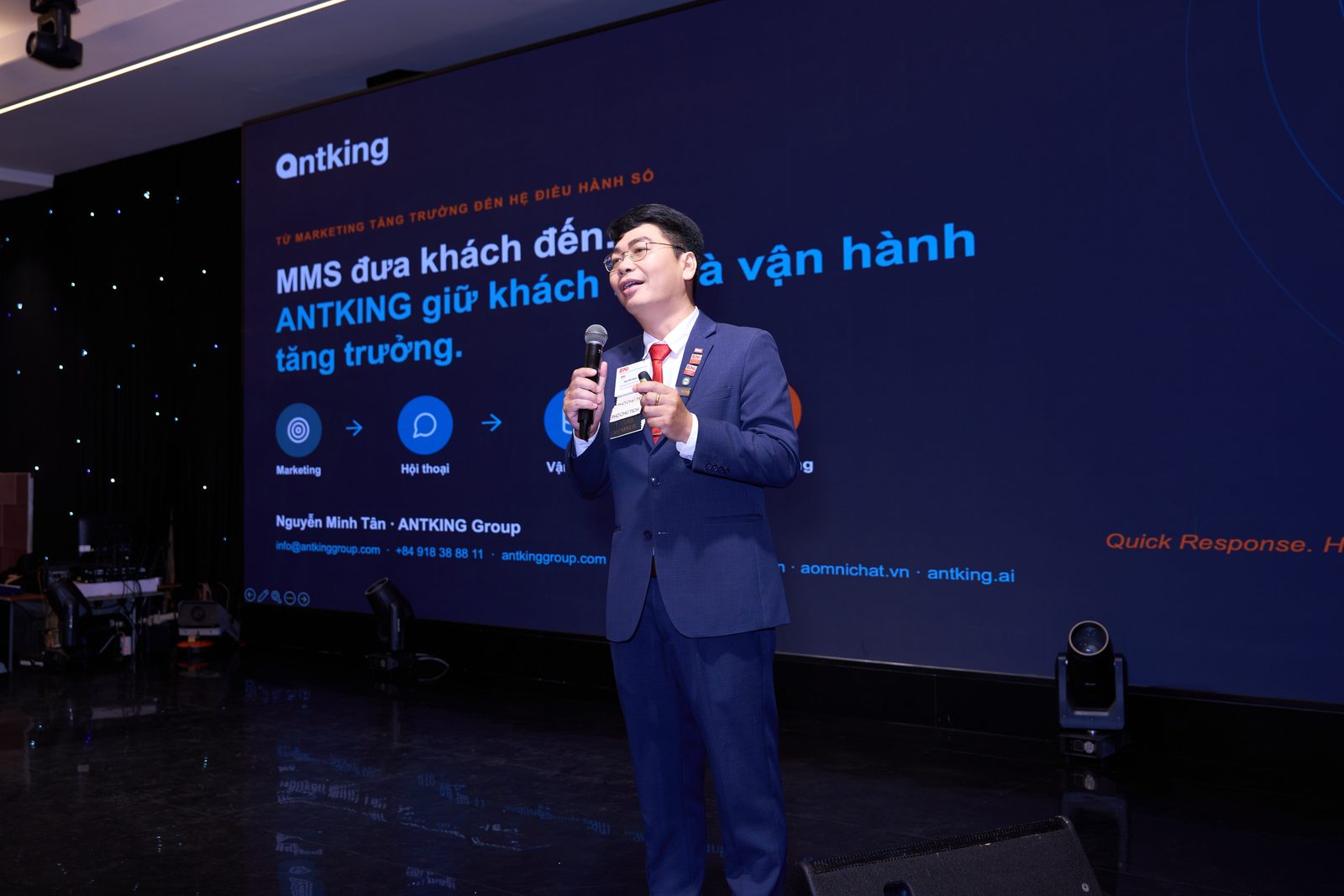
Tiếp nối, Mr. Nguyễn Minh Tân – Chủ tịch ANTKING Group trả lời câu hỏi “Marketing đưa khách đến. Rồi sao nữa?”. Sau khi lead về, doanh nghiệp thường để rơi khách và tiền ở bốn chỗ: hội thoại rải rác trên Zalo, Facebook của từng nhân viên; bán hàng trên Excel; kho và kế toán lệch số; chủ doanh nghiệp thiếu số liệu. Lời giải là một hệ điều hành số: một dữ liệu, một quy trình, một màn hình điều hành, với hệ sinh thái AOMNICHAT (gom tin nhắn Zalo, Facebook, Website về một nơi), ADO ERP (bán hàng, kho, kế toán khớp số, hơn 30 phân hệ đã chạy thực tế), nơi làm việc số với email theo tên miền, cùng AI và tự động hóa cho đội ngũ.
Hai phần trình bày khép lại bằng một thông điệp chung: “MMS đưa khách đến. ANTKING giữ khách lại và vận hành tăng trưởng.”
Khi nào nên giới thiệu khách cho hai nhà tài trợ?
- MMS Group: khi nghe khách nói “Anh chạy Ads nhiều mà khách không ổn định”, “Website có nhưng chẳng ra khách”, “Marketing làm nhiều nhưng không biết cái nào tạo doanh thu”.
- ANTKING Group: khi nghe “Tin nhắn khách nằm rải rác trên mấy cái Zalo của nhân viên”, “Nhân viên nghỉ là mang luôn khách đi”, “Cuối tháng mới biết lời lỗ, số kho không khớp”, “Công ty đang quản lý bằng Excel, Zalo, sổ tay”.
Lễ chuyển giao: những con số của Nhiệm kỳ II
Phần lễ chuyển giao mở đầu bằng thước phim nhìn lại một năm đầu tiên của gia đình Substance. Phó Chủ tịch Nguyễn Minh Tân sau đó trình bày báo cáo kết quả hoạt động Nhiệm kỳ II (01/04 – 30/09/2026):
- 457 lượt referral
- 808 lượt 1-2-1
- 1.044 CEU
- 115 khách mời
- 3.512.710.600 đồng tổng giá trị TYFCB
- 84% tỷ lệ hiện diện
Vinh danh thành viên xuất sắc Nhiệm kỳ II
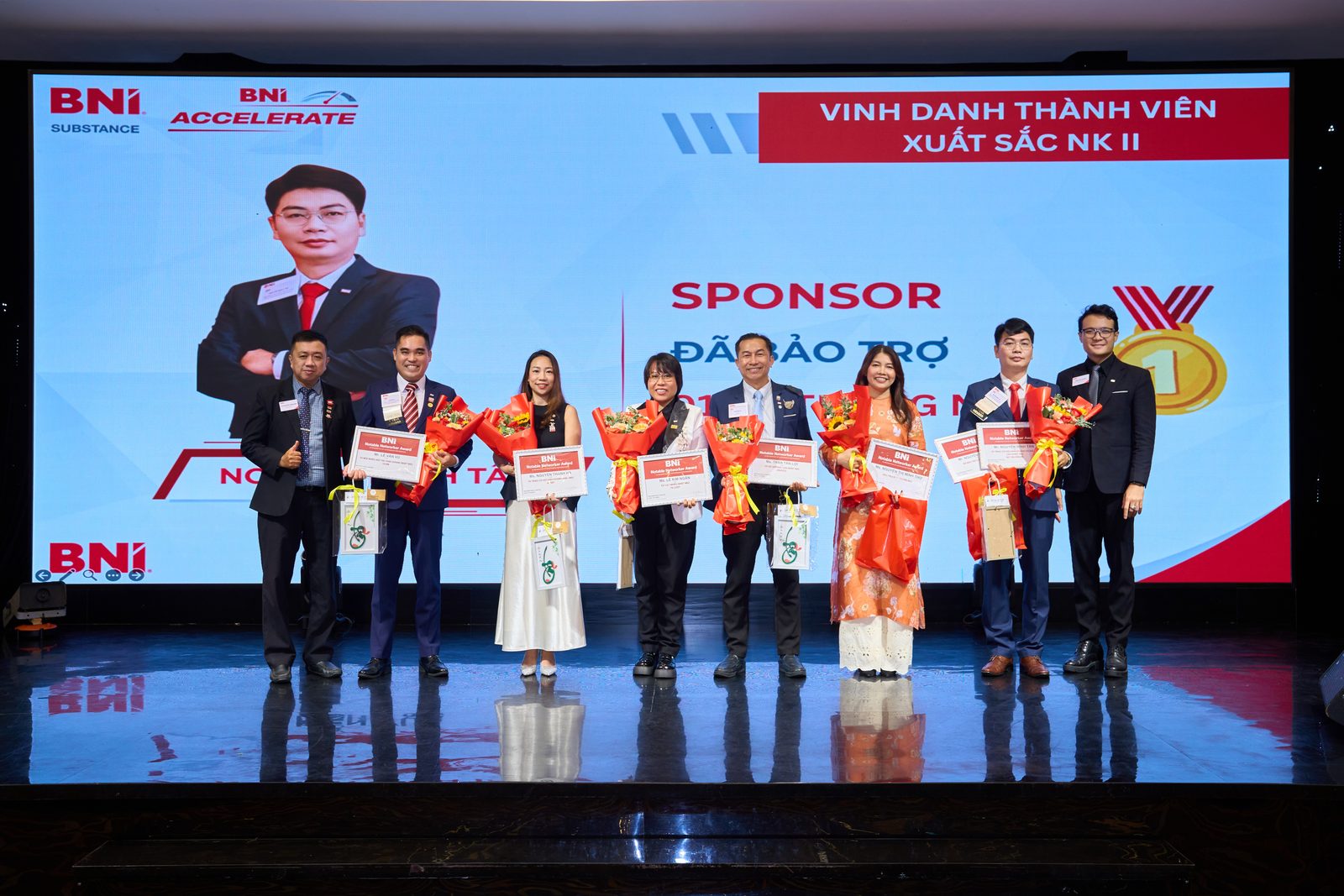
- 1-2-1 nhiều nhất (74 lượt): Bà Lê Kim Ngân – Golden Mouse
- CEU nhiều nhất (259 CEU): Ông Trần Tấn Lợi – Yến sào Lợi Hoa
- Referral nhiều nhất (41 referral): Bà Nguyễn Thanh Hà – Công ty Bex
- Khách mời nhiều nhất (15 khách mời): Ông Lê Văn Vũ – Trend Realty
- TYFCB cao nhất (421.186.000 đồng): Ông Nguyễn Minh Tân – ANTKING Group
- Sponsor – bảo trợ thành viên mới: Bà Nguyễn Thị Minh Thư – Manulife Việt Nam và Ông Nguyễn Minh Tân
Giám đốc Tăng trưởng BNI HCM West Kendrick Trần Anh Khang trao giấy chứng nhận cho các thành viên được vinh danh.
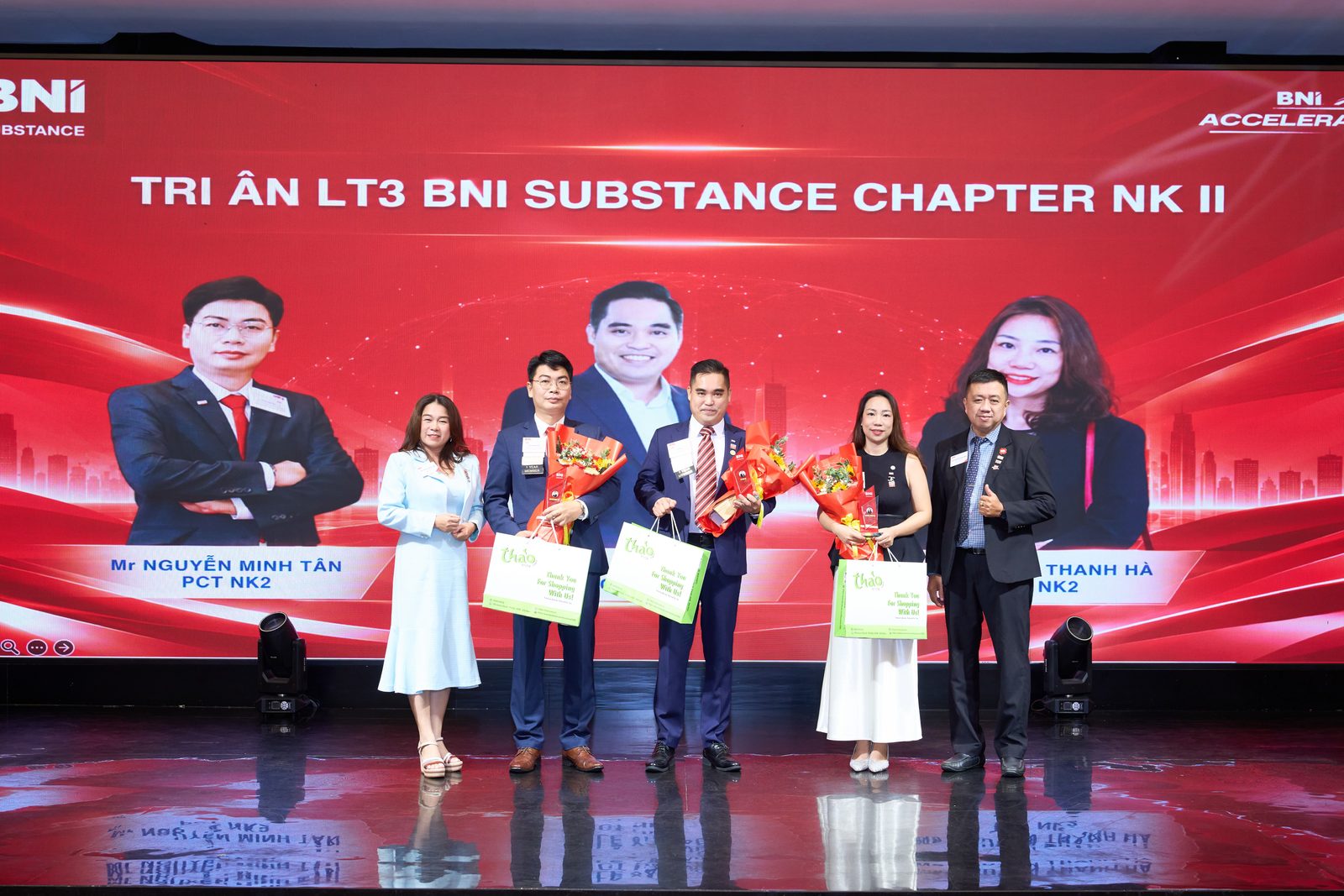
Tri ân những người đã dẫn dắt Chapter
Chapter gửi lời tri ân đến LT3 Nhiệm kỳ II (Chủ tịch Lê Văn Vũ, Phó Chủ tịch Nguyễn Minh Tân, Tổng Thư ký Nguyễn Thanh Hà), toàn thể Ban Điều hành Nhiệm kỳ II, ba Trưởng team (Nguyễn Thị Minh Thư – Sức khỏe & Sắc đẹp, Vincent Nguyễn – Hỗ trợ doanh nghiệp, Mai Thị Nhật Sang – Xây dựng & Sản xuất) và đội ngũ hỗ trợ gồm Bà Kara Hang Le, Ông Alan Nguyễn và Bà Nguyễn Thị Bích Vân.
Ra mắt Ban Điều hành Nhiệm kỳ III
Giám đốc Tăng trưởng Chapter Alan Nguyễn đọc Quyết định bổ nhiệm Ban Lãnh đạo Nhiệm kỳ III (01/10/2026 – 31/03/2027): Chủ tịch Nguyễn Minh Tân (ANTKING Group), Phó Chủ tịch Lê Kim Ngân (Golden Mouse) và Tổng Thư ký Trần Đức Thịnh (MMS Group).
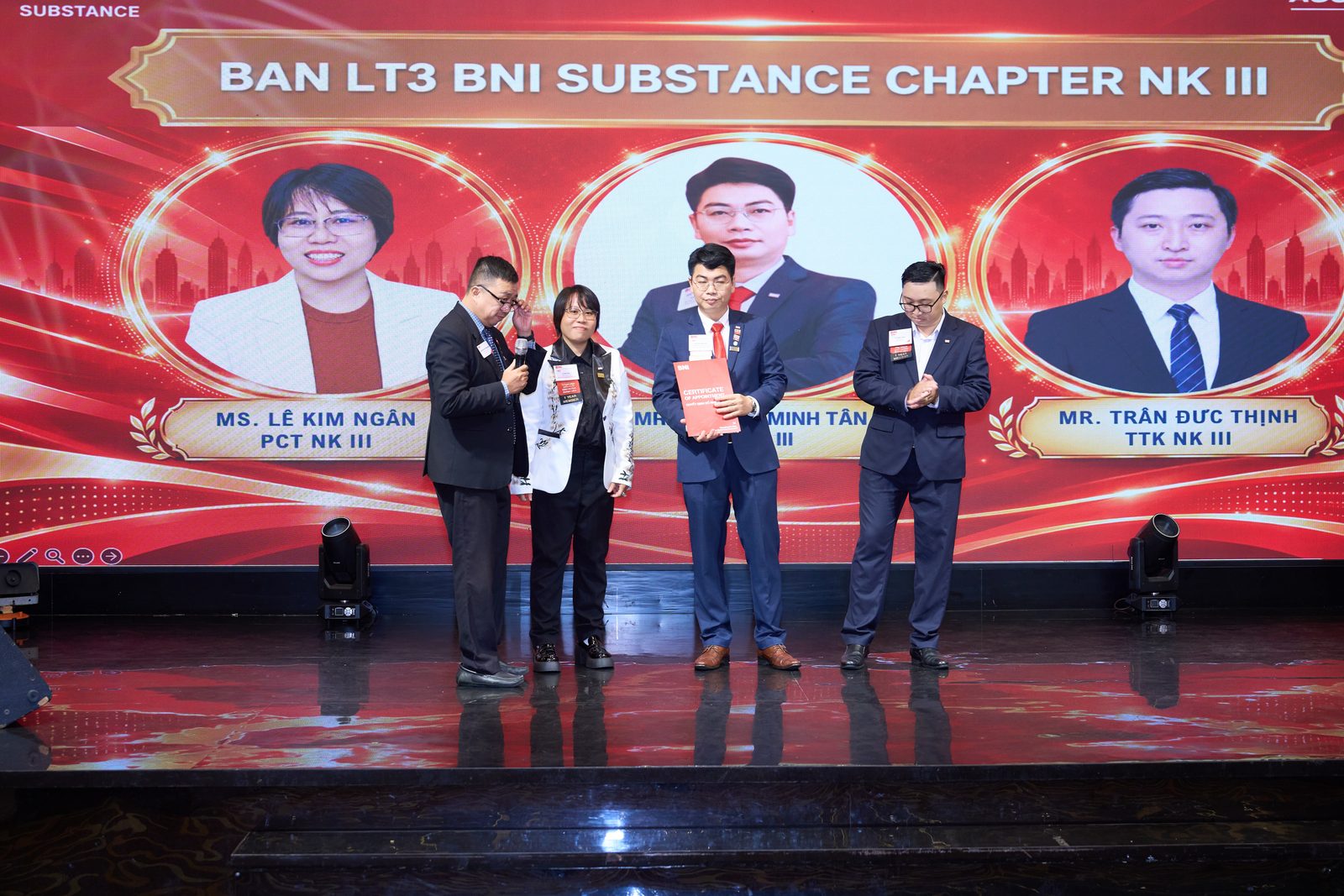
Tân Chủ tịch giới thiệu các vị trí trong Ban Điều hành Nhiệm kỳ III:
- Điều phối Đào tạo: Mai Thị Nhật Sang
- Định hướng thành viên: Huỳnh Kim Thoa
- Xây dựng Chapter: Nguyễn Lê Anh
- Chất lượng thành viên: Nguyễn Nhật Thanh Nguyên
- Mối quan hệ thành viên: Nguyễn Thị Bích Chung
- Gắn kết thành viên: Nguyễn Thị Diệp
- Điều phối khách mời: Lê Văn Vũ
- Hỗ trợ khách mời: Nguyễn Thị Công
- Đón tiếp khách mời: Trần Tấn Lợi, Nguyễn Thị Minh Thư, Vincent Nguyễn
- Định hướng khách mời: Nguyễn Lê Anh
- Giám đốc Tăng trưởng: Alan Nguyen · Đại sứ Tăng trưởng: Nguyễn Thị Bích Vân
Tân Chủ tịch phát biểu nhận nhiệm vụ
Phát biểu nhận nhiệm vụ, Chủ tịch Nguyễn Minh Tân cảm ơn sự tin tưởng của Ban Lãnh đạo BNI và toàn thể anh chị em Substance. Sau hai nhiệm kỳ đồng hành trên cương vị Phó Chủ tịch, anh chia sẻ: “Sức mạnh của một Chapter không nằm ở một cá nhân, mà nằm ở sự đoàn kết, niềm tin và tinh thần cùng nhau phát triển.”
Bước vào Nhiệm kỳ III, anh mong muốn cùng Ban Điều hành và toàn thể thành viên xây dựng Substance trở thành một Chapter:
- KỶ LUẬT trong hành động
- GẮN KẾT trong quan hệ
- HIỆU QUẢ trong kinh doanh
“Tôi tin rằng, khi mỗi thành viên thành công, Substance sẽ thành công!”
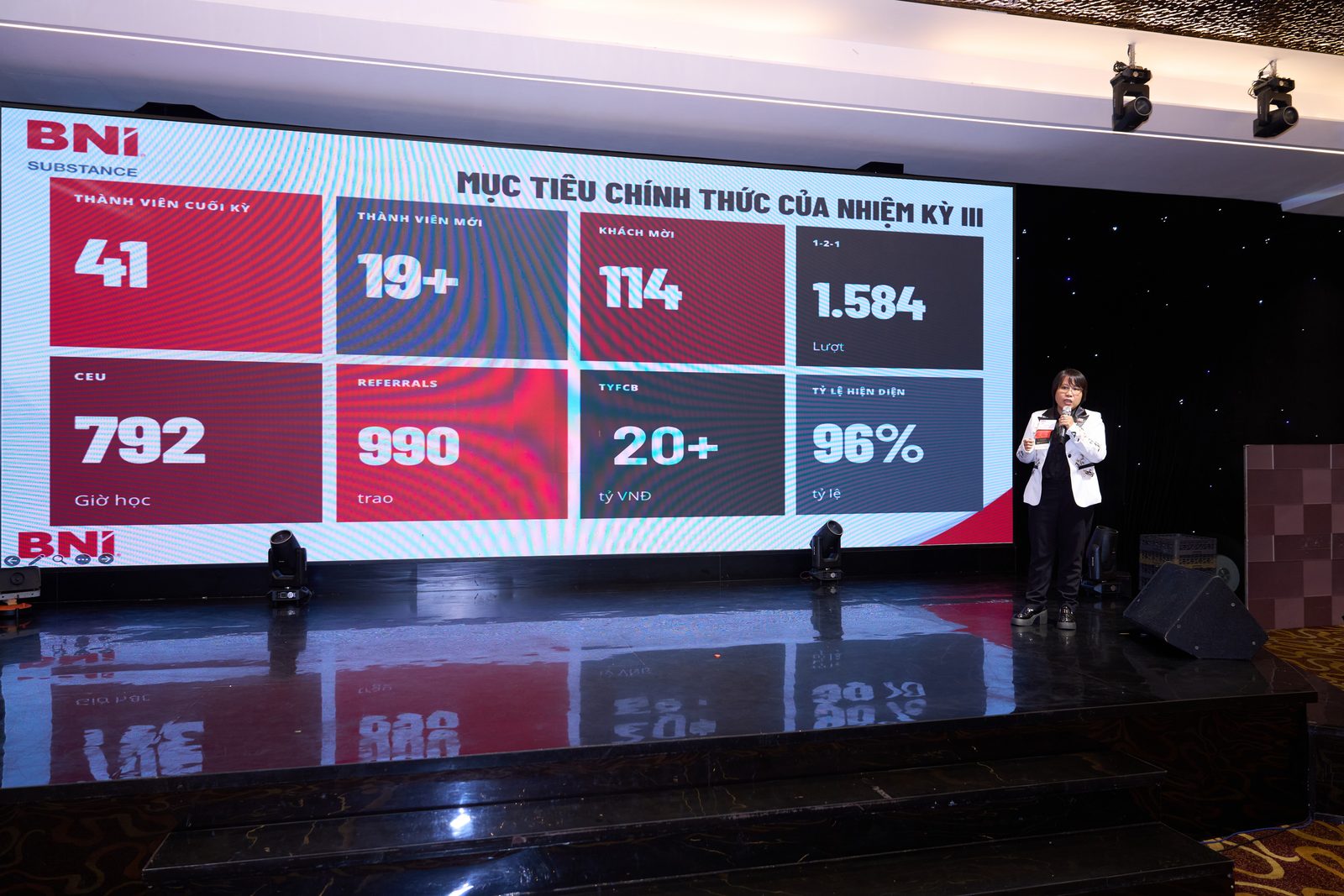
Mục tiêu chính thức của Nhiệm kỳ III
Phó Chủ tịch Lê Kim Ngân công bố mục tiêu của Nhiệm kỳ III:
- 41 thành viên cuối kỳ, 19+ thành viên mới
- 114 khách mời
- 1.584 lượt 1-2-1
- 792 giờ học CEU
- 990 referral
- 20+ tỷ đồng TYFCB
- 96% tỷ lệ hiện diện
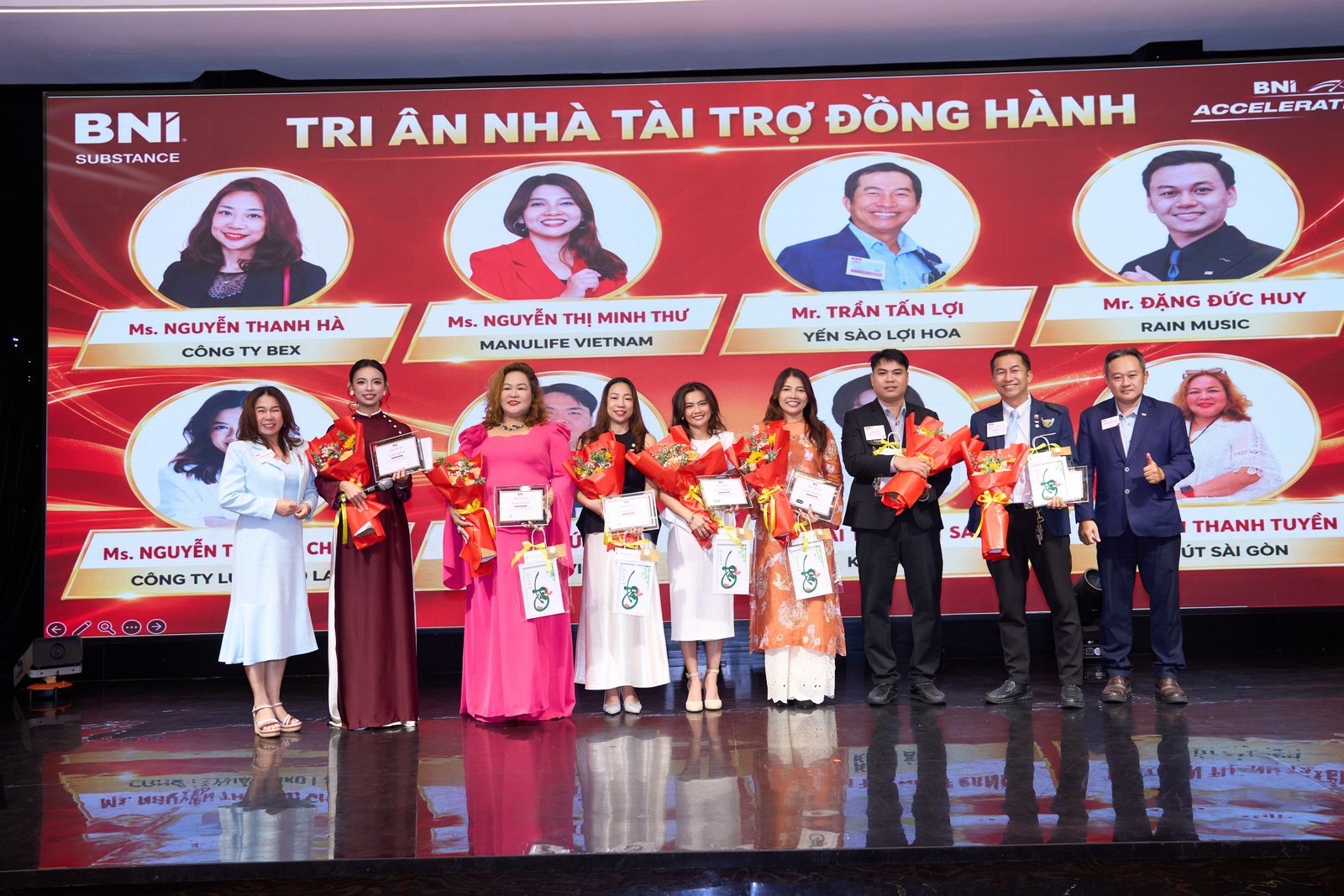
Tri ân các nhà tài trợ
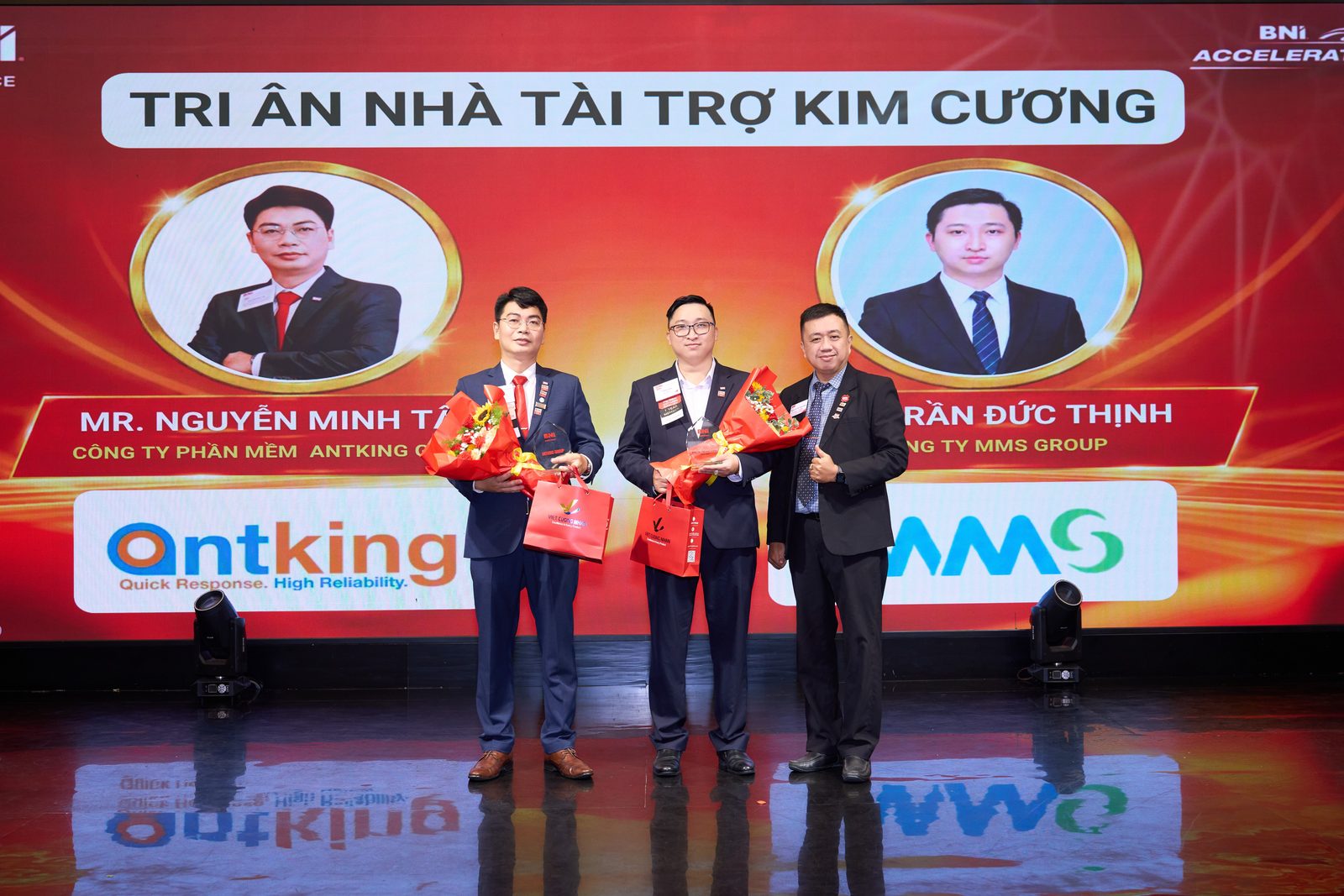
BNI Substance Chapter trân trọng cảm ơn các doanh nghiệp đã đồng hành cùng sự kiện:
- Nhà tài trợ Kim cương: ANTKING Group, MMS Group
- Nhà tài trợ Vàng: Trend Realty, VN Express, Golden Mouse, Vũ Mẫn Quilling
- Nhà tài trợ Bạc: Nha khoa Vic’s, Công ty T.A
- Nhà tài trợ Đồng hành: Công ty Bex, Manulife Việt Nam, Yến sào Lợi Hoa, Rain Music, Công ty Luật 1989 Law, BCM Pet, KA Concept và Ms. Trần Thanh Tuyền
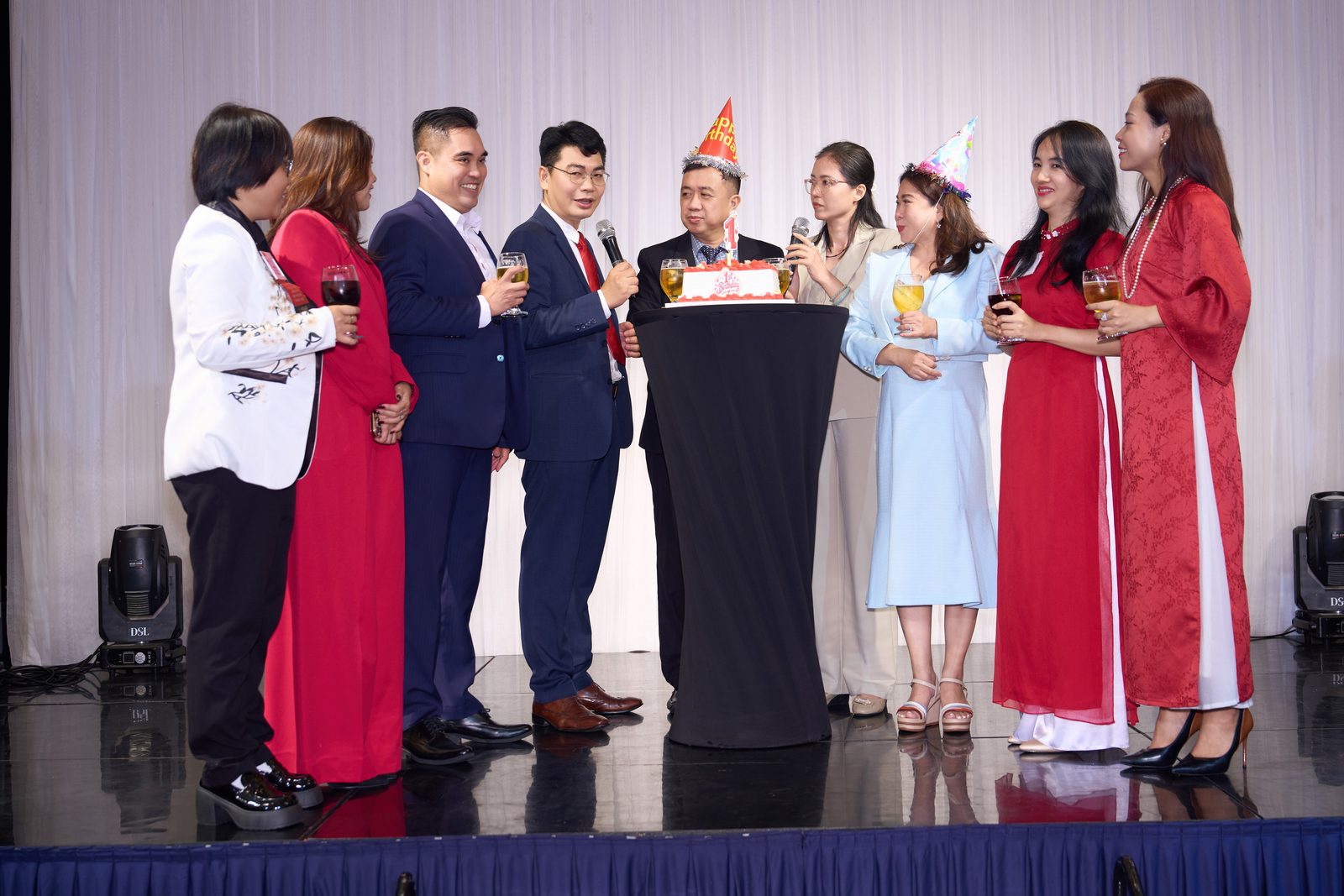
Sinh nhật 01 năm: từ người lạ thành người nhà
Khép lại phần lễ, thành viên và khách mời cùng chuyển sang Tiệc Kỷ niệm 01 năm thành lập BNI Substance Chapter. Ban Lãnh đạo cùng thành viên cắt bánh, nâng ly chúc mừng tuổi lên một của Chapter, trong không khí ấm áp của một gia đình đã cùng nhau đi qua 365 ngày kết nối.
Cho là nhận: bước vào năm thứ hai
Một năm qua, BNI Substance đã chứng minh rằng tinh thần Givers Gain® – Cho là nhận tạo ra kết quả thật: những referral, những hợp đồng và những mối quan hệ tin cậy. Với Ban Điều hành mới và mục tiêu rõ ràng, Chapter bước vào năm thứ hai với tâm thế nâng tầm kết nối, bứt phá tăng trưởng.
BNI Substance Chapter trân trọng cảm ơn Ban Giám đốc BNI, các chapter bạn, nhà tài trợ, thành viên và khách mời đã cùng làm nên một ngày ý nghĩa. Chapter sinh hoạt vào sáng Thứ Năm hàng tuần, 07:30 – 10:30. Anh chị chủ doanh nghiệp quan tâm vui lòng liên hệ Chủ tịch Mr. Nguyễn Minh Tân hoặc đầu mối Ban Khách mời Mr. Lê Văn Vũ qua website bnisubstance.com.
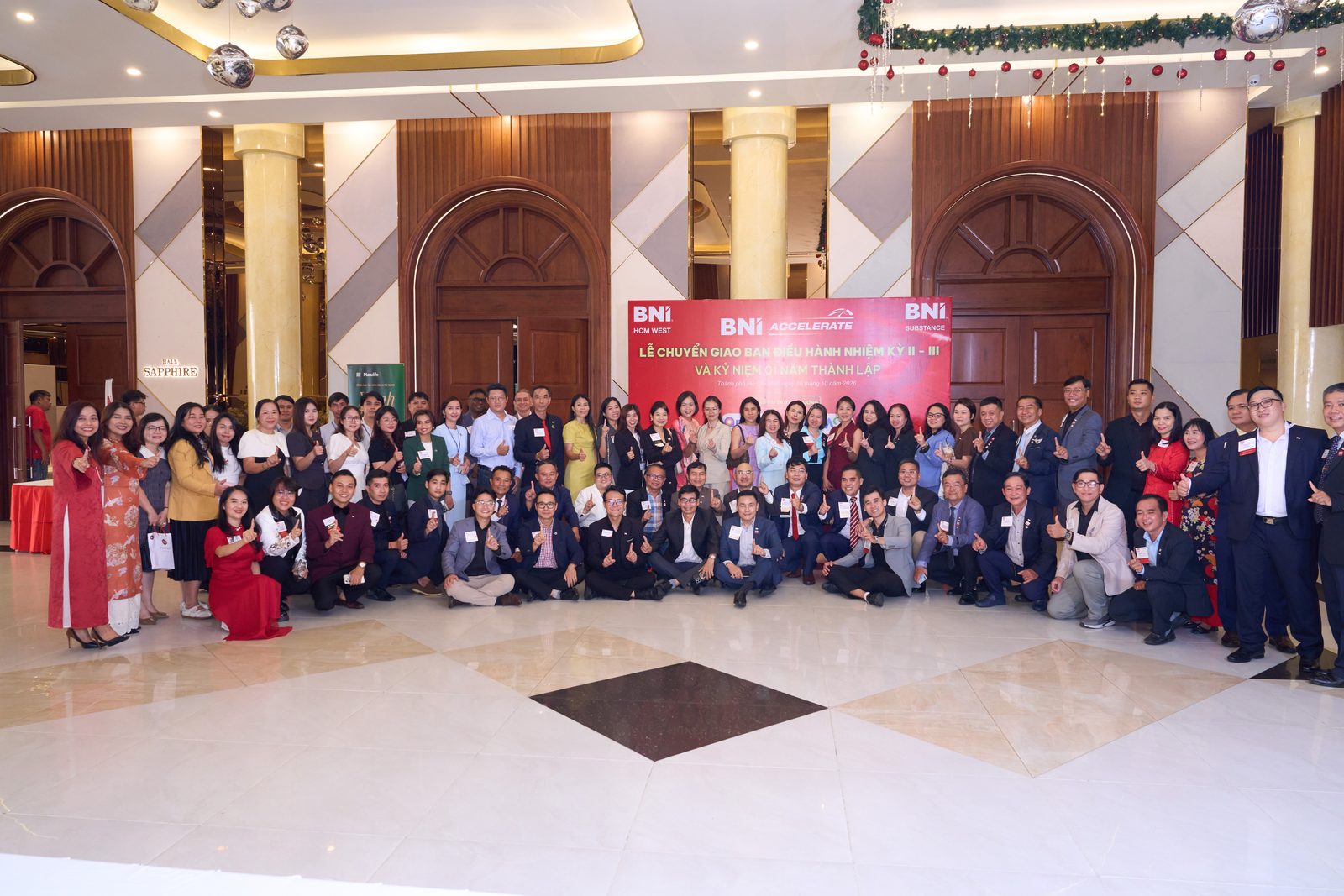
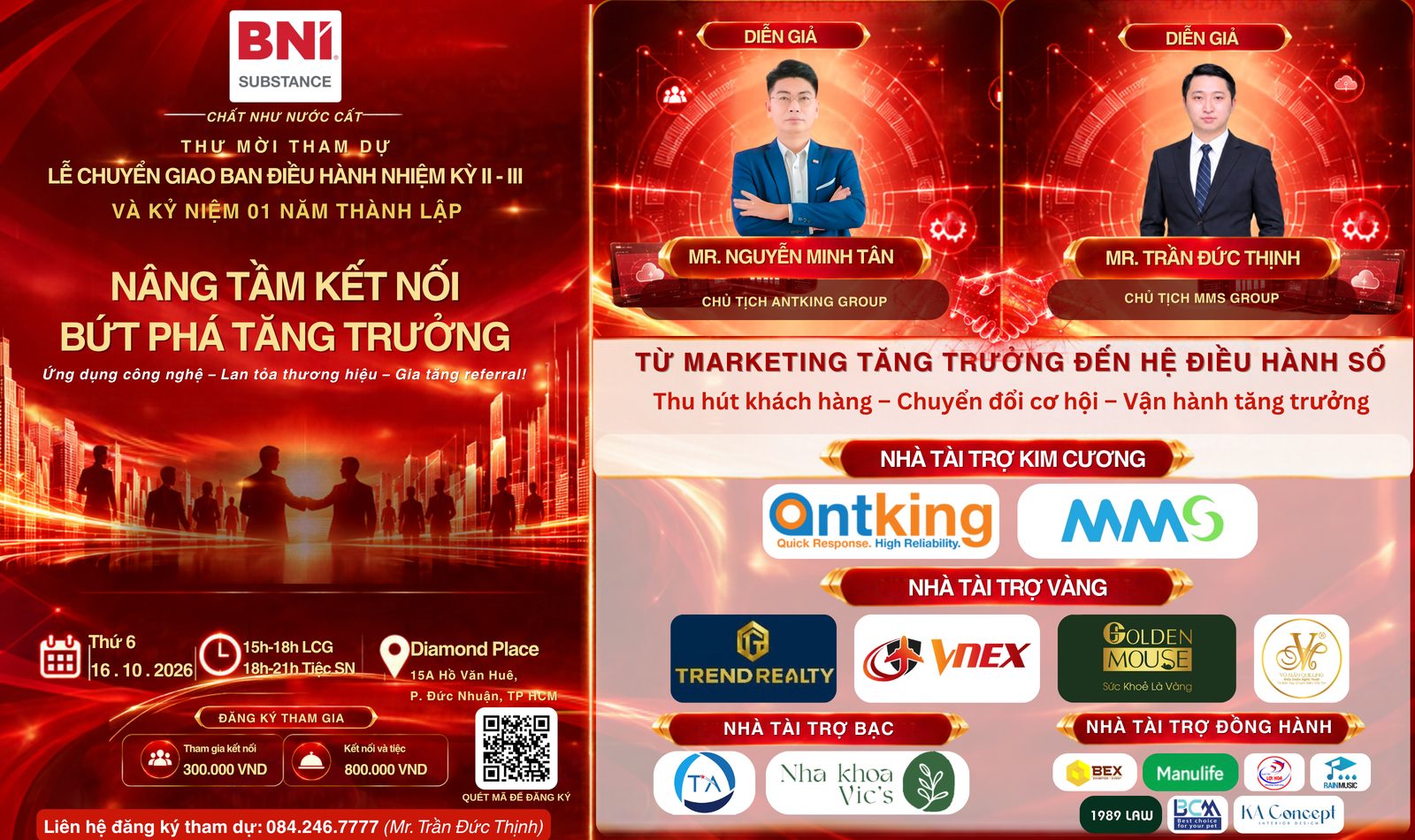
Chiều Thứ Sáu, ngày 16/10/2026, BNI Substance Chapter (BNI HCM West) tổ chức Lễ Chuyển Giao Ban Điều Hành Nhiệm kỳ II – III, đồng thời mừng tròn một năm thành lập Chapter. Sự kiện diễn ra tại Diamond Place, 15A Hồ Văn Huê, P. Đức Nhuận, TP.HCM với chủ đề “Nâng tầm kết nối – Bứt phá tăng trưởng”.
Một năm “Chất như nước cất”
Sau một năm hình thành và phát triển, BNI Substance đã trở thành nơi các chủ doanh nghiệp thuộc nhiều ngành nghề gặp nhau mỗi sáng Thứ Năm để kết nối, trao cơ hội kinh doanh và cùng nhau lớn lên theo triết lý Givers Gain® – Cho là nhận. Tinh thần “Chất như nước cất” mà Chapter theo đuổi là sự trong sạch, minh bạch và chất lượng trong từng mối quan hệ, từng lời giới thiệu.
Lễ Chuyển Giao là dịp để Chapter nhìn lại chặng đường nhiệm kỳ II, tri ân Ban Điều Hành và các thành viên đã đồng hành, đồng thời trao lại trọng trách cho Ban Điều Hành Nhiệm kỳ III do Mr. Nguyễn Minh Tân làm Chủ tịch, với mục tiêu nâng tầm chất lượng kết nối và tạo ra nhiều referral giá trị hơn cho thành viên.
Chương trình
- 15h00 – 18h00: Lễ Chuyển Giao Ban Điều Hành Nhiệm kỳ II – III, chia sẻ chuyên đề và kết nối kinh doanh
- 18h00 – 21h00: Tiệc mừng sinh nhật 01 năm BNI Substance Chapter
Chuyên đề: Từ Marketing tăng trưởng đến Hệ điều hành số
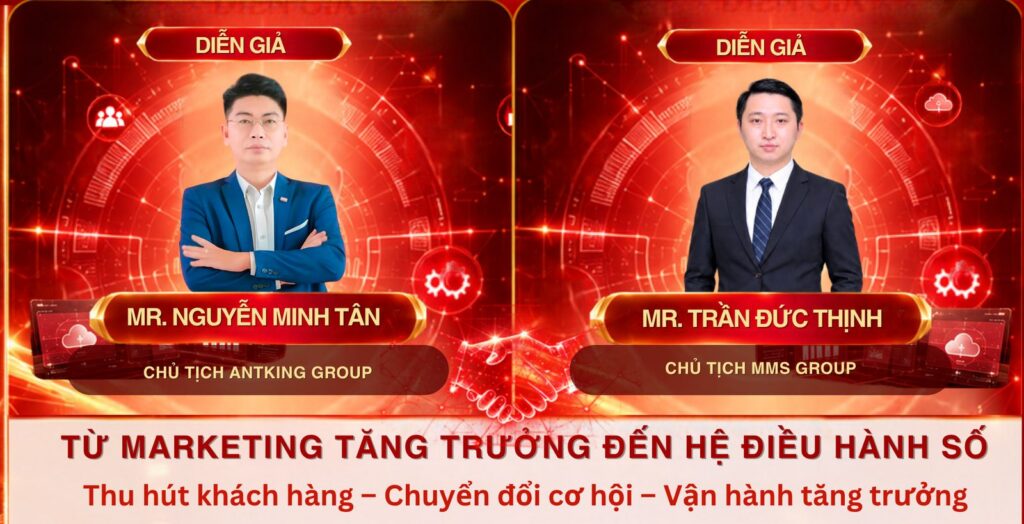
Điểm nhấn chuyên môn của chương trình là chuyên đề “Từ Marketing tăng trưởng đến Hệ điều hành số” với ba trọng tâm: Thu hút khách hàng – Chuyển đổi cơ hội – Vận hành tăng trưởng. Chuyên đề hướng tới câu hỏi mà nhiều chủ doanh nghiệp đang đặt ra: làm thế nào để khách hàng tiềm năng và những lời giới thiệu (referral) có được hôm nay được chuyển thành doanh thu, và được vận hành một cách bài bản bằng công nghệ.
Hai diễn giả của chương trình:
- Mr. Nguyễn Minh Tân – Chủ tịch ANTKING Group, Chủ tịch BNI Substance Chapter Nhiệm kỳ III
- Mr. Trần Đức Thịnh – Chủ tịch MMS Group
Đúng với thông điệp “Ứng dụng công nghệ – Lan tỏa thương hiệu – Gia tăng referral!”, đây là dịp để thành viên và khách mời cập nhật cách tiếp cận mới trong marketing và chuyển đổi số, đồng thời mở rộng mạng lưới với cộng đồng doanh nhân BNI.
Thông tin tham dự
- Thời gian: Thứ Sáu, 16/10/2026, từ 15h00 đến 21h00
- Địa điểm: Diamond Place, 15A Hồ Văn Huê, P. Đức Nhuận, TP.HCM
- Tham gia kết nối: 300.000 VND
- Kết nối và tiệc: 800.000 VND
- Đăng ký trực tuyến: quét mã QR trên thư mời hoặc truy cập https://forms.gle/AqTyZEBN2S1itsvF9
- Liên hệ đăng ký: 084.246.7777 (Mr. Trần Đức Thịnh)
Tri ân các nhà tài trợ
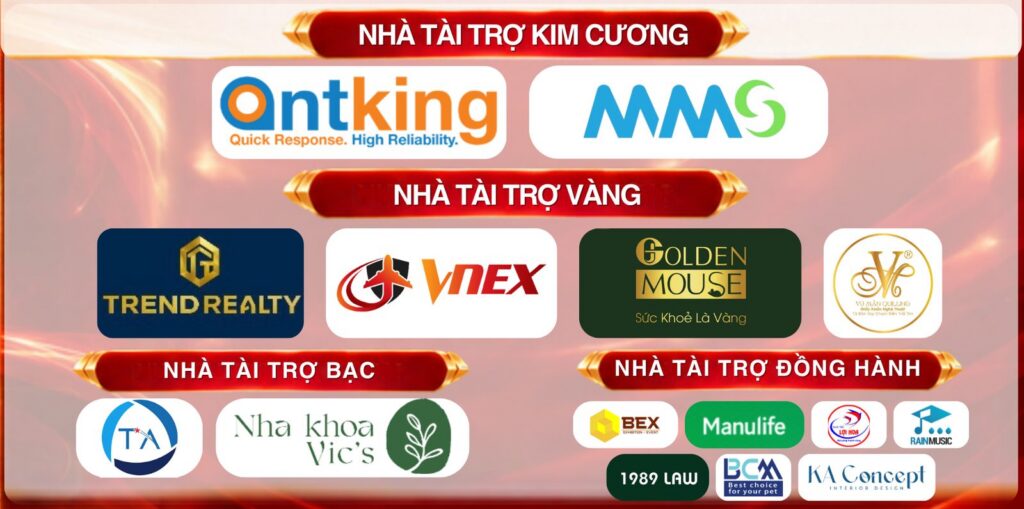
BNI Substance Chapter trân trọng cảm ơn các doanh nghiệp đã đồng hành cùng sự kiện:
- Nhà tài trợ Kim Cương: ANTKING Group, MMS Group
- Nhà tài trợ Vàng: Trend Realty, VNEX, Golden Mouse, Vũ Mẫn Quilling
- Nhà tài trợ Bạc: T.A, Nha khoa Vic’s
- Nhà tài trợ Đồng hành: BEX, Manulife, Yến sào Lợi Hoa, Rain Music, 1989 Law, BCM Pet, KA Concept
BNI Substance Chapter trân trọng kính mời các chủ doanh nghiệp, đối tác và những người bạn của cộng đồng BNI đến chung vui, chứng kiến cột mốc quan trọng của Chapter và cùng nhau nâng tầm kết nối – bứt phá tăng trưởng.
Sáng Thứ Năm, ngày 01/10/2026, tại Trung tâm Hội nghị Tiệc cưới Adora Legend (32 Hoàng Việt, P. Tân Sơn Nhất, TP.HCM), BNI Substance Chapter (thuộc BNI HCM West) đã tổ chức buổi Kết nối Kinh doanh định kỳ với sự tham dự của 30 chủ doanh nghiệp là thành viên và khách mời. Đây là buổi họp đầu tiên của tháng 10, cũng là buổi mở đầu nhiệm kỳ III của Chapter, diễn ra trong không khí ấm áp, chuyên nghiệp và đậm tinh thần hợp tác của BNI.
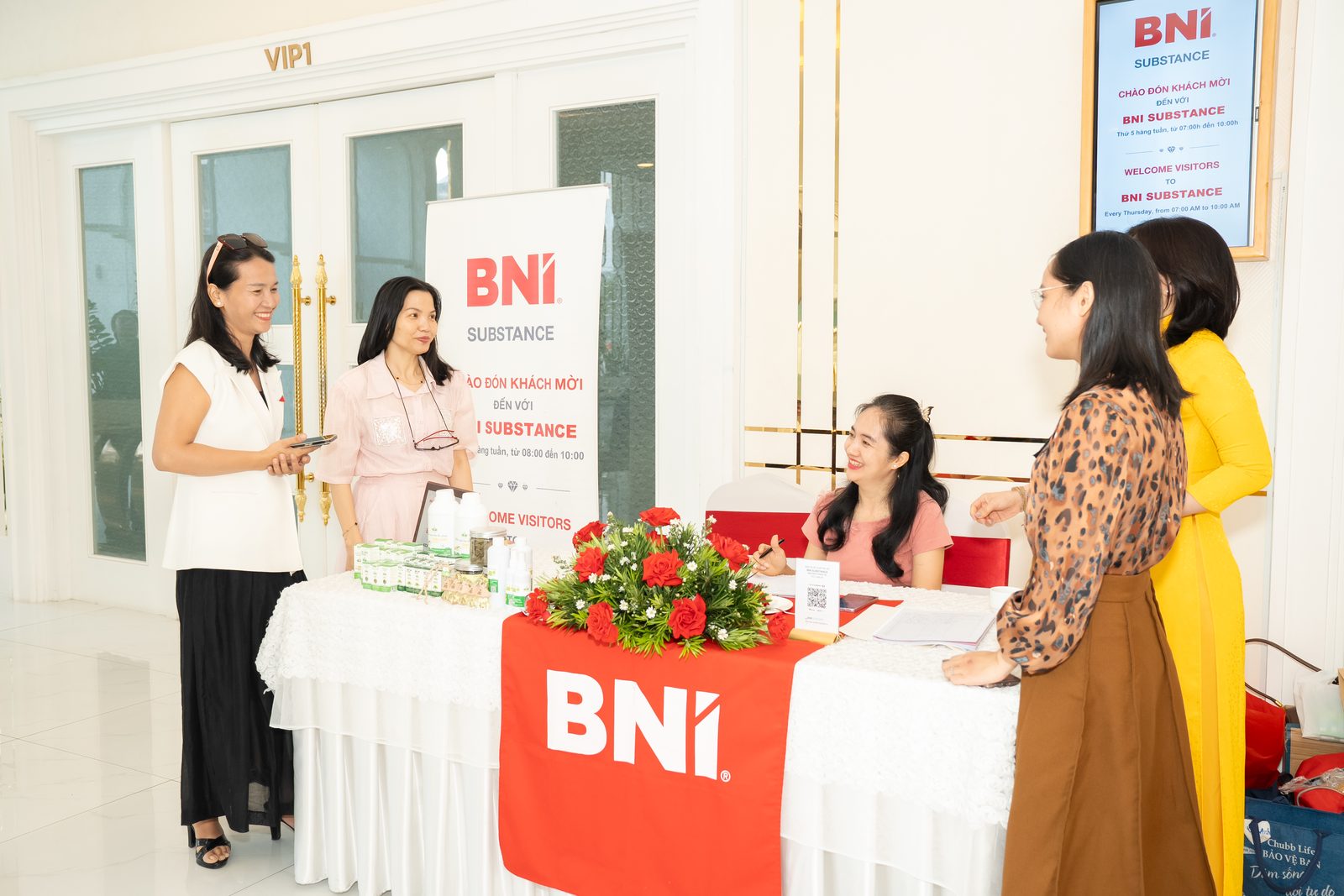
Giao lưu mở: mỗi cái bắt tay là một cơ hội
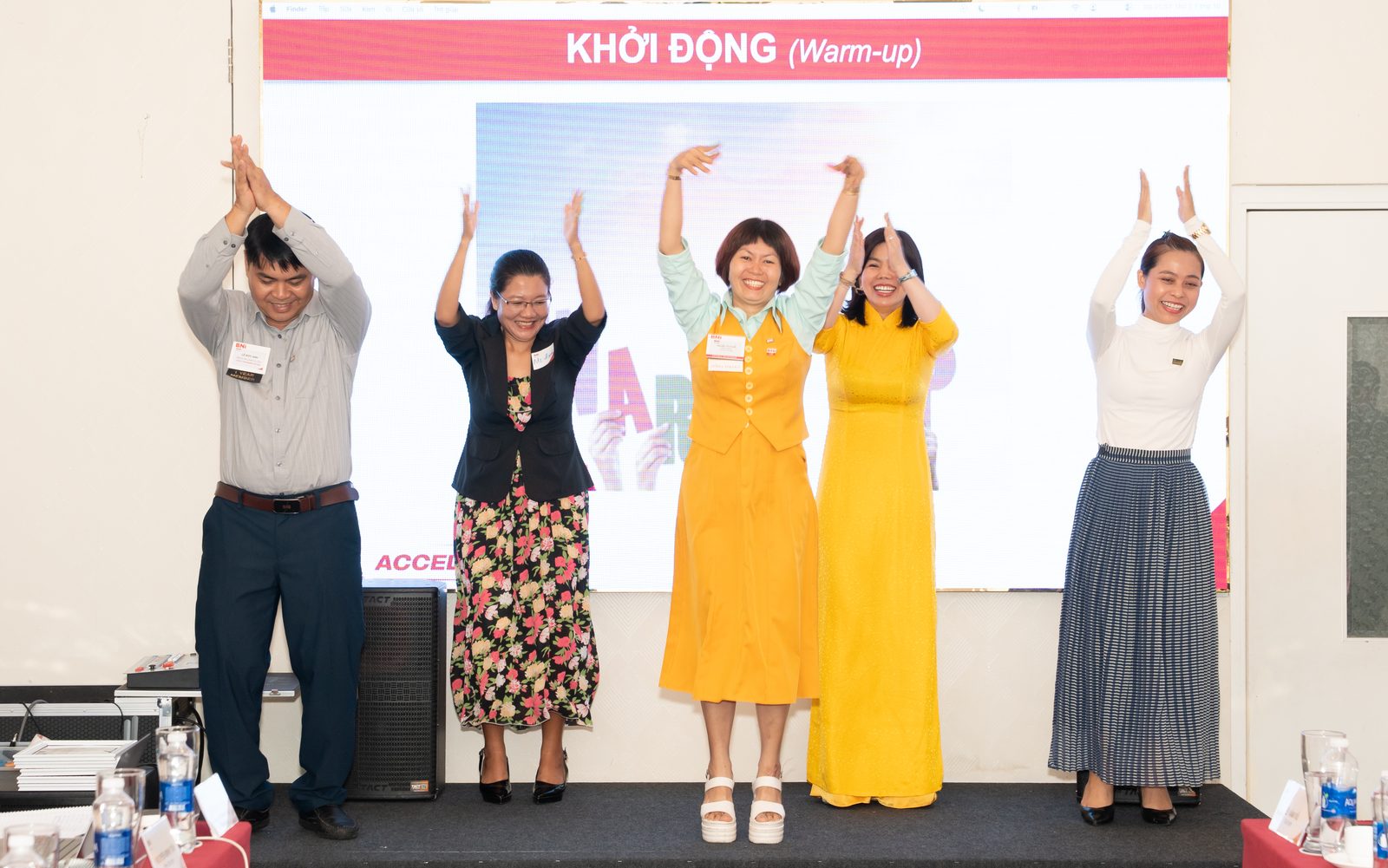
Ngay từ đầu giờ, phiên Giao lưu mở đã diễn ra sôi nổi tại sảnh: trao danh thiếp, giới thiệu ngắn về doanh nghiệp và ghé các bàn trưng bày sản phẩm của thành viên trong Chapter. Phần khởi động vui nhộn sau đó giúp cả phòng họp vào nhịp trước khi chương trình chính thức bắt đầu.
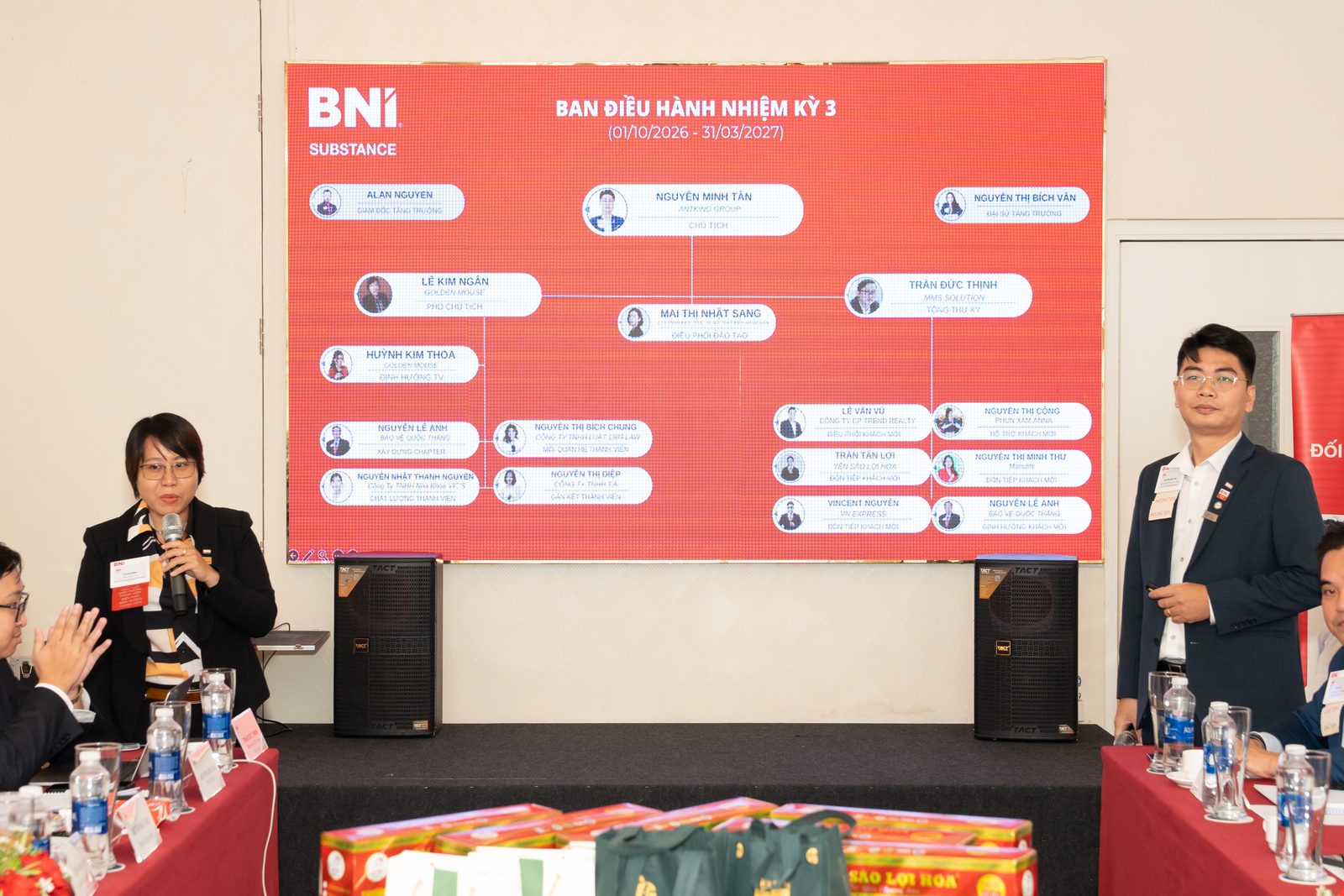
Giới thiệu Ban Điều hành nhiệm kỳ III
Trong phần chào đón khách mời, Chapter giới thiệu Ban Điều hành nhiệm kỳ III (01/10/2026 – 31/03/2027): Chủ tịch Mr. Nguyễn Minh Tân (ANTKING Group), Phó Chủ tịch Ms. Lê Kim Ngân (Golden Mouse), Tổng Thư ký Mr. Trần Đức Thịnh (MMS Solution) và Điều phối Đào tạo Ms. Mai Thị Nhật Sang, cùng các thành viên phụ trách mảng thành viên và khách mời. Đồng hành cùng Chapter là Giám đốc Tăng trưởng Mr. Alan Nguyen và Đại sứ Tăng trưởng Ms. Nguyễn Thị Bích Vân. Lễ chuyển giao Ban Điều hành nhiệm kỳ II – III sẽ được tổ chức vào ngày 16/10/2026.
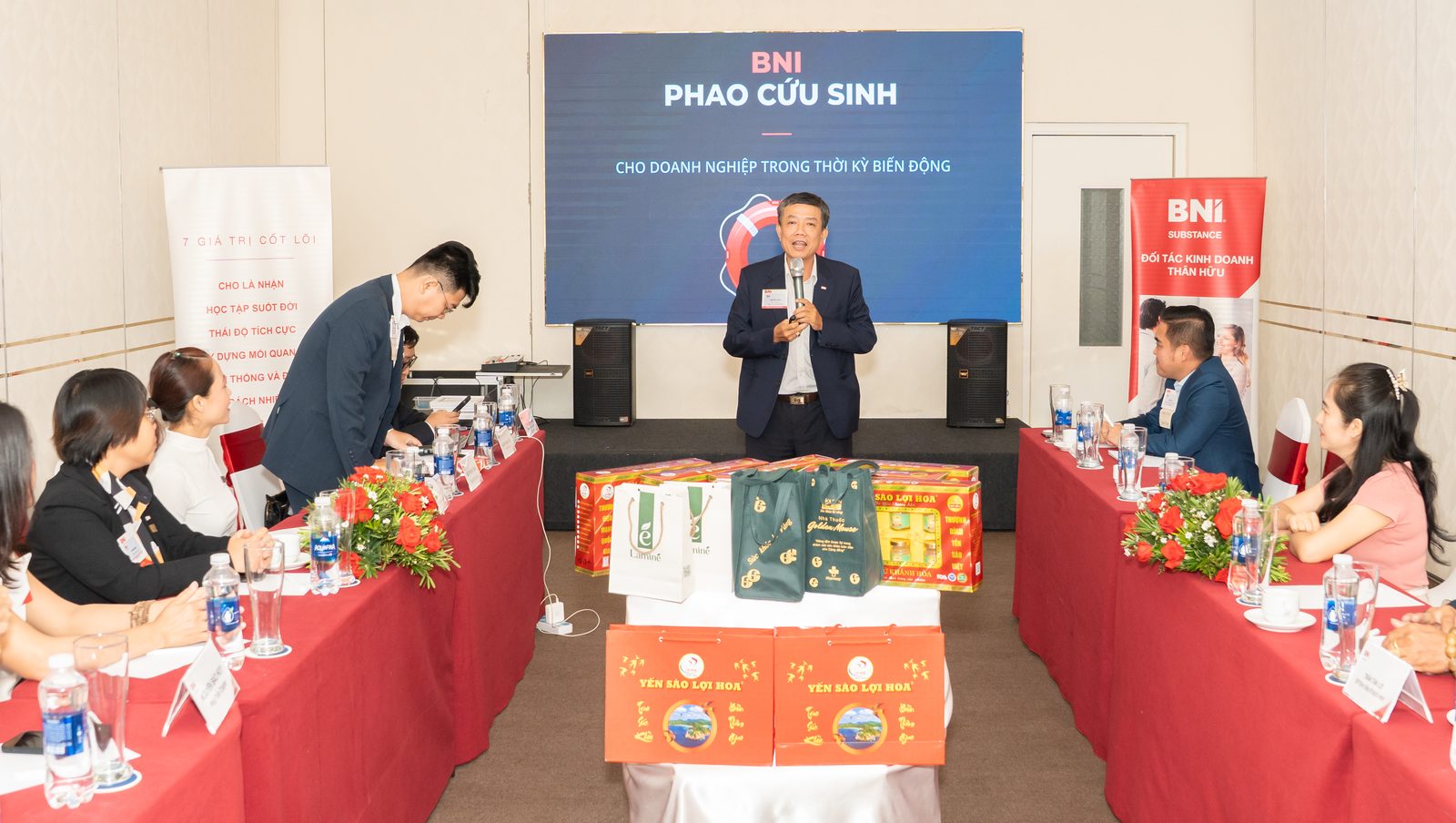
Chia sẻ kỹ năng: “BNI – phao cứu sinh cho doanh nghiệp trong thời kỳ biến động”
Phần chia sẻ kỹ năng xây dựng mối quan hệ kinh doanh do Mr. Nguyễn Lê Anh — Công ty TNHH Bảo vệ Quốc Thắng trình bày, với chủ đề “BNI – phao cứu sinh cho doanh nghiệp trong thời kỳ biến động”.
Diễn giả bắt đầu từ thực tế mà chủ doanh nghiệp nào cũng đang thấy: chi phí tăng, sức mua giảm, thị trường thắt chặt. Đứng trước cơn bão lớn, một người bơi giỏi đến đâu nếu độc hành cũng rất dễ kiệt sức — doanh nghiệp cần một chiếc phao cứu sinh và một đội cứu hộ để vươn tới bờ an toàn. Theo anh, BNI mang lại đúng ba chiếc phao ấy:
- Cứu sinh về doanh thu — “Dòng tiền không bao giờ ngừng chảy”: một đội ngũ kinh doanh 20–50 người không tốn chi phí, hợp đồng và dòng tiền được duy trì qua những lời giới thiệu chất lượng, tiết kiệm ngân sách marketing và quảng cáo
- Cứu sinh về trí tuệ — “Một đầu óc không bằng hàng chục bộ não”: không còn tự mò mẫm một mình, có “hội đồng cố vấn” hỗ trợ về tái cấu trúc, giảm chi phí, chuyển đổi số, và kế thừa kinh nghiệm thực chiến của những người đã vượt qua bão tố
- Cứu sinh về tinh thần — “Sức mạnh của sự gắn kết”: triết lý Givers Gain® tạo nên môi trường tương trợ vững chắc, là “trạm sạc năng lượng” mỗi tuần giúp nhà quản trị giữ lửa và vững tay lái
Chiếc phao chỉ có tác dụng khi ta bám chặt vào nó. Lời kêu gọi hành động vì thế rất cụ thể: hiện diện 100% vì mỗi buổi họp là một cơ hội kinh doanh; tăng cường 1-2-1 để đồng đội hiểu rõ khó khăn của mình; và mở lòng chia sẻ, sẵn sàng đón nhận sự giúp đỡ từ tập thể. “Độc hành thì đi nhanh, nhưng đồng hành mới đi xa và vượt qua sóng gió.”
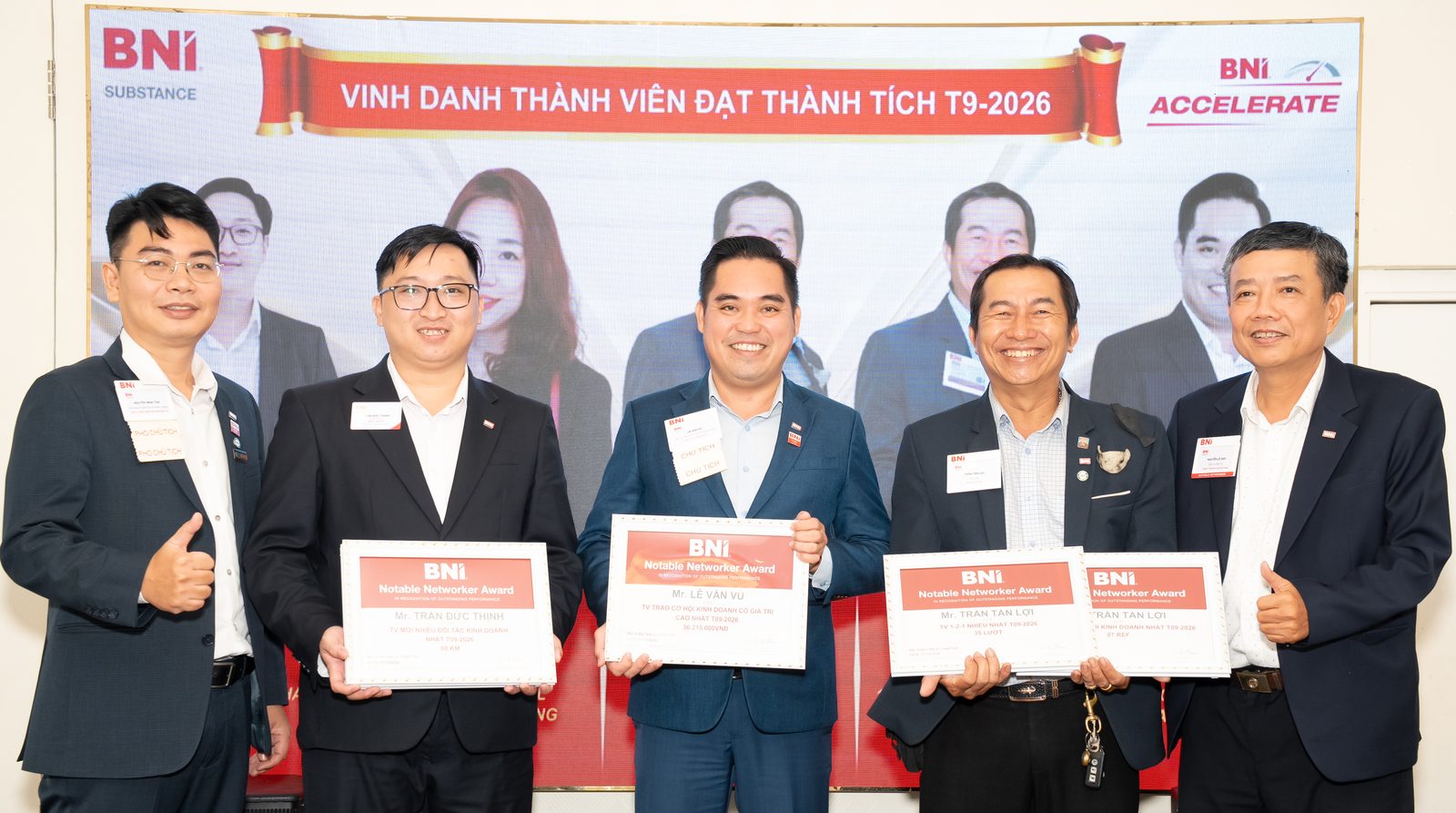
Vinh danh thành viên xuất sắc tháng 9 và tuần 43
Là buổi họp đầu tháng, Chapter trao Notable Networker Award cho các thành viên đạt thành tích cao nhất tháng 9/2026:
- Mr. Trần Đức Thịnh — mời khách nhiều nhất tháng: 8 khách mời
- Ms. Nguyễn Thanh Hà và Mr. Trần Tấn Lợi — trao referral nhiều nhất tháng: 7 referral mỗi người
- Mr. Trần Tấn Lợi — 1-2-1 nhiều nhất tháng: 35 lượt
- Mr. Lê Văn Vũ — tổng giá trị kinh doanh cao nhất tháng: 36.215.000đ
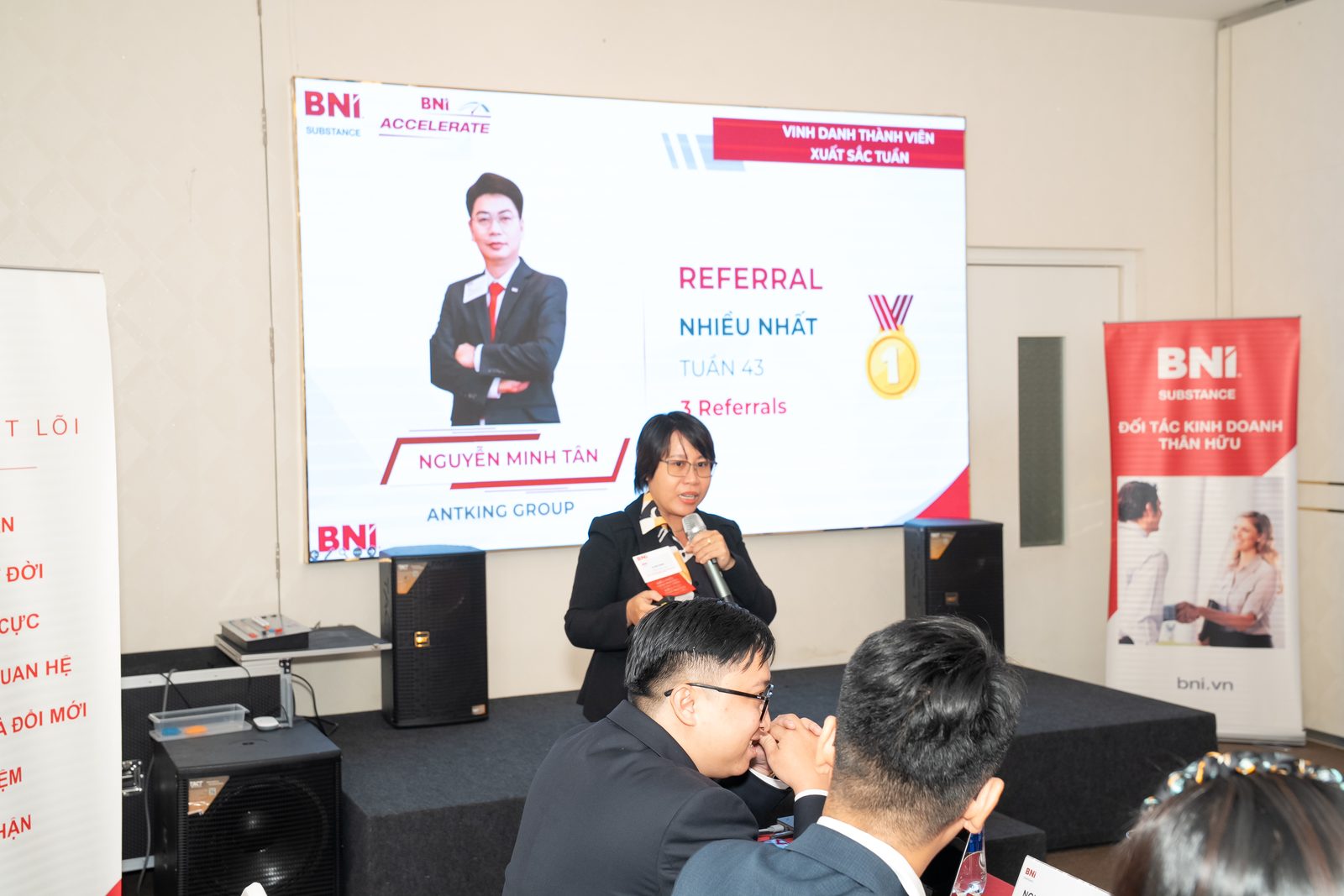
Tiếp đó là phần vinh danh thành viên xuất sắc tuần 43:
- Mr. Trần Tấn Lợi (Lợi Hoa) — 1-2-1 nhiều nhất: 9 lượt, đồng thời mời khách nhiều nhất: 4 khách mời
- Mr. Nguyễn Minh Tân (ANTKING Group) — trao referral nhiều nhất: 3 referral
- Mr. Lê Văn Vũ (Trend Realty) — TYFCB cao nhất: 18.000.000đ
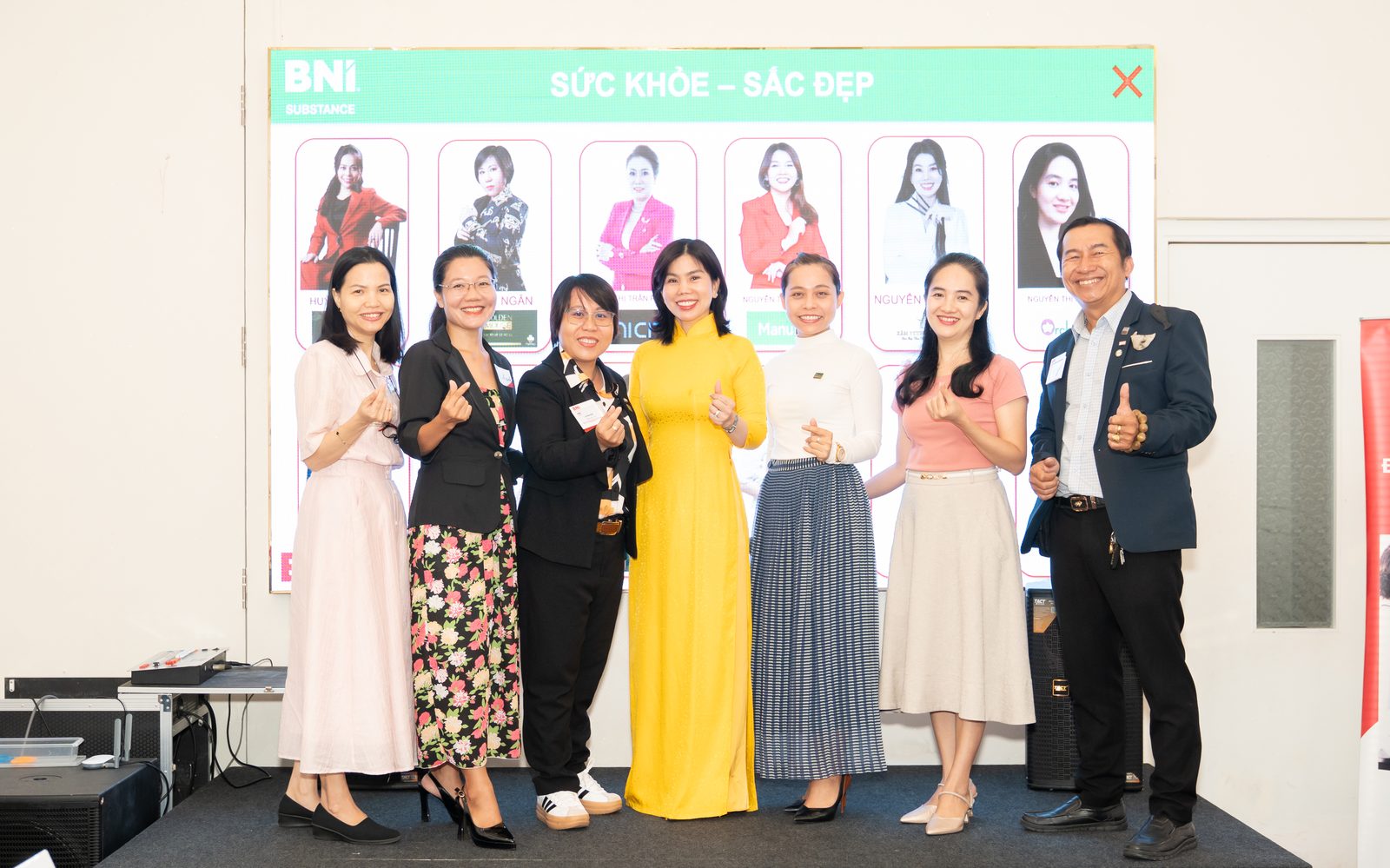
Giới thiệu 30 giây theo Power Team
Phần giới thiệu 30 giây diễn ra theo từng Power Team — Sức khỏe & Sắc đẹp, Xây dựng – Bất động sản, Hỗ trợ Doanh nghiệp. Mỗi thành viên nói rõ ngành nghề, khách hàng lý tưởng và nhu cầu kết nối trong tuần, để cả phòng họp biết chính xác có thể giúp nhau bằng cách nào.
Khách mời và những kết nối đầu tiên
Các khách mời lần lượt giới thiệu tên doanh nghiệp, lĩnh vực kinh doanh, ai là khách hàng của mình và Chapter có thể giúp được gì. Đây thường là nơi những kết nối đầu tiên hình thành, và cũng là lúc các thành viên nhận ra mình có thể trao đi cơ hội nào.
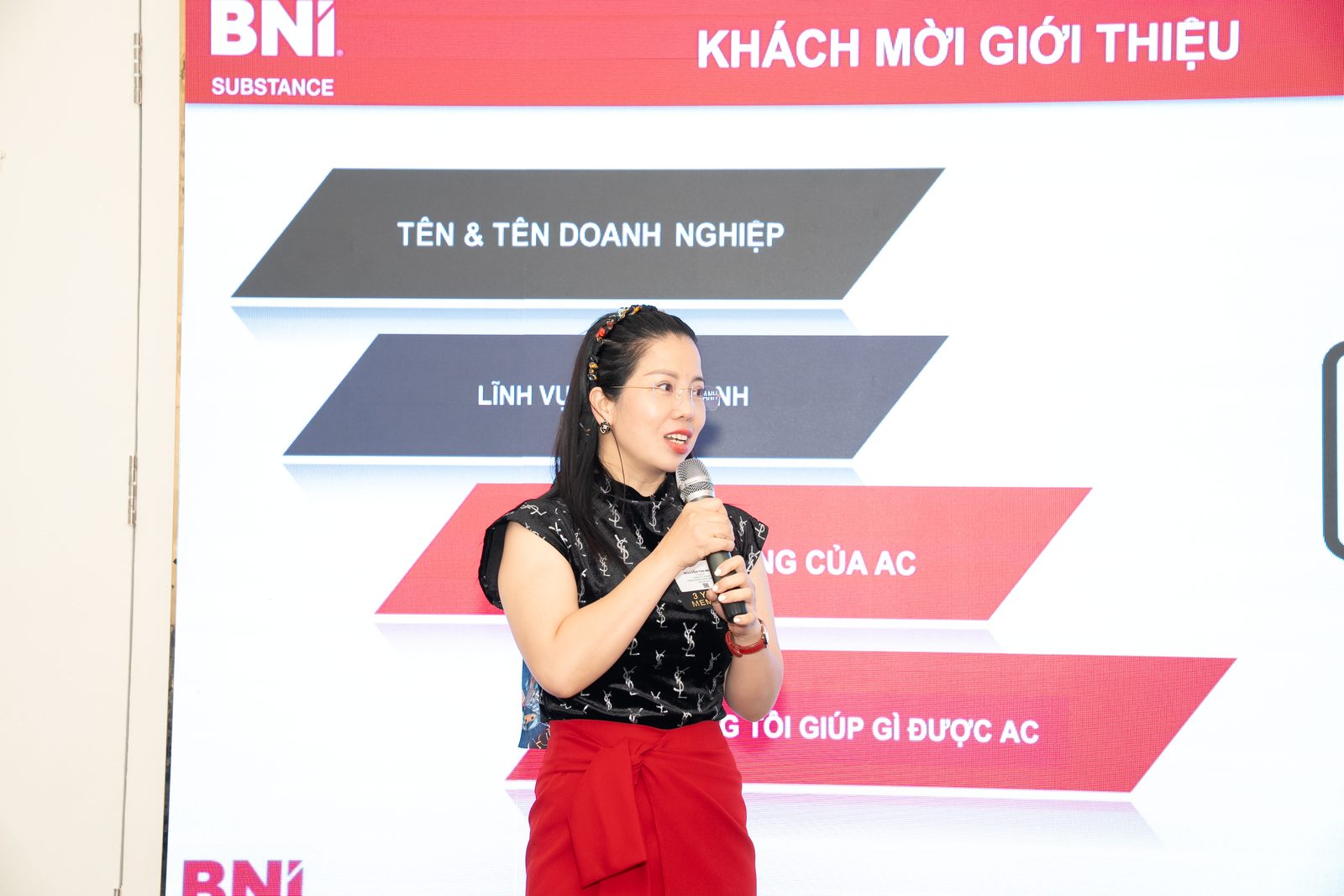
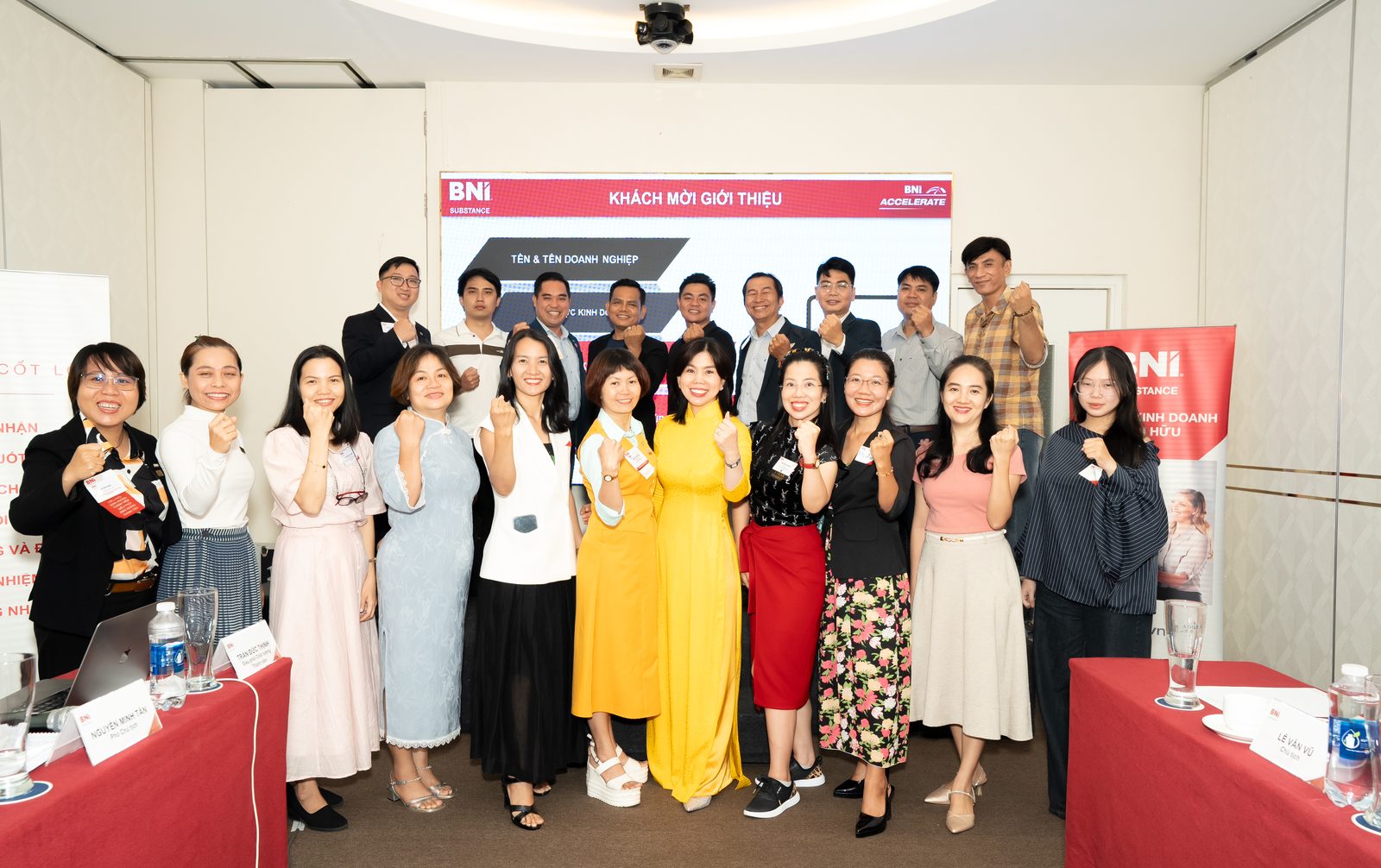
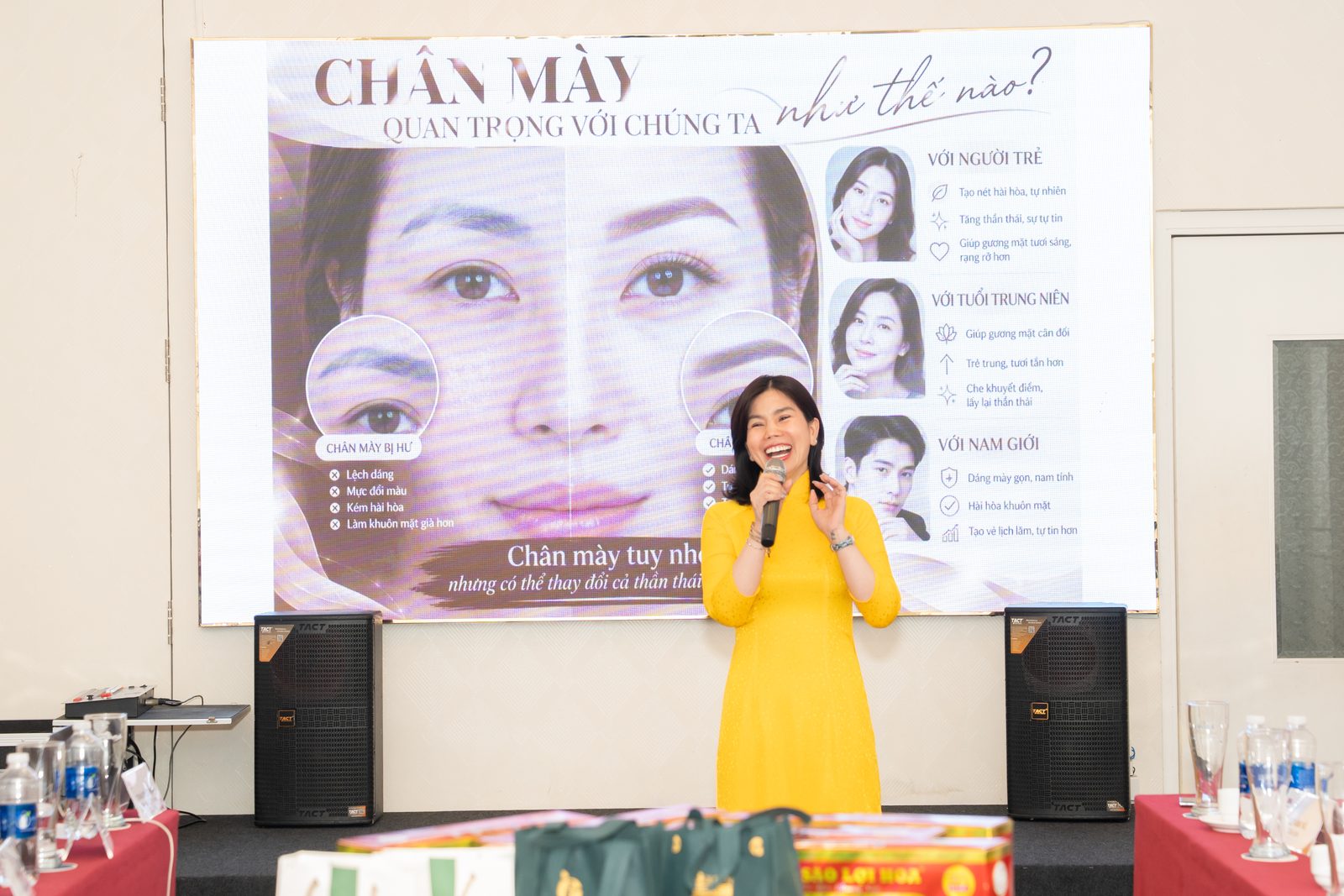
Feature Presentation: Xăm Phun Công Anna — “Phong thủy trong phun xăm: Sửa đường nét – Tôn gương mặt”
Điểm nhấn của buổi họp là phần Feature Presentation của Ms. Anna Công (Nguyễn Thị Công) — Giám đốc Xăm Phun Công Anna, với chủ đề “Phong thủy trong phun xăm: Sửa đường nét – Tôn gương mặt”.
Chị mở đầu bằng một câu hỏi rất đời thường: chân mày quan trọng với chúng ta như thế nào? “Chân mày tuy nhỏ nhưng có thể thay đổi cả thần thái khuôn mặt.” Một đôi chân mày hư — lệch dáng, mực đổi màu, kém hài hòa — khiến gương mặt già hơn; một đôi chân mày đẹp thì tự nhiên, tôn nét và làm gương mặt trẻ trung, rạng rỡ. Với người trẻ, đó là sự tự tin và thần thái; với tuổi trung niên, là gương mặt cân đối, tươi tắn hơn; với nam giới, là dáng mày gọn, nam tính và lịch lãm.
Theo chị, đẹp không phải là thay đổi hoàn toàn, mà là phù hợp và tôn lên nét riêng của mỗi người. Một diện mạo hài hòa dựa trên ba yếu tố:
- Dáng và đường nét hài hòa — thiết kế theo cấu trúc từng khuôn mặt; đầu, đỉnh, đuôi mày cân đối; đường sợi mềm mại, không làm nặng khuôn mặt
- Tỷ lệ phù hợp khuôn mặt — tôn nét sẵn có, đẹp nhưng vẫn giữ được nét riêng tự nhiên
- Đúng giới tính, đúng thần thái — không áp một kiểu dáng cho tất cả, mà thiết kế theo độ tuổi, phong cách và đường nét riêng
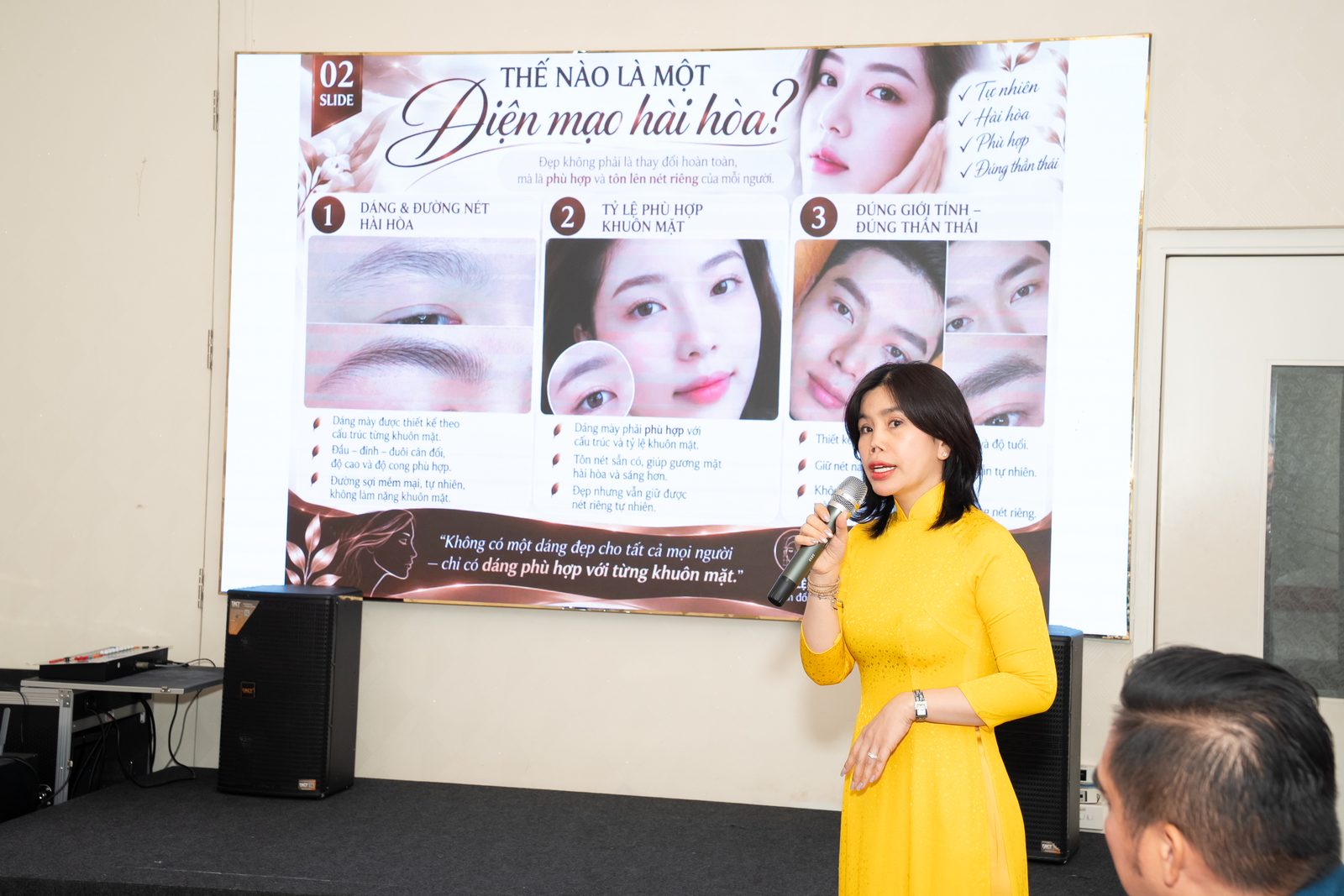
Để tạo ra một tác phẩm đẹp cần nhiều hơn kỹ thuật. Quy trình của Công Anna gồm bốn bước — thăm khám, tư vấn, thiết kế, kỹ thuật — theo nguyên tắc mỗi gương mặt một cách thiết kế, dùng mực hữu cơ và ưu tiên sự hài hòa. Với những trường hợp chân mày đã phun xăm hỏng, giải pháp là “sửa đúng nền cũ, đẹp lại từ đúng nền”: đánh giá nền cũ, xử lý mực cũ bằng laser, kiểm tra lại cấu trúc khuôn mặt rồi mới thiết kế dáng mới. “Muốn đẹp đúng, trước tiên phải xử lý đúng nền.”
Với Chapter, đây là gợi ý rất rõ về khi nào nên giới thiệu khách cho Công Anna: người có chân mày phun xăm cũ bị lệch dáng hoặc đổi màu cần sửa lại; người muốn làm chân mày – mí – môi theo hướng tự nhiên, hợp khuôn mặt; và cả nam giới cần một dáng mày gọn gàng, chỉn chu hơn.
Kết nối và lan toả giá trị
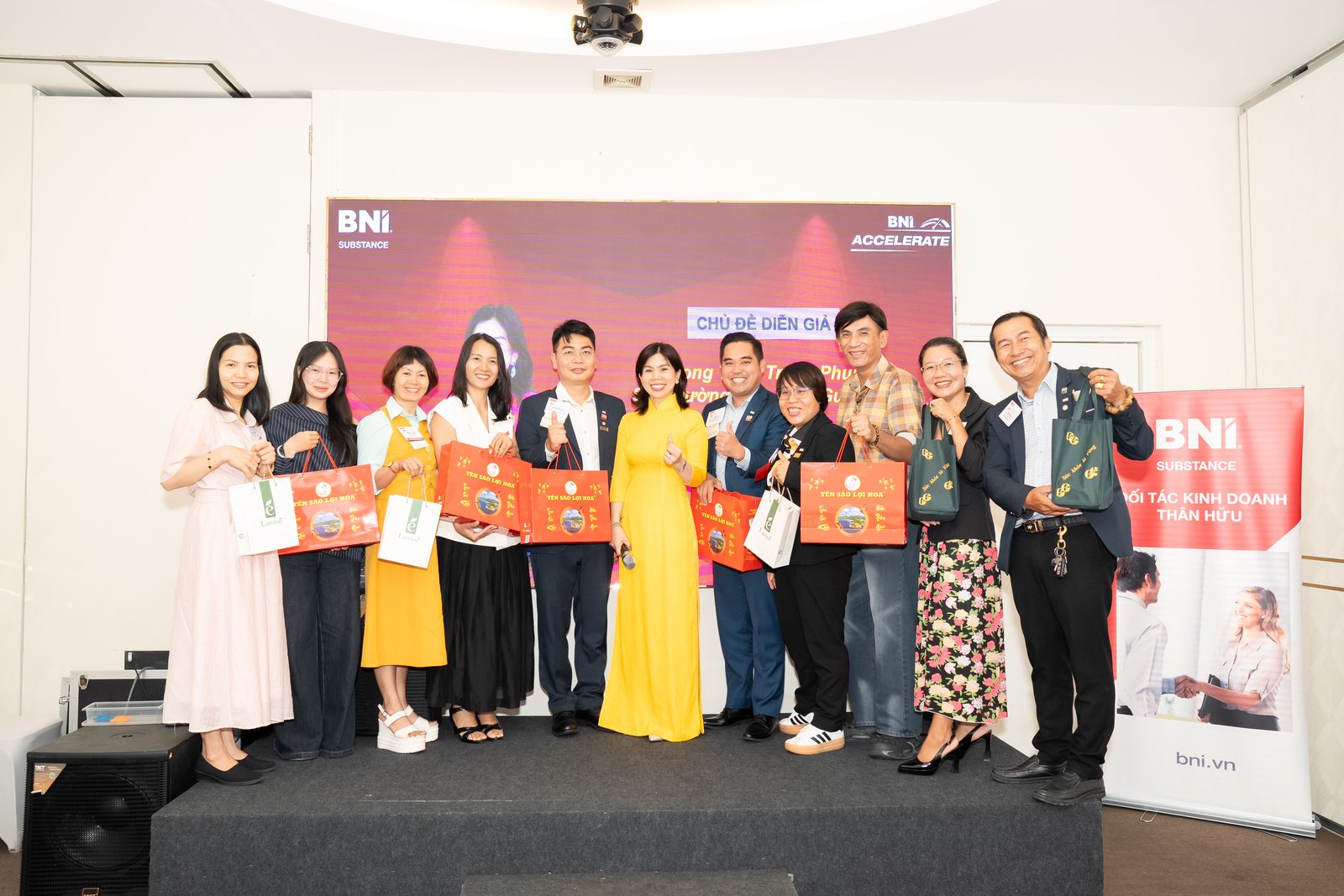
Buổi họp khép lại với phần bốc thăm may mắn, cảm ơn khách mời và chụp ảnh lưu niệm. Với tinh thần Givers Gain® — Cho là Nhận, BNI Substance Chapter tiếp tục là nơi các chủ doanh nghiệp học hỏi, mở rộng tư duy và tìm được những đối tác đáng tin cậy. Chapter cũng nhắc lại chương trình APAC SME’s Expo 2026 do BNI APAC tổ chức tại TP.HCM từ ngày 08 đến 10/10/2026.
Thông tin liên hệ
BNI Substance Chapter trân trọng cảm ơn hai diễn giả, các thành viên và toàn thể khách mời đã đồng hành. Chapter sinh hoạt định kỳ sáng Thứ Năm hàng tuần, 07:30 – 10:30, tại Trung tâm Hội nghị Tiệc cưới Adora Legend, 32 Hoàng Việt, P. Tân Sơn Nhất, TP.HCM.
Đăng ký tham dự: 0989.212.273 (Ms. Minh Thư) · Chủ tịch Chapter: Mr. Nguyễn Minh Tân · Giám đốc Tăng trưởng: Mr. Alan Nguyen.
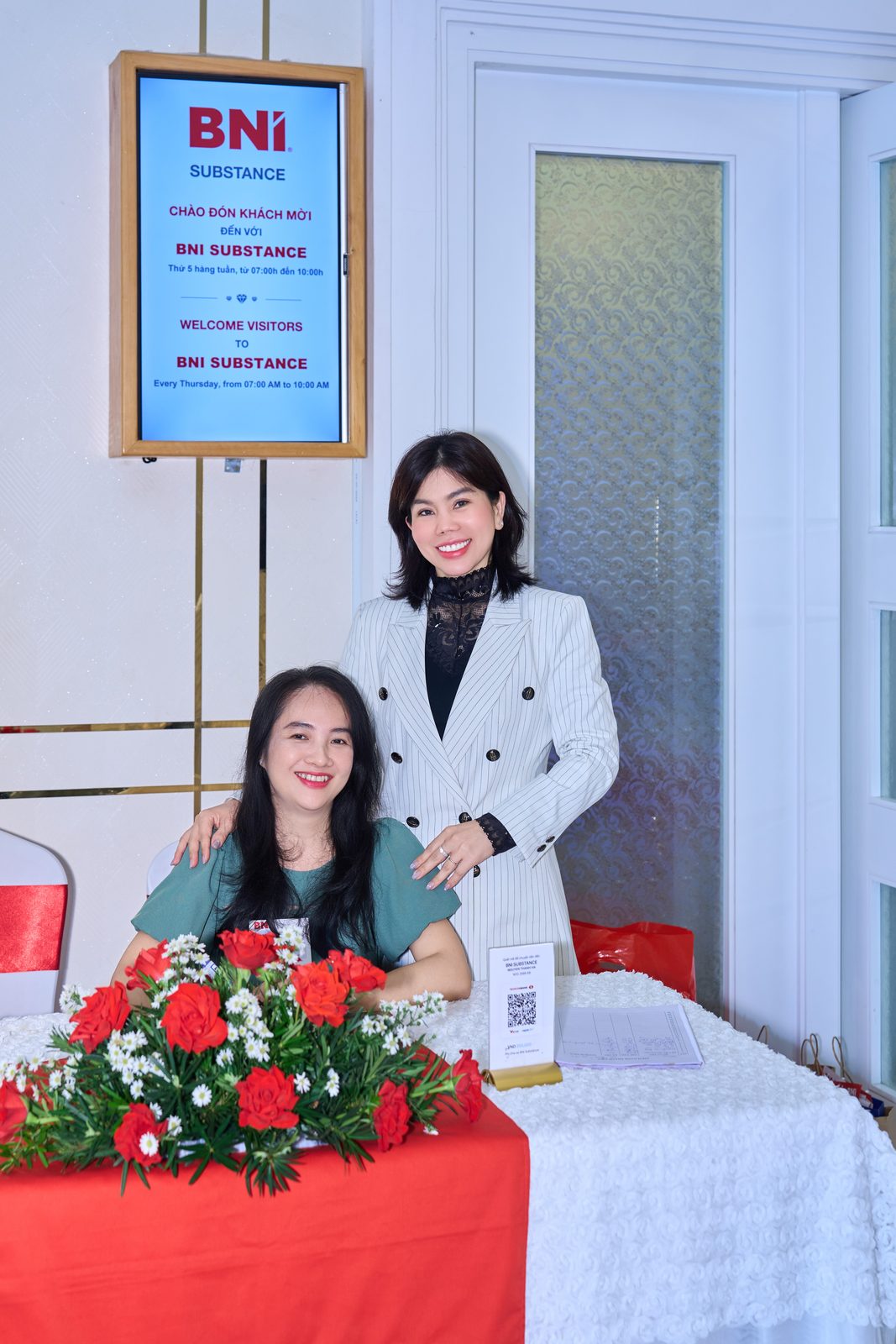
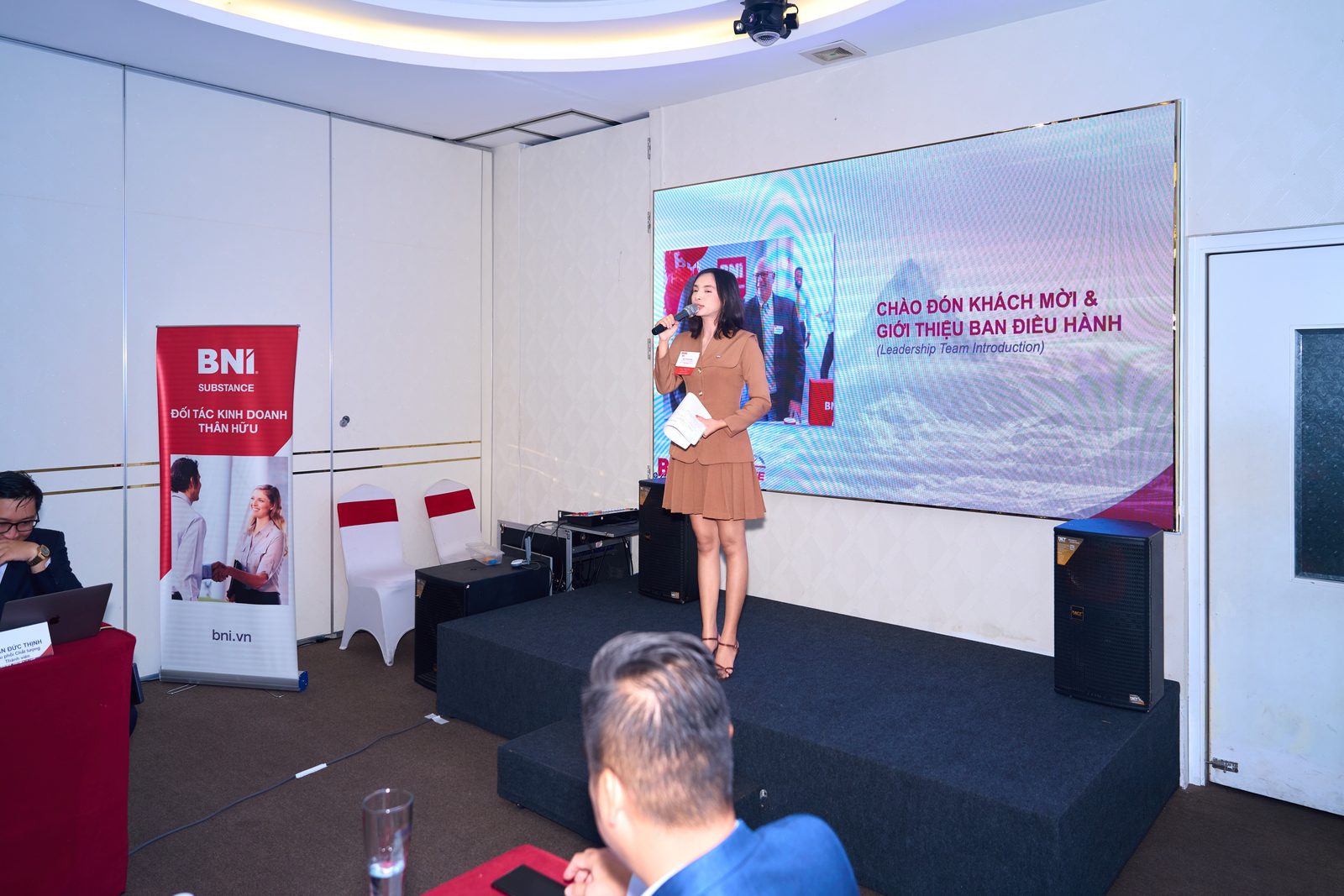
Sáng Thứ Năm, ngày 24/09/2026, tại Trung tâm Hội nghị Tiệc cưới Adora Legend (32 Hoàng Việt, P. Tân Sơn Nhất, TP.HCM), BNI Substance Chapter (thuộc BNI HCM West) đã tổ chức buổi Kết nối Kinh doanh định kỳ với sự tham dự của 30 chủ doanh nghiệp là thành viên và khách mời. Buổi họp diễn ra trong không khí ấm áp, chuyên nghiệp và đậm tinh thần hợp tác của BNI.
Giao lưu mở: mỗi cái bắt tay là một cơ hội
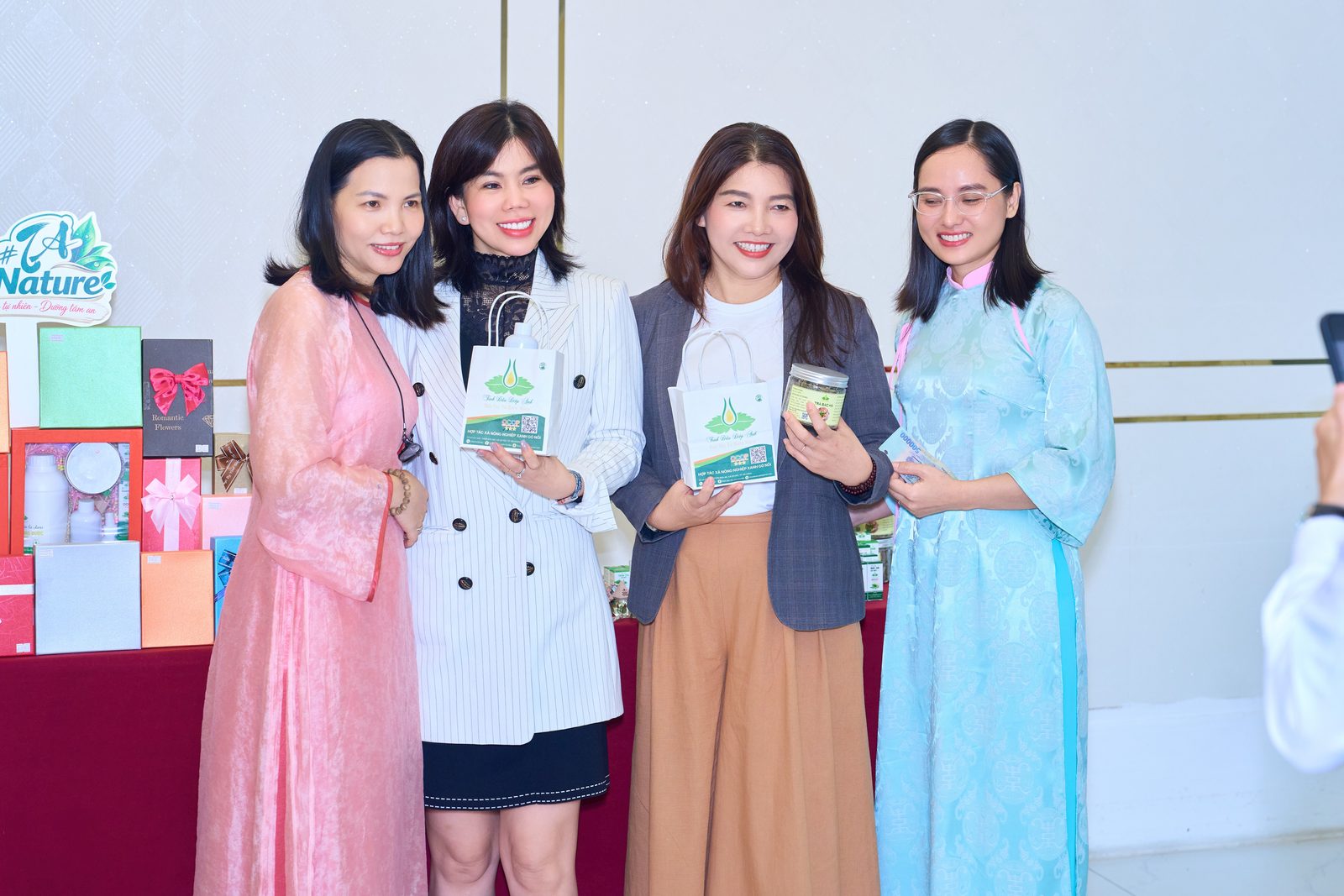
Từ 07:30, phiên Giao lưu mở diễn ra sôi nổi ngay tại sảnh. Bên cạnh việc trao danh thiếp và giới thiệu ngắn về doanh nghiệp, khách mời còn được trải nghiệm khu trưng bày sản phẩm tinh dầu thiên nhiên của thành viên trong Chapter — một cách rất tự nhiên để câu chuyện kinh doanh bắt đầu.
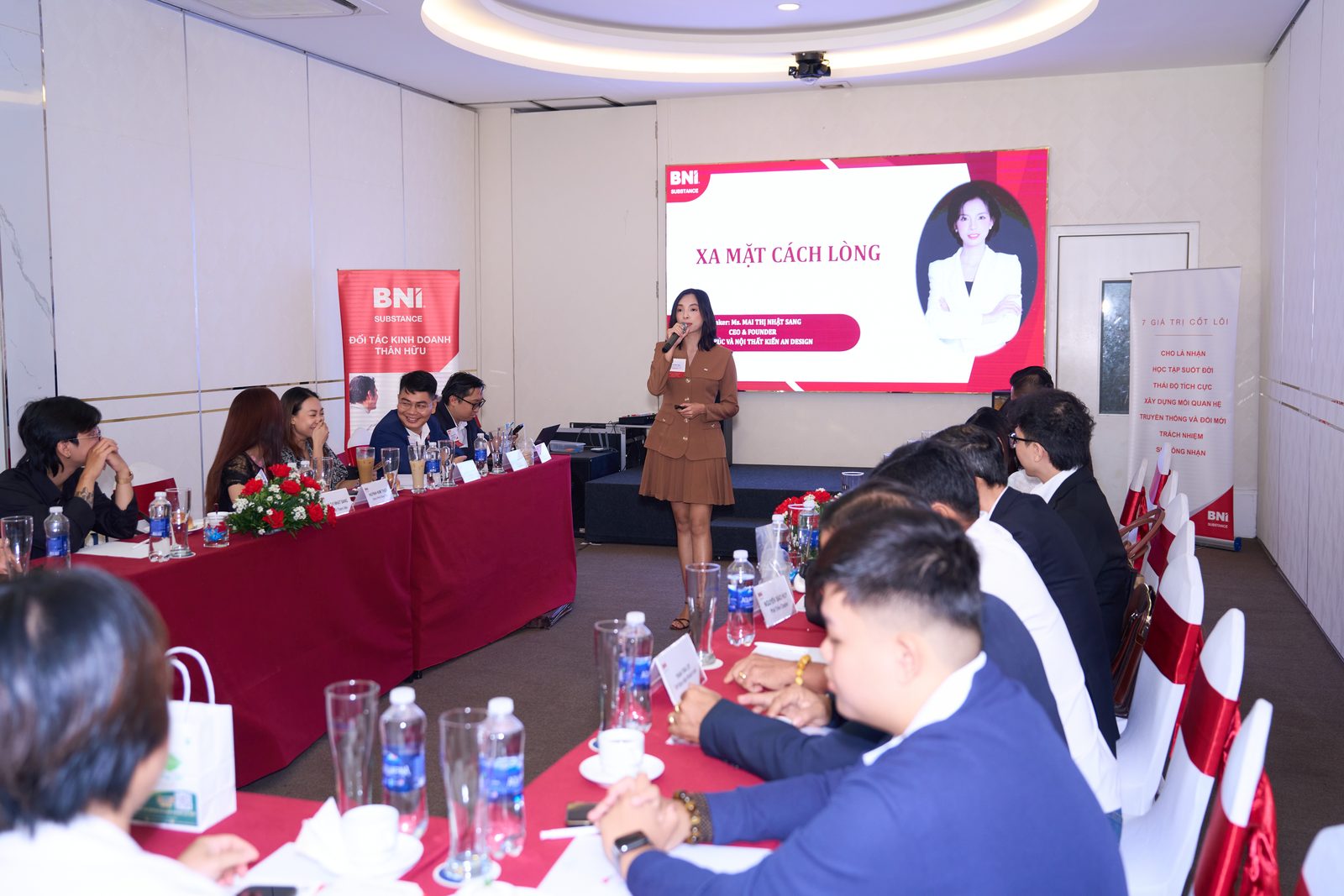
Chia sẻ kỹ năng: “Xa mặt cách lòng”
Phần chia sẻ kỹ năng xây dựng mối quan hệ kinh doanh do Ms. Mai Thị Nhật Sang — CEO & Founder Công ty TNHH Kiến trúc & Nội thất Kiến An trình bày, với chủ đề “Xa mặt cách lòng”.
Diễn giả mở đầu bằng một câu của Tiến sĩ Ivan Misner, nhà sáng lập BNI: “Ignoring you is easy” — lãng quên bạn là chuyện rất dễ dàng. Không ai cố ý quên ai; chỉ là không ai chủ động xuất hiện trong tâm trí người kia. Một mối quan hệ tốt không tự duy trì, nó cần hành động đều đặn.
Từ đó, chị giới thiệu 5 cách để luôn hiện diện trong tâm trí đối tác, và quan trọng hơn, cách biến chúng thành hành động cụ thể trong Chapter mỗi tuần:
- Gặp mặt trực tiếp — 1-2-1 hàng tuần, cà phê hoặc bữa trưa trước và sau buổi họp
- Gọi điện & nhắn tin — hỏi thăm sau referral, chúc mừng khi chốt được hợp đồng, hỏi thăm khi đồng đội vắng mặt
- Mạng xã hội — 3–5 bài mỗi tuần; tag và chia sẻ referral, đăng lời chứng thực, review chéo cho nhau
- Email — dễ làm nhất nhưng hiệu quả thấp nhất; hợp để follow-up sau 1-2-1 và gửi hồ sơ GAINS
- Thiệp cảm ơn viết tay — giá trị truyền thống, gửi sau khi nhận referral hoặc được giúp đỡ
Lời kêu gọi hành động rất rõ: cam kết hiện diện trong buổi họp tuần sau và đặt lịch 1-2-1 với đồng đội. Đừng để vì bận rộn mà lãng quên những mối quan hệ quý giá.
Giới thiệu 30 giây theo Power Team
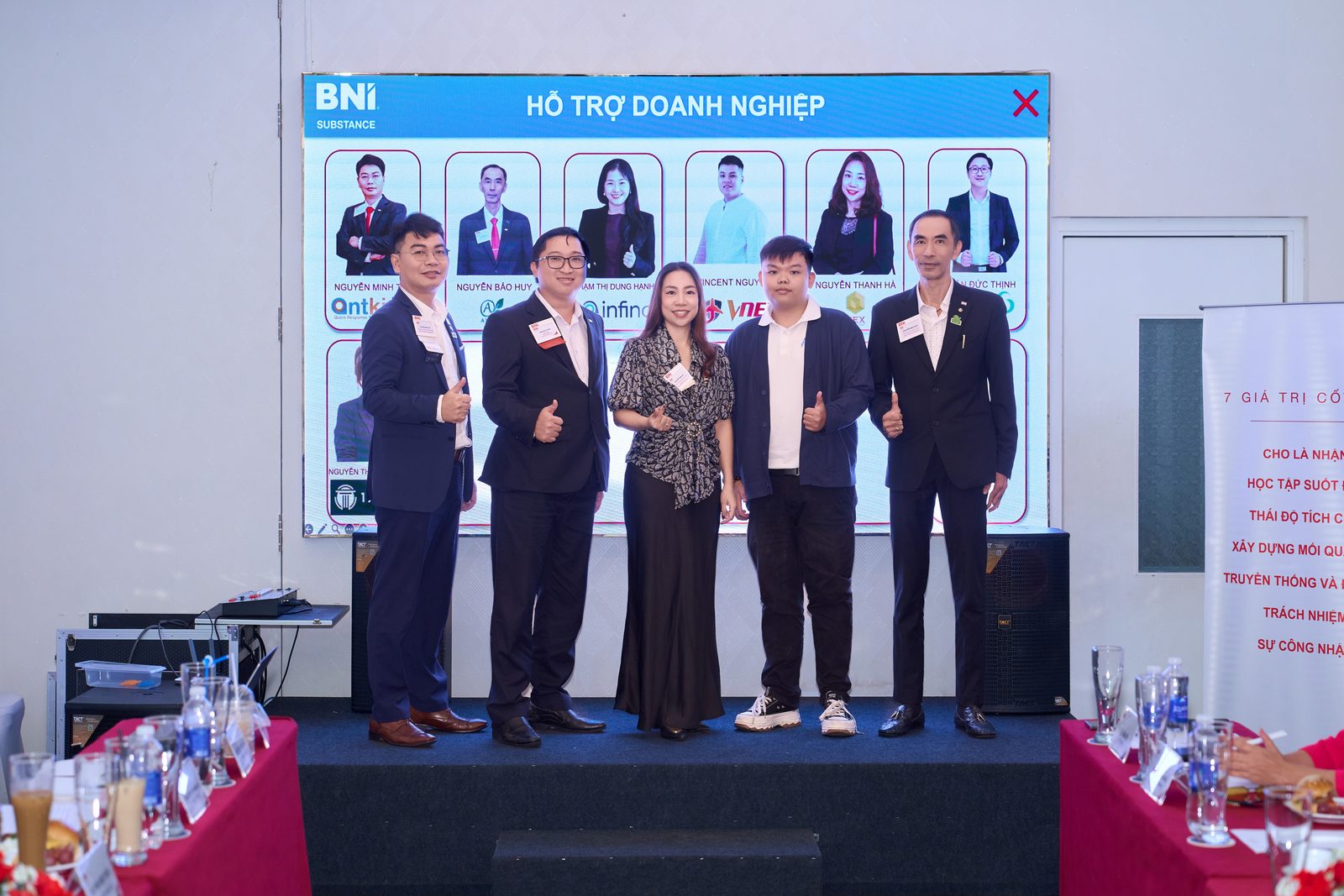
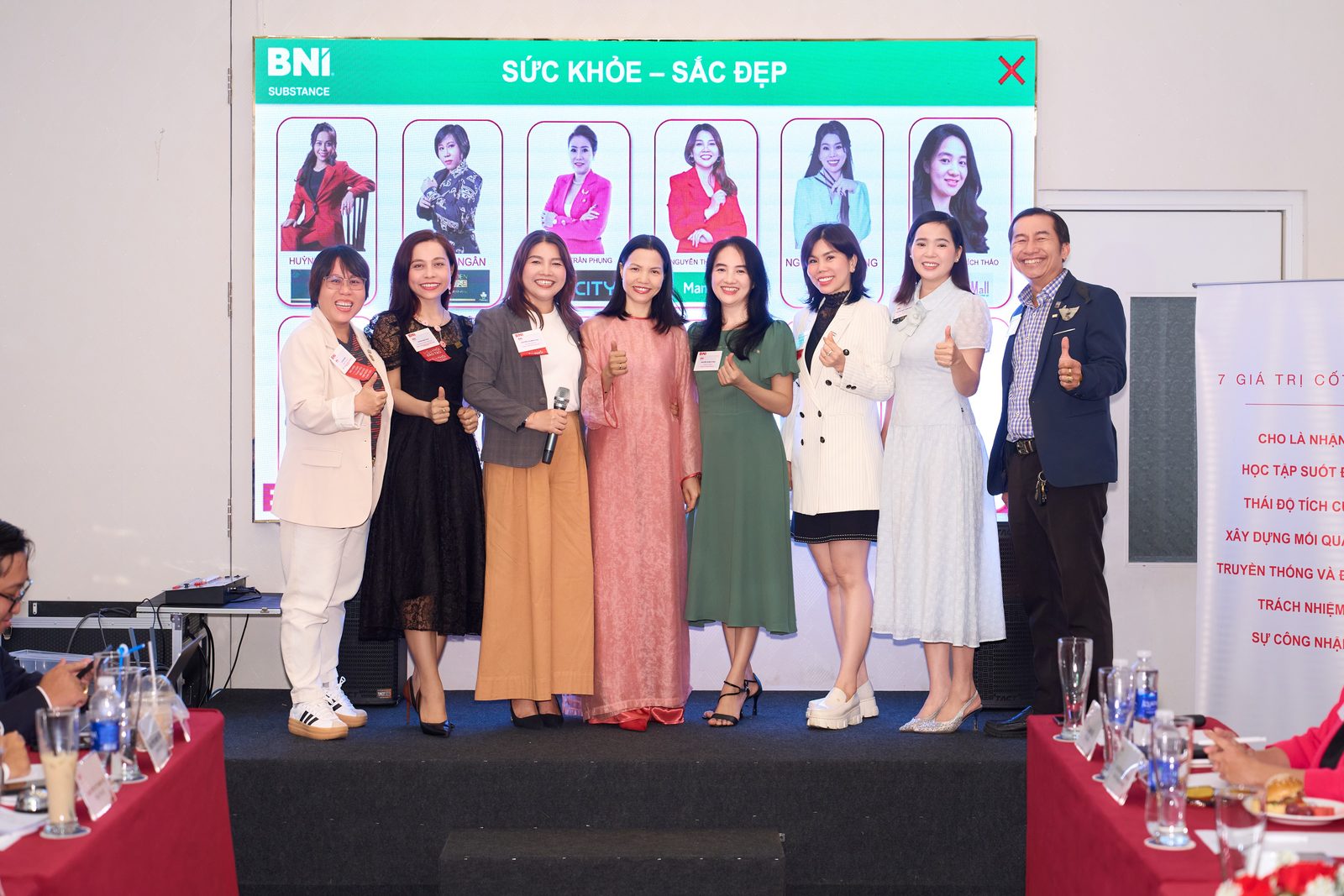
Tiếp đó là phần giới thiệu 30 giây theo từng Power Team — Hỗ trợ Doanh nghiệp, Sức khỏe & Sắc đẹp, Xây dựng – Bất động sản – Sản xuất. Mỗi thành viên nói rõ ngành nghề, khách hàng lý tưởng và nhu cầu kết nối trong tuần, giúp cả phòng họp biết chính xác có thể giúp nhau bằng cách nào.
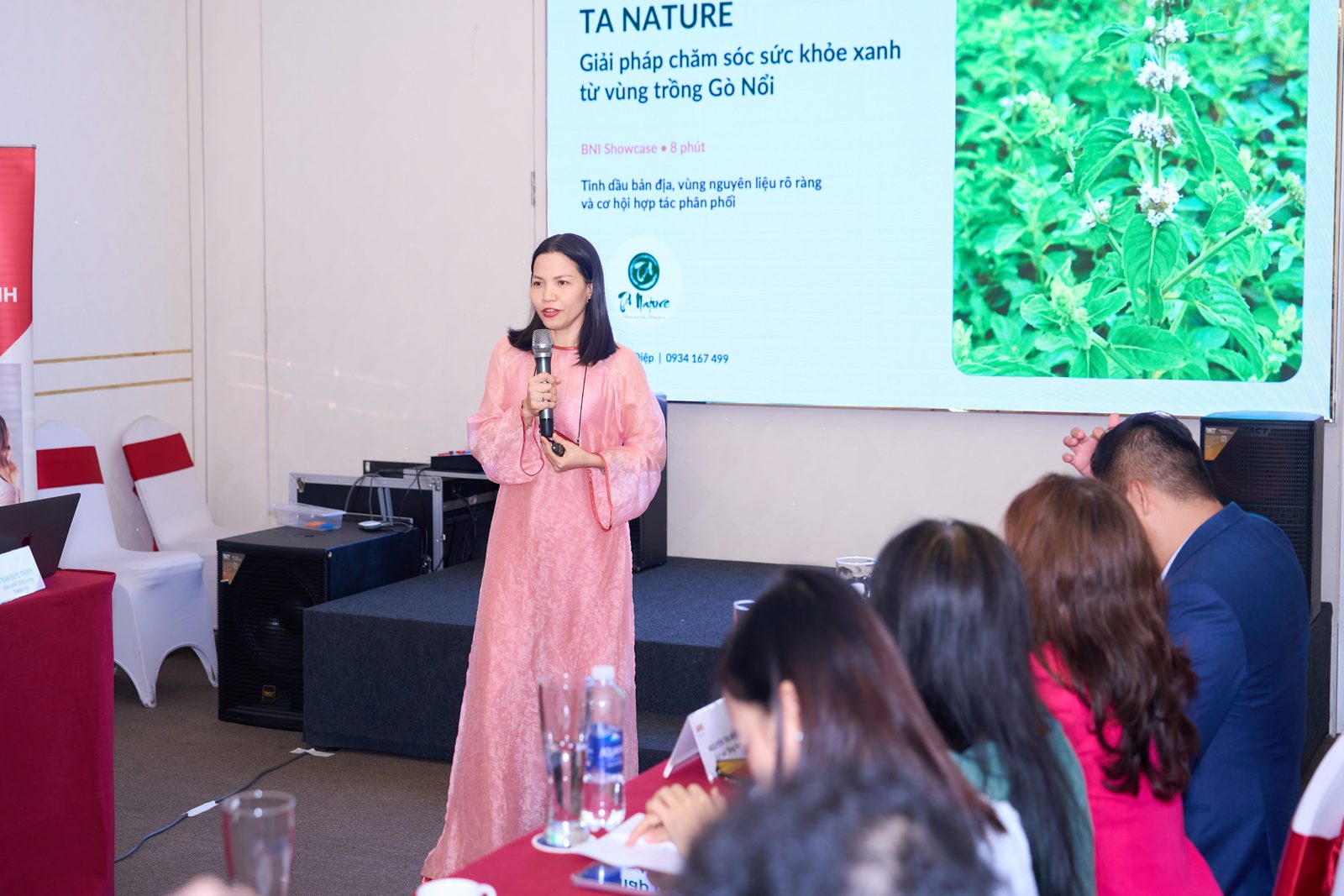
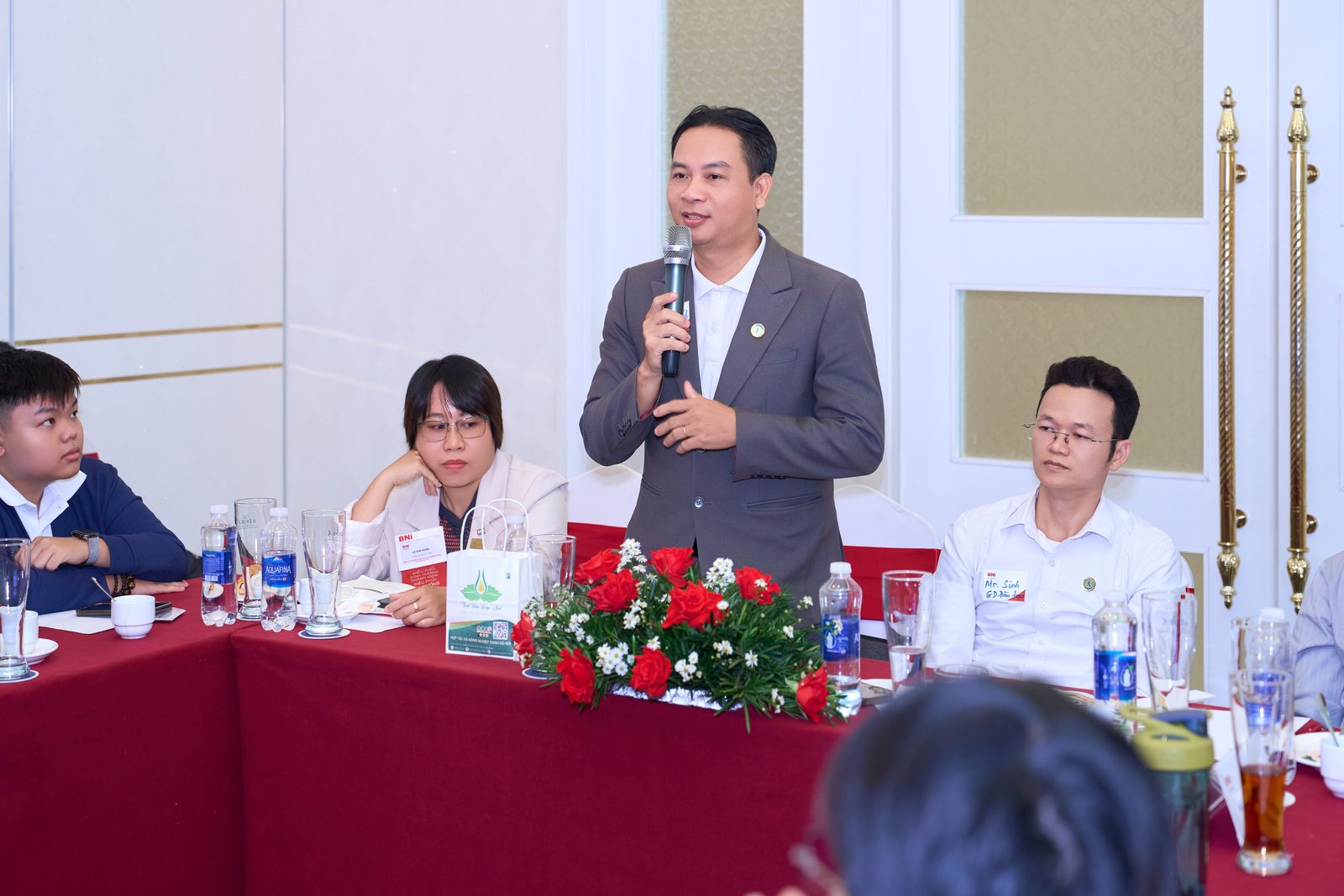
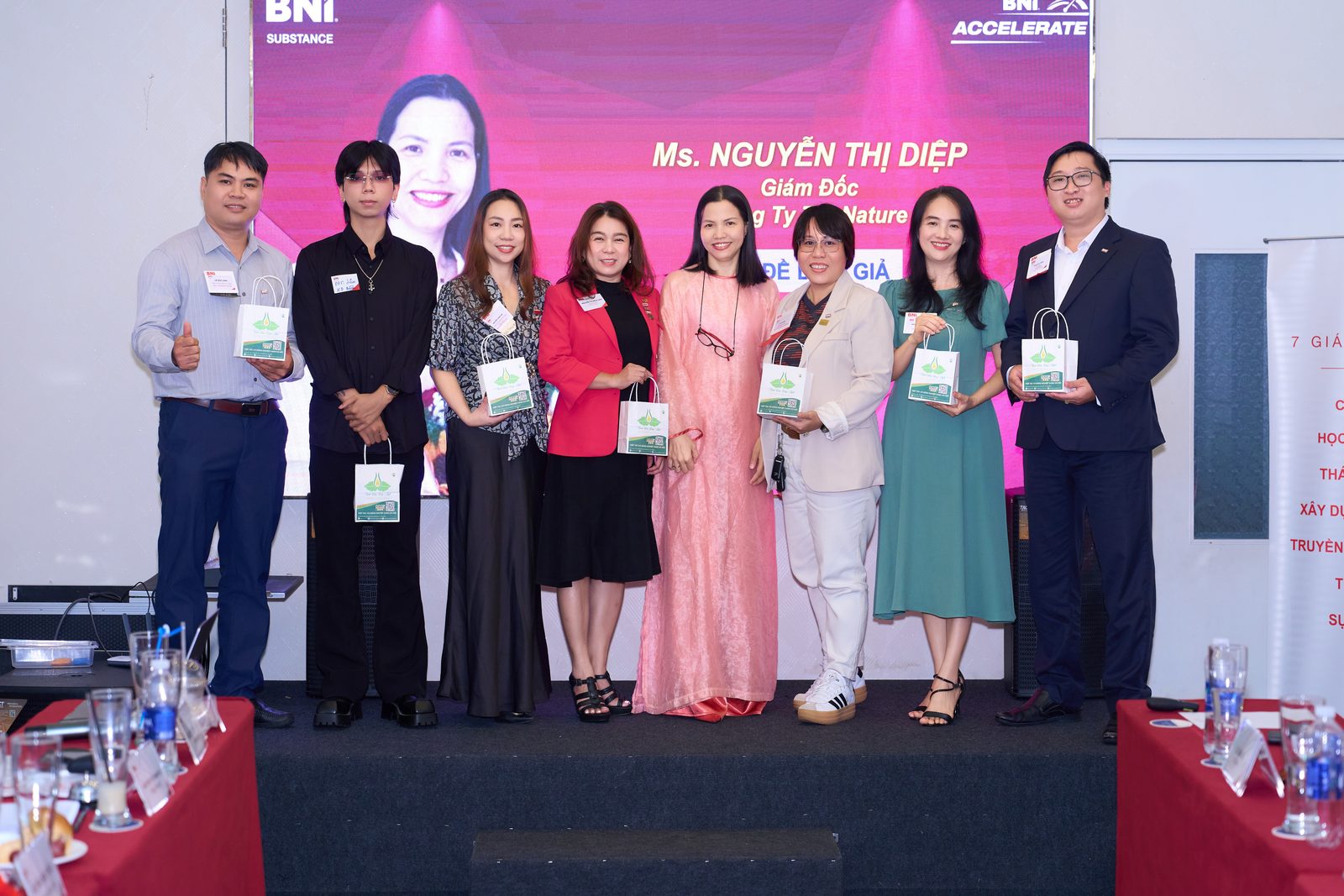
Feature Presentation: TA Nature — giải pháp chăm sóc sức khỏe xanh từ vùng trồng Gò Nổi
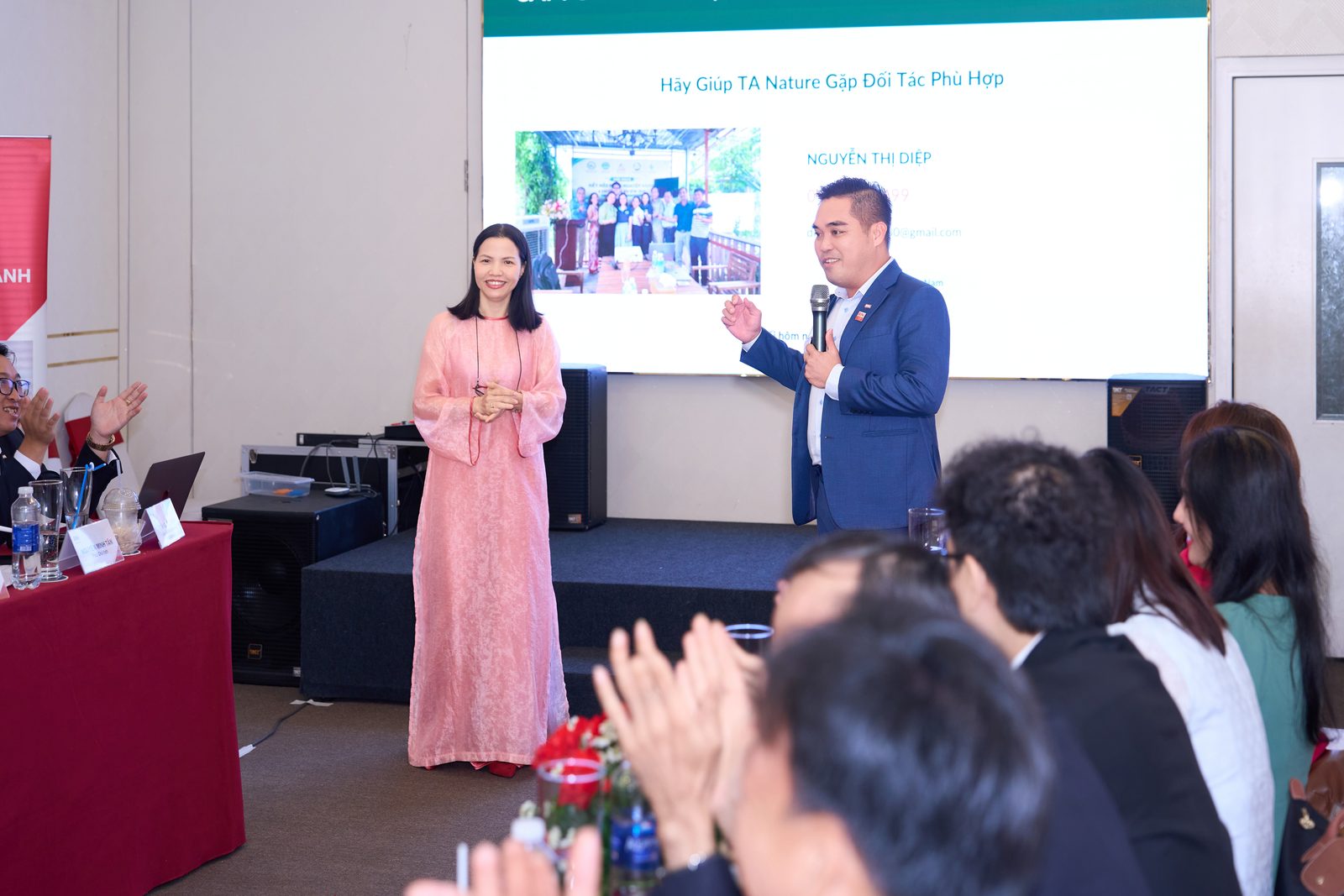
Điểm nhấn của buổi họp là phần Feature Presentation của Ms. Nguyễn Thị Diệp — Giám đốc Công ty T.A Nature, với chủ đề “Giải pháp chăm sóc sức khỏe xanh từ vùng trồng Gò Nổi”.
Diễn giả bắt đầu từ ba vấn đề rất quen thuộc của người tiêu dùng hôm nay: lạm dụng hương liệu tổng hợp và hóa chất tạo mùi trong không gian sống; căng thẳng kéo dài mà thiếu giải pháp thư giãn tự nhiên, an toàn ngay tại nhà; và một thị trường “vàng thau lẫn lộn” khiến khách hàng khó tìm được tinh dầu thật, nguyên chất với giá trị tương xứng.
Câu trả lời của TA Nature là một chuỗi giá trị có thể kể lại từ đầu đến cuối: vùng trồng chủ động → chưng cất gần vùng nguyên liệu → sản phẩm dễ dùng, dễ tư vấn → đồng hành cùng đối tác bán hàng. Thông điệp cốt lõi: rõ nguồn gốc, đúng công dụng, thuận lợi hợp tác.
- 9 ha vùng nguyên liệu tại Gò Nổi: sả 2 ha, tràm trà 2 ha, bạc hà 5 ha
- Khả năng cung ứng khoảng 20–30 lít tinh dầu mỗi tháng
- Bạc hà Gò Nổi có hàm lượng tinh chất chính 69,4%, cao gấp đôi so với nhiều vùng dược liệu khác
- Sản phẩm đạt chuẩn OCOP 3 sao — nền tảng để đối tác tự tin tư vấn và truyền thông
Phần quan trọng nhất với Chapter là TA Nature nói rõ mình muốn gặp ai: spa – homestay – khách sạn cần sản phẩm trải nghiệm và quà tặng; nhà thuốc và cửa hàng muốn mở rộng điểm bán có tư vấn; doanh nghiệp tìm quà tặng xanh mang câu chuyện địa phương; và nhà phân phối muốn phủ thị trường theo khu vực.
Cách hợp tác cũng được thiết kế để bắt đầu nhẹ nhàng: thử nghiệm trong 30 ngày, theo dõi sức mua và phản hồi, rồi mới mở rộng danh mục hoặc phân phối theo kênh và khu vực. Đây là kiểu đề nghị hợp tác rất dễ để thành viên giới thiệu cho khách hàng của mình.
Khách mời và những kết nối đầu tiên
Các khách mời cũng có phần giới thiệu riêng: tên doanh nghiệp, lĩnh vực kinh doanh, ai là khách hàng của mình và Chapter có thể giúp được gì. Đây thường là nơi những kết nối đầu tiên hình thành, và cũng là lúc các thành viên nhận ra mình có thể trao đi cơ hội nào.
Kết nối và lan toả giá trị
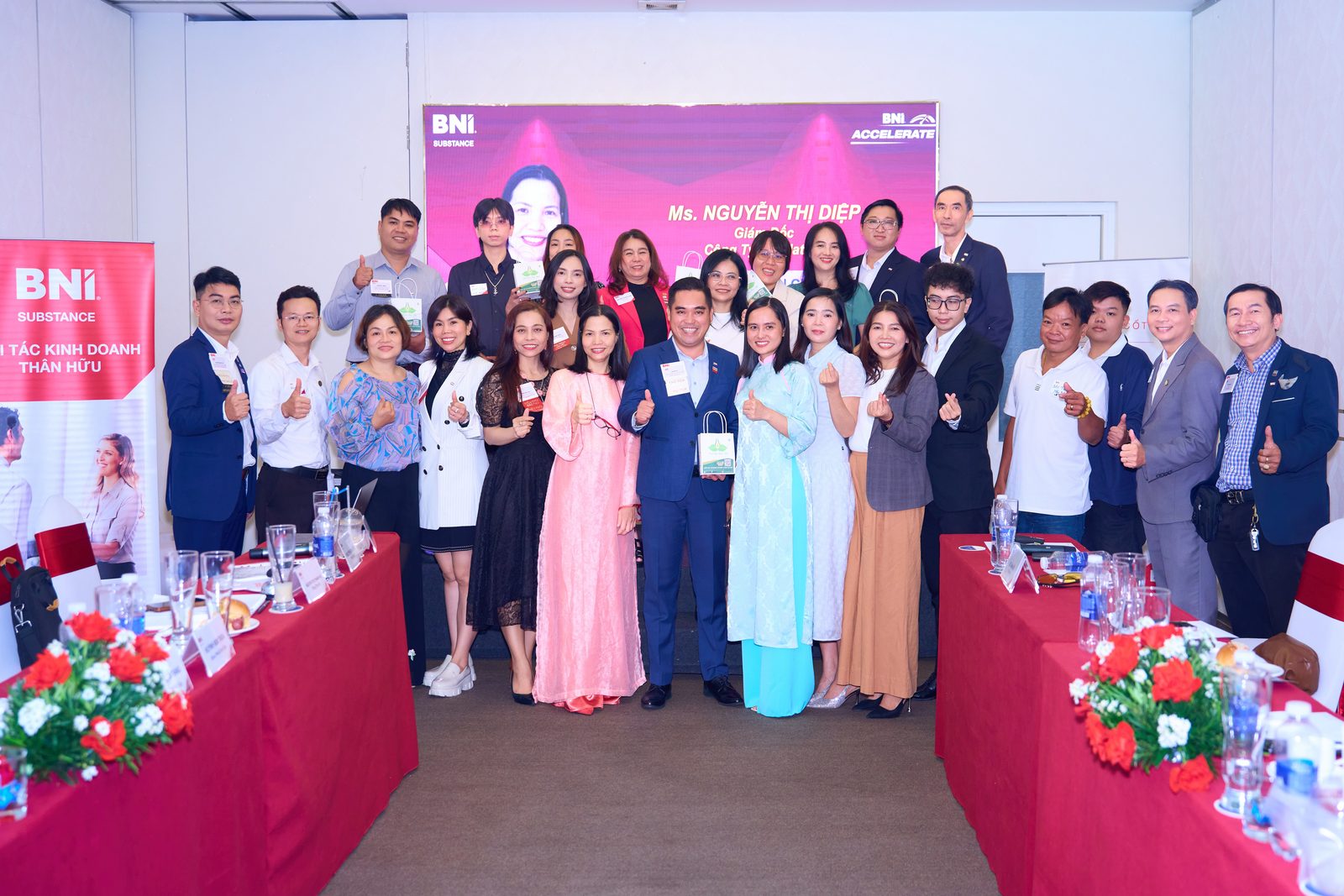
Khép lại buổi họp là phần cảm ơn khách mời và chụp ảnh lưu niệm. Với tinh thần Givers Gain® — Cho là Nhận, BNI Substance Chapter tiếp tục là nơi các chủ doanh nghiệp học hỏi, mở rộng tư duy và tìm được những đối tác đáng tin cậy. Chapter cũng nhắc lại chương trình APAC SME’s Expo 2026 do BNI APAC tổ chức tại TP.HCM.
Thông tin liên hệ
BNI Substance Chapter trân trọng cảm ơn hai diễn giả, các thành viên và toàn thể khách mời đã đồng hành. Chapter sinh hoạt định kỳ sáng Thứ Năm hàng tuần, 07:30 – 10:30, tại Trung tâm Hội nghị Tiệc cưới Adora Legend, 32 Hoàng Việt, P. Tân Sơn Nhất, TP.HCM.
Đăng ký tham dự: 0989.212.273 (Ms. Minh Thư) · Chủ tịch Chapter: Mr. Lê Văn Vũ · Giám đốc Tăng trưởng: Mr. Alan Nguyen.
Sáng Thứ Năm, ngày 17/09/2026, tại Trung tâm Hội nghị Tiệc cưới Adora Legend (32 Hoàng Việt, P. Tân Sơn Nhất, TP.HCM), BNI Substance Chapter (thuộc BNI HCM West) đã tổ chức buổi Kết nối Kinh doanh định kỳ với sự tham dự của 30 chủ doanh nghiệp là thành viên và khách mời. Không khí buổi họp ấm áp, chuyên nghiệp và đậm tinh thần hợp tác của BNI.
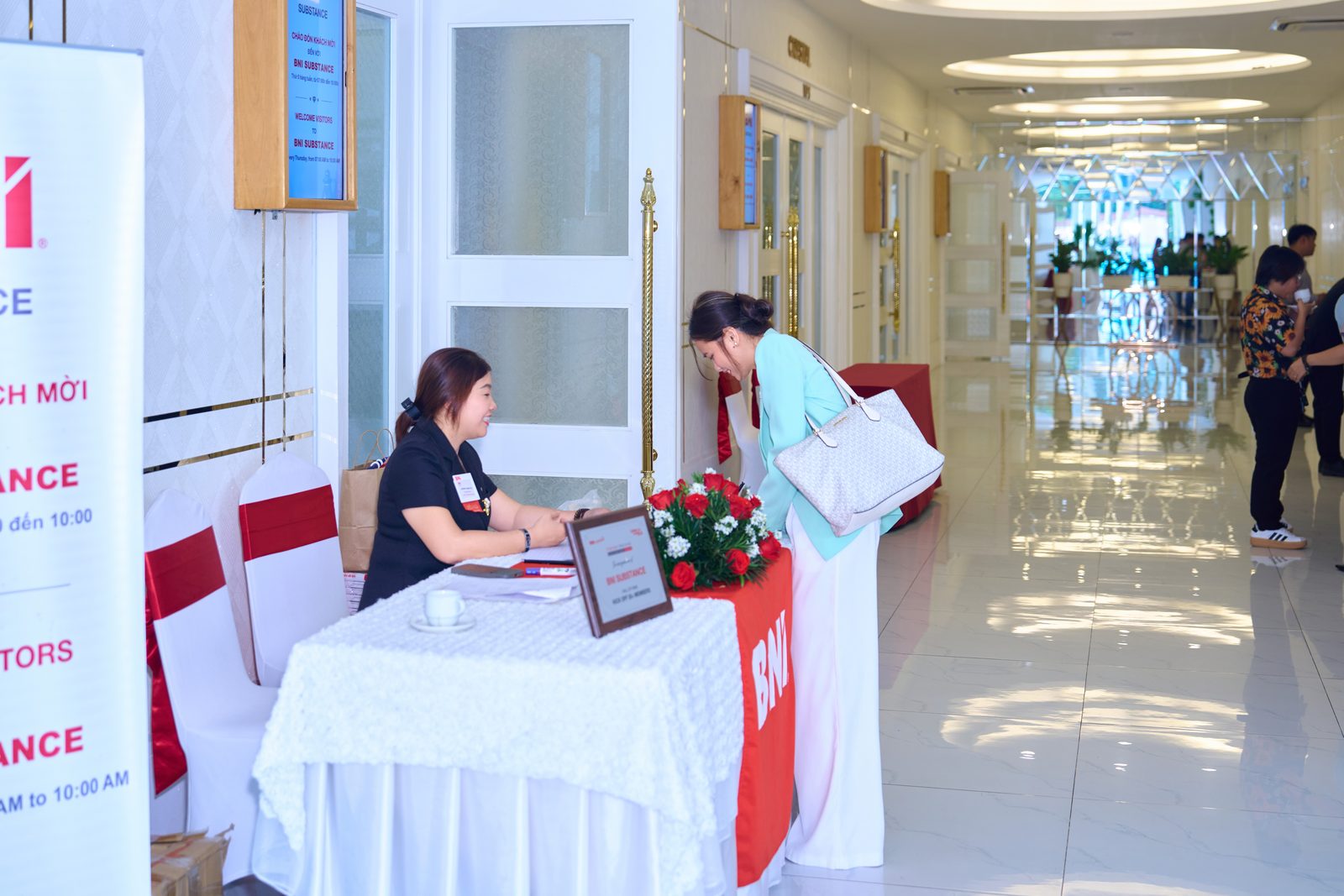
Giao lưu mở: mỗi cái bắt tay là một cơ hội
Từ 07:30, phiên Giao lưu mở đã diễn ra sôi nổi. Các thành viên và khách mời trao danh thiếp, giới thiệu ngắn về doanh nghiệp và tìm kiếm điểm chung để hợp tác. Với BNI, đây không chỉ là thời gian làm quen — mỗi cuộc trò chuyện đều có thể mở ra một mối quan hệ kinh doanh lâu dài.
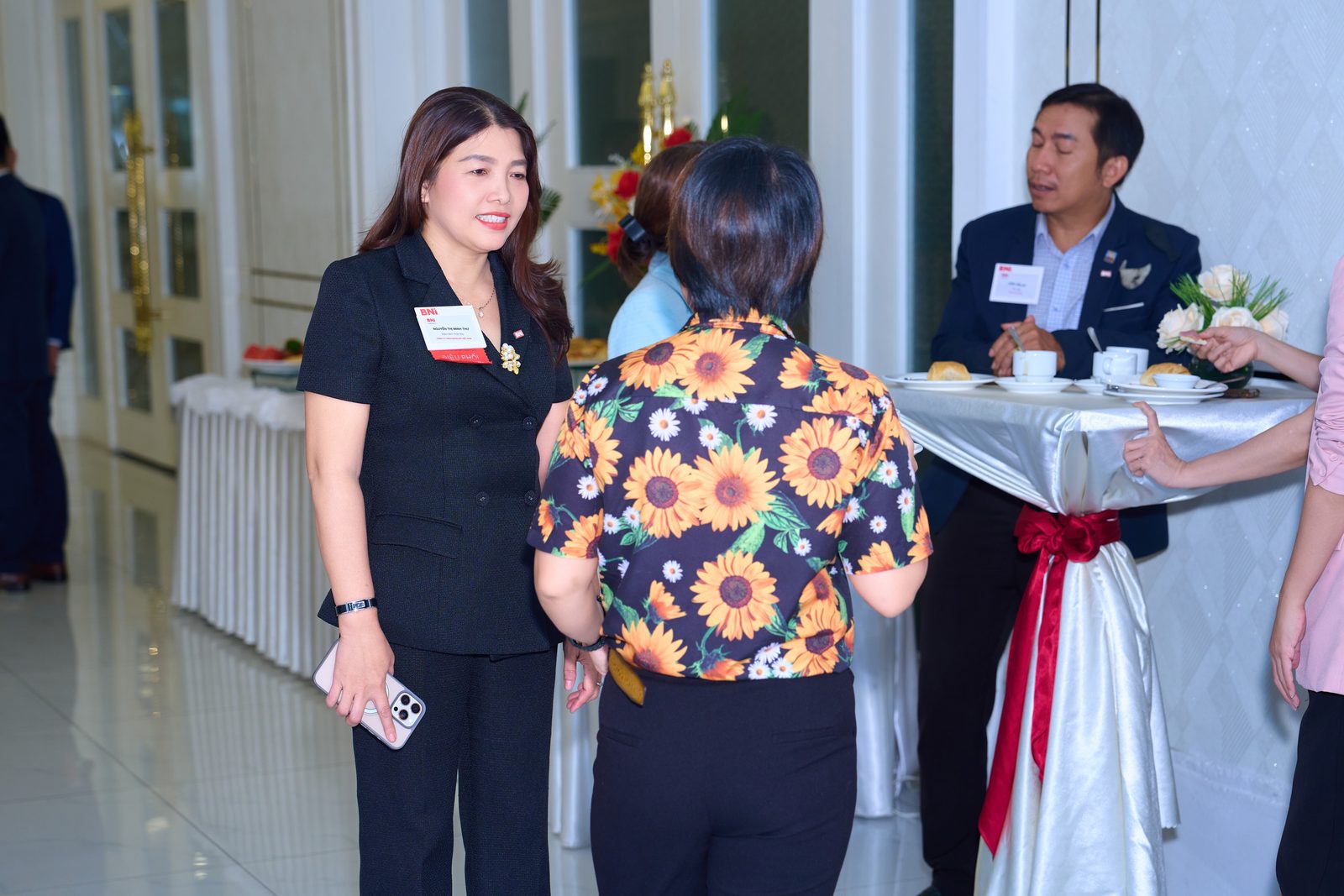
Chia sẻ kỹ năng: “Gieo giá trị – Hút quan hệ – Gặt cơ hội”
Phần chia sẻ kỹ năng xây dựng mối quan hệ kinh doanh do Mr. Nguyễn Minh Tân — Chủ tịch AntKing Group trình bày, với chủ đề “Gieo giá trị – Hút quan hệ – Gặt cơ hội”.
Diễn giả đặt lại thứ tự quen thuộc mà nhiều người vẫn làm: muốn cơ hội, tìm quan hệ, rồi mới chứng minh giá trị. Theo anh, cách bền vững thì ngược lại — gieo giá trị trước, niềm tin được xây lên, và cơ hội tự mở ra. Giá trị không nhất thiết phải lớn: một kết nối đúng người, một thông tin đúng lúc, một lời giới thiệu rõ nhu cầu, hay một hành động hỗ trợ thật lòng.
Anh cũng nhấn mạnh rằng referral là kết quả của niềm tin, bởi người giới thiệu đang đặt uy tín của họ vào tay chúng ta. Và niềm tin được vun bồi bằng những việc rất cụ thể: có mặt, giữ lời, lắng nghe và cho đi nhất quán. Phần chia sẻ khép lại bằng một công cụ thực hành cho tuần mới:
- 1 người cần được mình hiểu sâu hơn
- 1 giá trị mình chủ động trao đi
- 1 hành động theo sát đến cùng
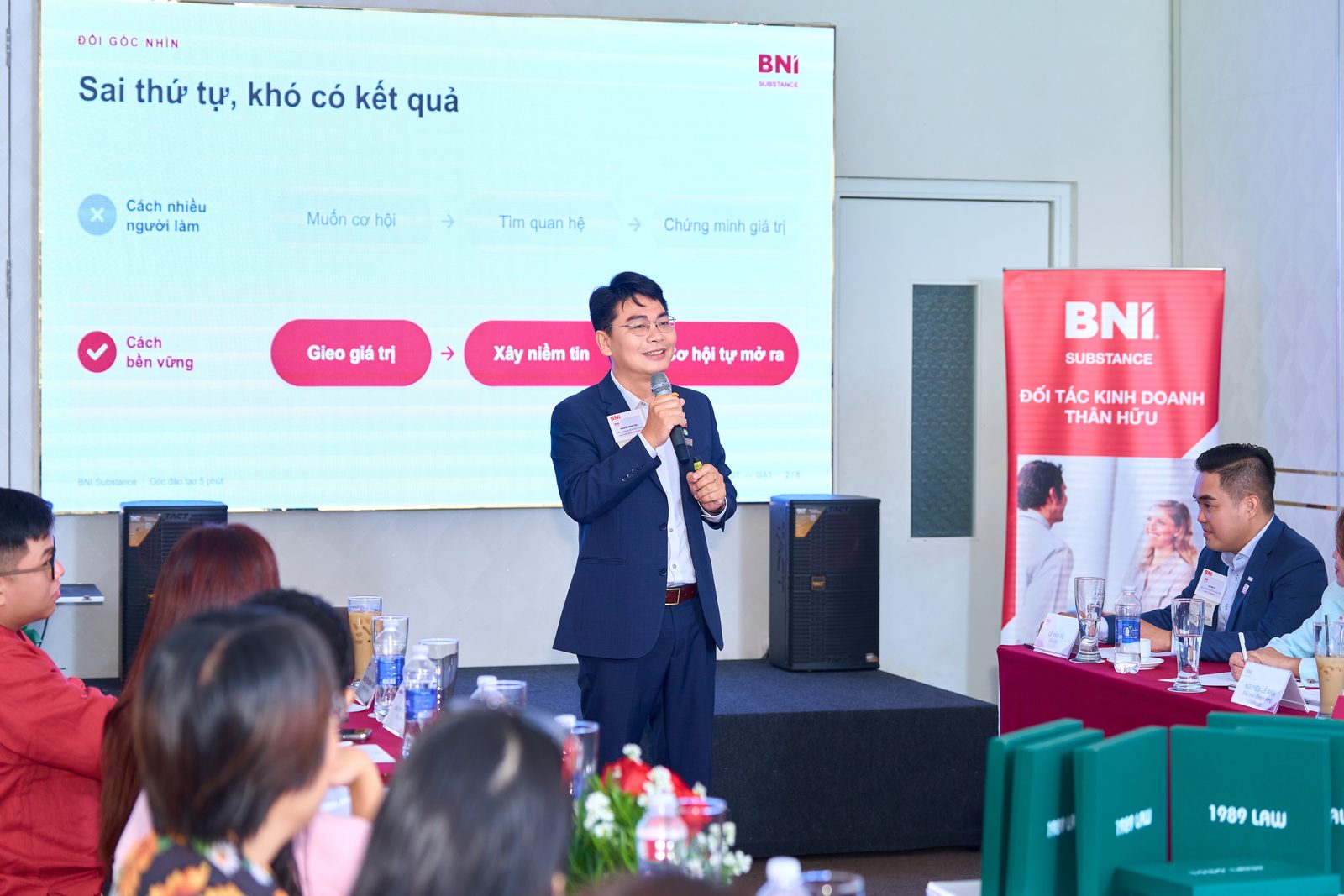
Vinh danh thành viên và phần giới thiệu 30 giây
Chapter đã vinh danh các thành viên xuất sắc trong Tuần 41:
- Trần Đức Thịnh (Thiên Kim Corp) — Khách mời nhiều nhất: 08 khách mời
- Lê Văn Vũ (Trend Realty) — TYFCB nhiều nhất: 16.800.000đ
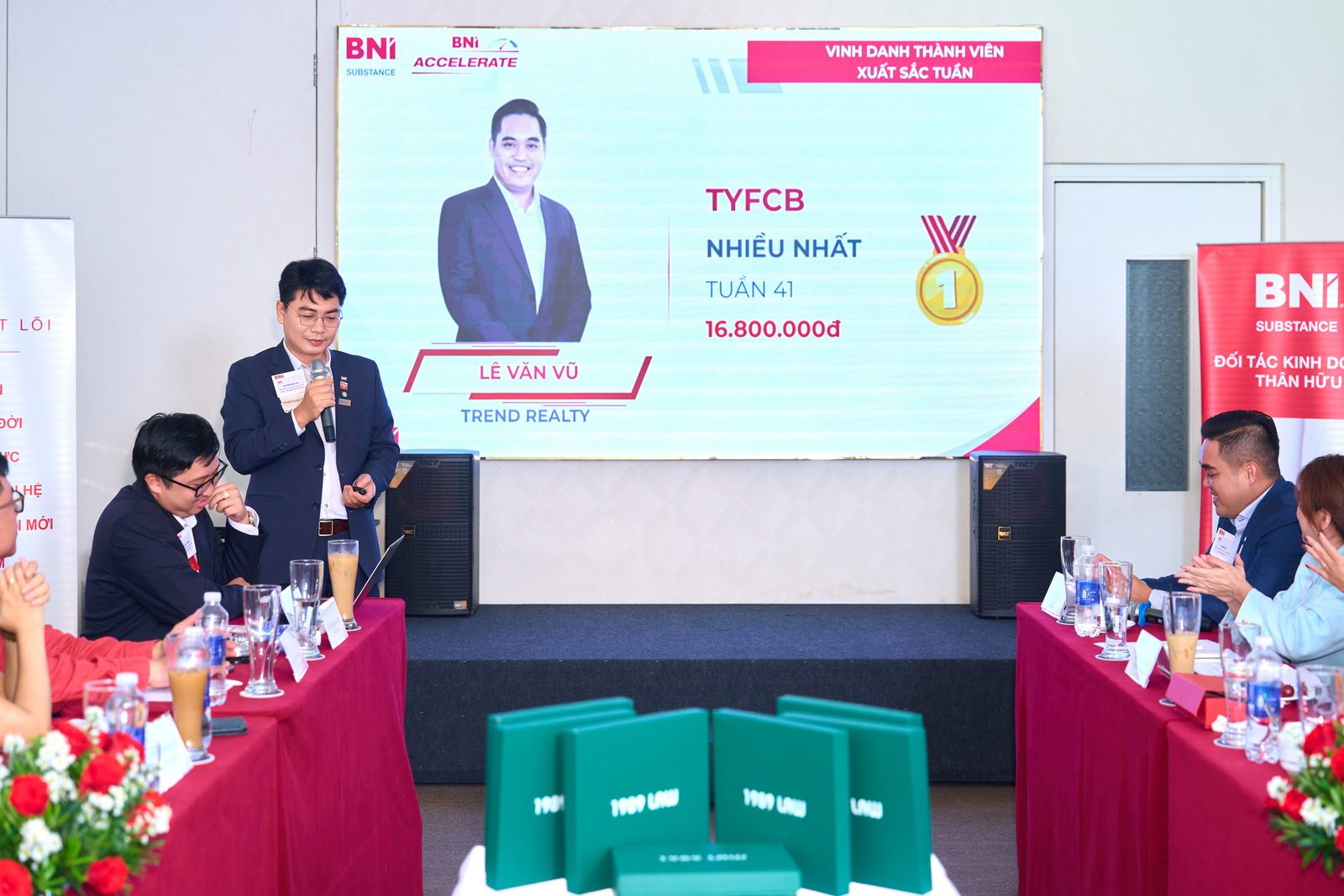
Lễ tái gia nhập: một năm đồng hành bằng những con số
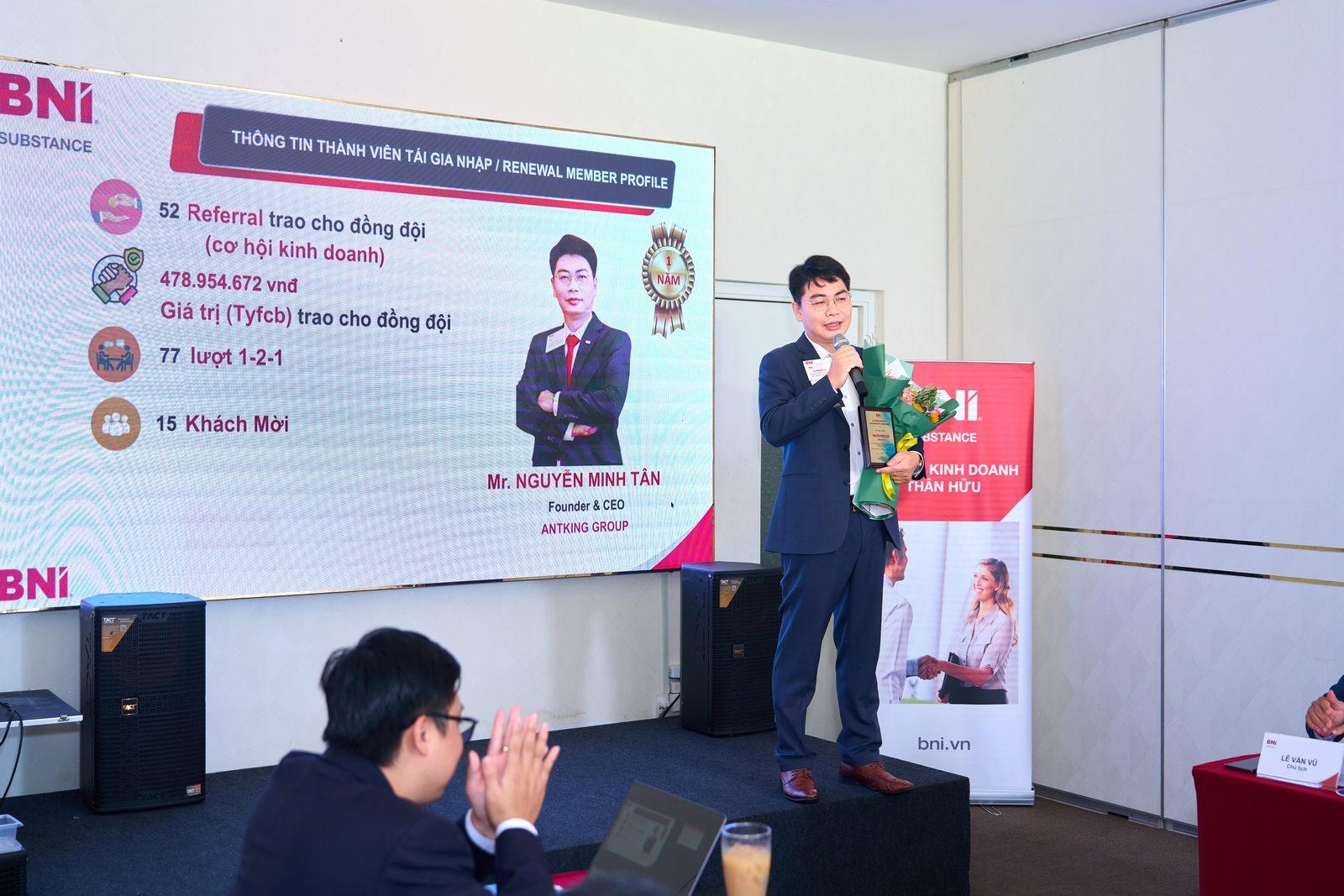
Một phần trang trọng khác của buổi họp là lễ tái gia nhập của Mr. Nguyễn Minh Tân — Founder & CEO ANTKING Group, đánh dấu tròn một năm đồng hành cùng BNI Substance Chapter. Ban lãnh đạo Chapter đã gắn huy hiệu 1 năm thành viên và ghi nhận đóng góp của anh trong nhiệm kỳ vừa qua:
- 52 referral (cơ hội kinh doanh) trao cho đồng đội
- 478.954.672 vnđ giá trị giao dịch (TYFCB) trao cho đồng đội
- 77 lượt 1-2-1
- 15 khách mời giới thiệu về Chapter
Những con số này minh hoạ đúng điều mà phần chia sẻ buổi sáng nói đến: cho đi trước, kết quả đến sau. Tái gia nhập, vì vậy, không chỉ là gia hạn tư cách thành viên mà là cam kết tiếp tục gieo giá trị cho cộng đồng.
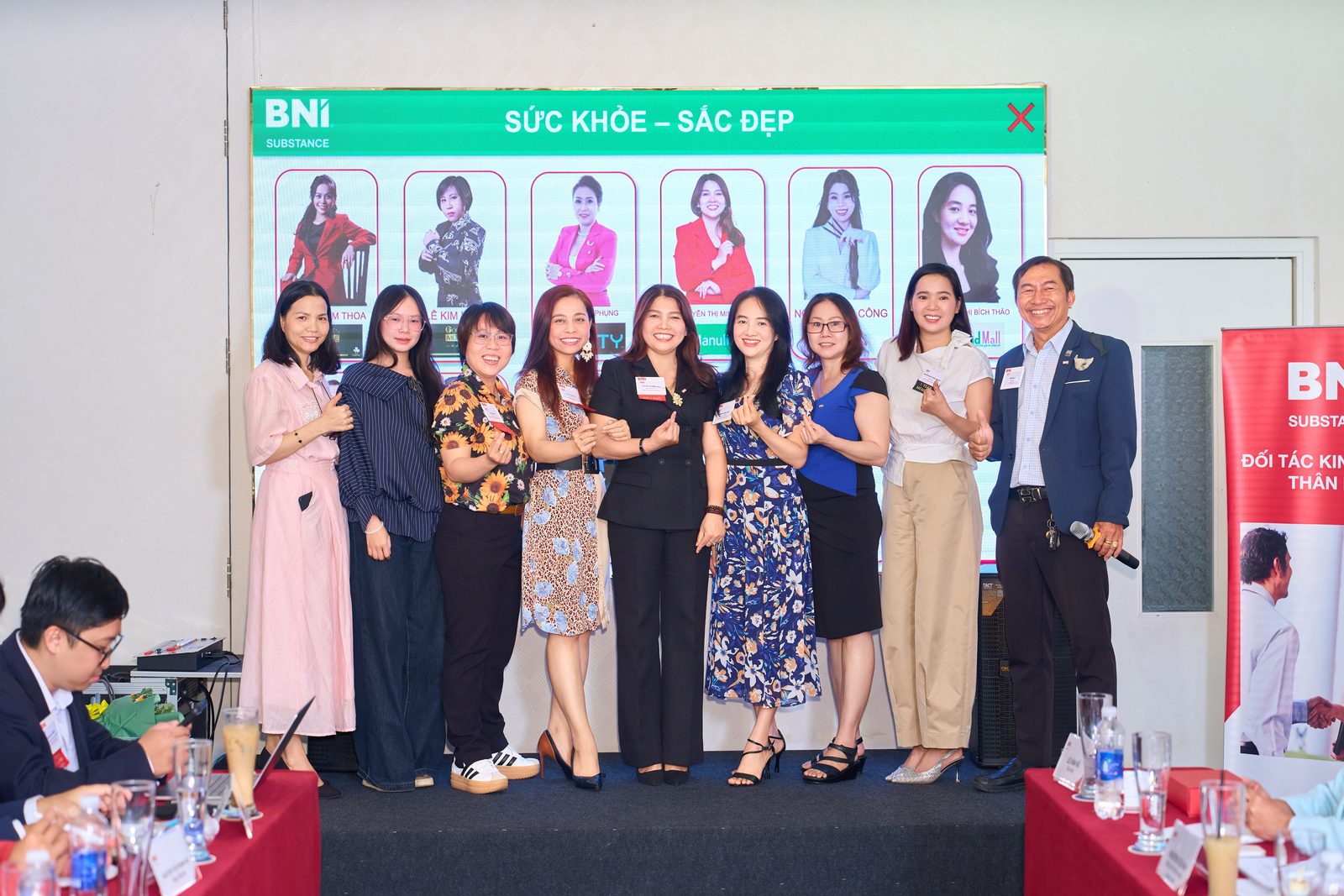
Tiếp đó là phần giới thiệu 30 giây theo từng Power Team — Sức khỏe & Sắc đẹp, Hỗ trợ Doanh nghiệp, Xây dựng – Bất động sản – Sản xuất — nơi mỗi thành viên nói rõ ngành nghề, khách hàng lý tưởng và nhu cầu kết nối trong tuần.
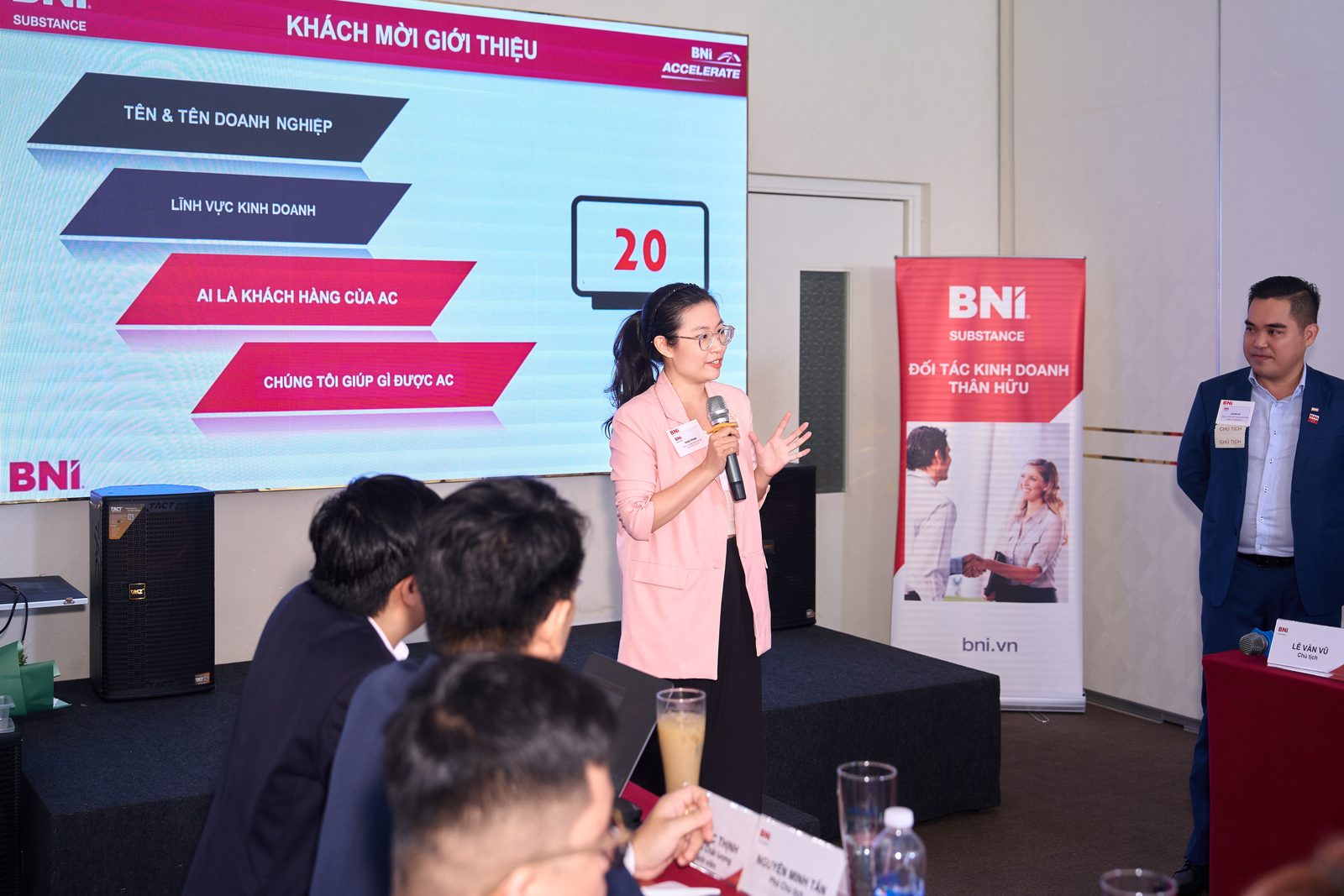
Các khách mời cũng có phần giới thiệu riêng: tên doanh nghiệp, lĩnh vực kinh doanh, ai là khách hàng của mình và Chapter có thể giúp được gì. Đây thường là nơi những kết nối đầu tiên hình thành.
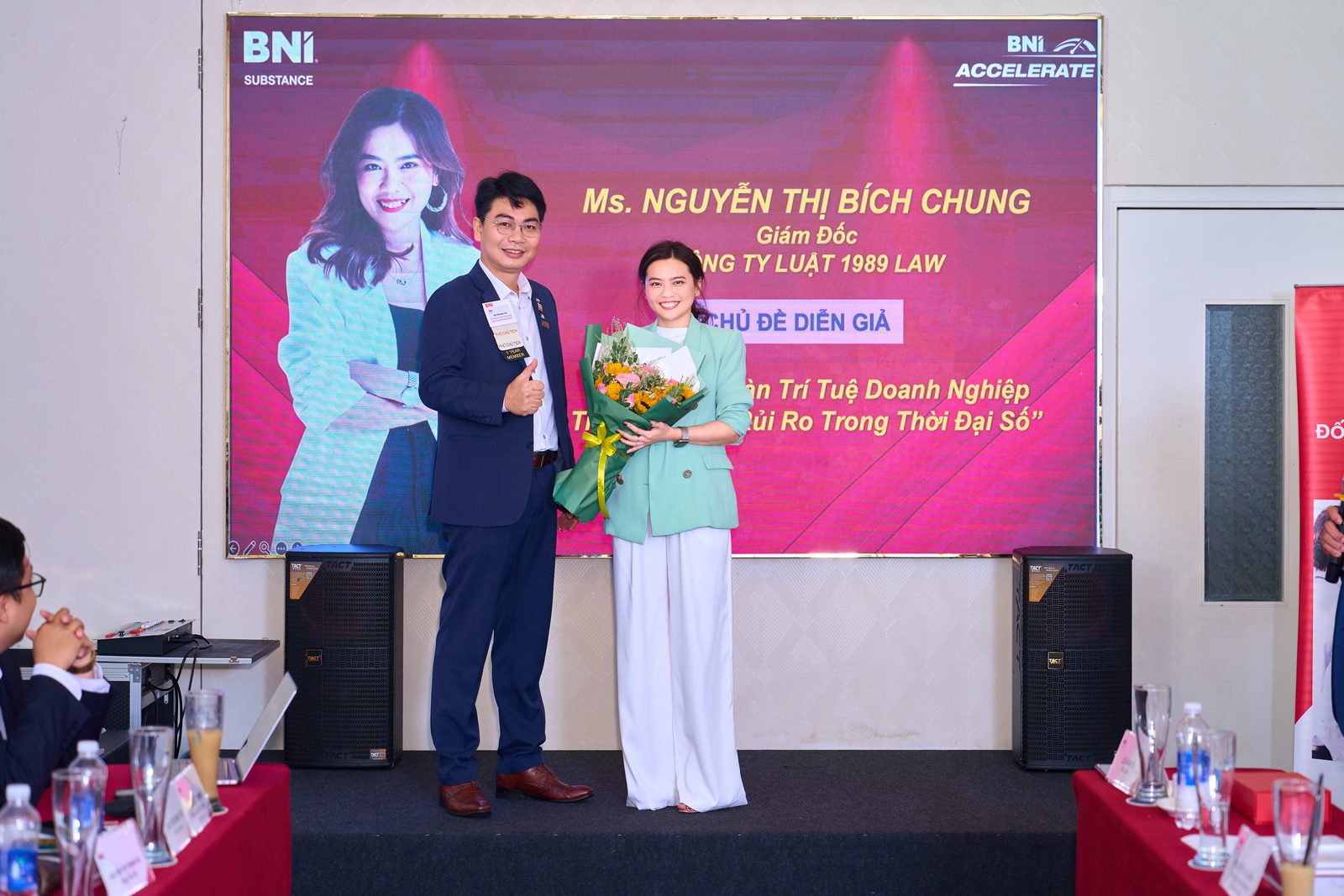
Feature Presentation: Bảo vệ tài sản trí tuệ doanh nghiệp trong thời đại số
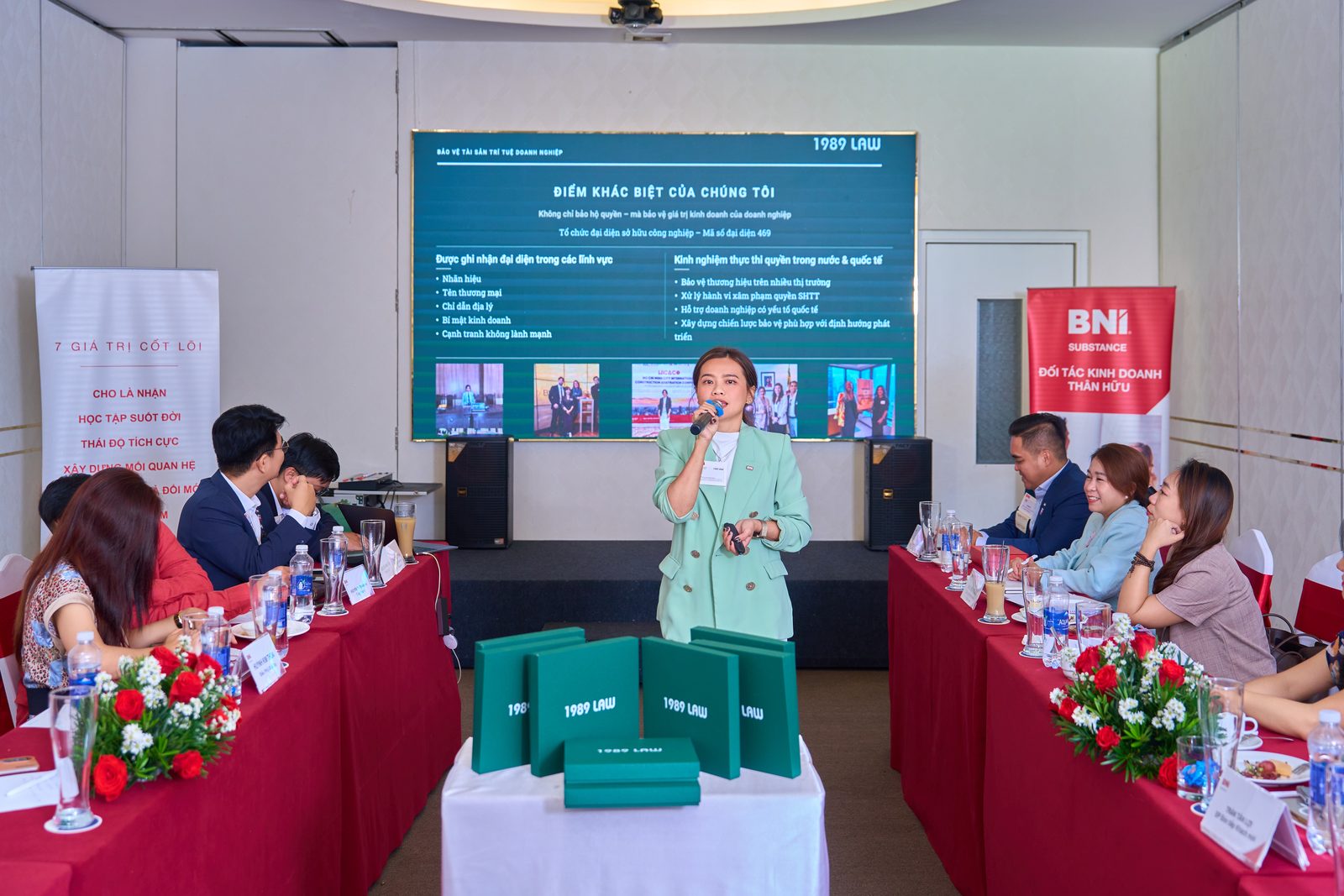
Điểm nhấn của buổi họp là phần Feature Presentation của Ms. Nguyễn Thị Bích Chung — Giám đốc Công ty Luật 1989 Law, với chủ đề “Bảo vệ Tài sản Trí tuệ Doanh nghiệp trước những rủi ro trong Thời đại số”.
Diễn giả mở đầu bằng một thực tế quen thuộc: doanh nghiệp không chỉ tạo ra sản phẩm để bán, mà còn tạo ra tài sản trí tuệ — thương hiệu, logo, thiết kế, bao bì, công nghệ, quy trình, phần mềm, bí quyết vận hành. Vấn đề là tạo ra giá trị và sở hữu được giá trị là hai câu chuyện khác nhau. Rủi ro lớn nhất không nằm ở lúc khởi đầu, mà xuất hiện khi thương hiệu đã có giá trị: mất quyền sử dụng thương hiệu đã xây nhiều năm, logo và thiết kế bị sao chép, bí quyết bị khai thác bởi bên khác.
Trong thời đại số, lớp rủi ro còn dày thêm: bí mật kinh doanh có thể mất chỉ sau một lần chia sẻ sai; trí tuệ nhân tạo tạo ra rủi ro cả ở đầu vào (dữ liệu, tài liệu mật đưa vào công cụ AI) lẫn đầu ra (nội dung do AI tạo ra có thể chứa yếu tố thuộc quyền của bên thứ ba); mạng xã hội và thương mại điện tử khiến hành vi xâm phạm lan nhanh hơn; tên miền và danh tính trực tuyến cũng trở thành một phần của chiến lược bảo vệ thương hiệu.
Từ đó, Ms. Bích Chung giới thiệu cách quản trị tài sản trí tuệ theo bốn bước:
- IDENTIFY — Xác định tài sản trí tuệ: thương hiệu, thiết kế, công nghệ, dữ liệu, bí quyết kinh doanh
- PROTECT — Thiết lập quyền bảo vệ: đăng ký quyền phù hợp, xác lập quyền sở hữu
- MANAGE — Quản lý trong vận hành: nhân sự, đối tác, khách hàng, quy trình nội bộ
- ENFORCE — Thực thi khi bị xâm phạm: giám sát, xử lý vi phạm, bảo vệ quyền lợi
Thông điệp xuyên suốt: sở hữu trí tuệ không chỉ là việc của bộ phận pháp lý, mà là một phần trong hoạt động quản trị của toàn doanh nghiệp. 1989 Law là tổ chức hành nghề luật sư và là tổ chức đại diện sở hữu công nghiệp tại Việt Nam (mã số đại diện 469), đồng hành cùng doanh nghiệp trong toàn bộ vòng đời tài sản trí tuệ — từ nhận diện, bảo vệ quyền, quản lý khai thác đến xử lý xâm phạm và tranh chấp.
Phần chia sẻ cũng gợi ý rất rõ thời điểm nên kết nối một doanh nghiệp với 1989 Law: khi họ nói “thương hiệu tôi xây mấy năm, giờ mới biết có người đăng ký trước”, khi có bên đang dùng tên hoặc hình ảnh giống thương hiệu của họ, khi họ chuẩn bị mở chi nhánh, ra sản phẩm mới hoặc ra thị trường nước ngoài, hay khi họ thuê ngoài thiết kế logo, làm website và phát triển sản phẩm.
Ký kết hợp tác giữa Trend Realty và 1989 Law
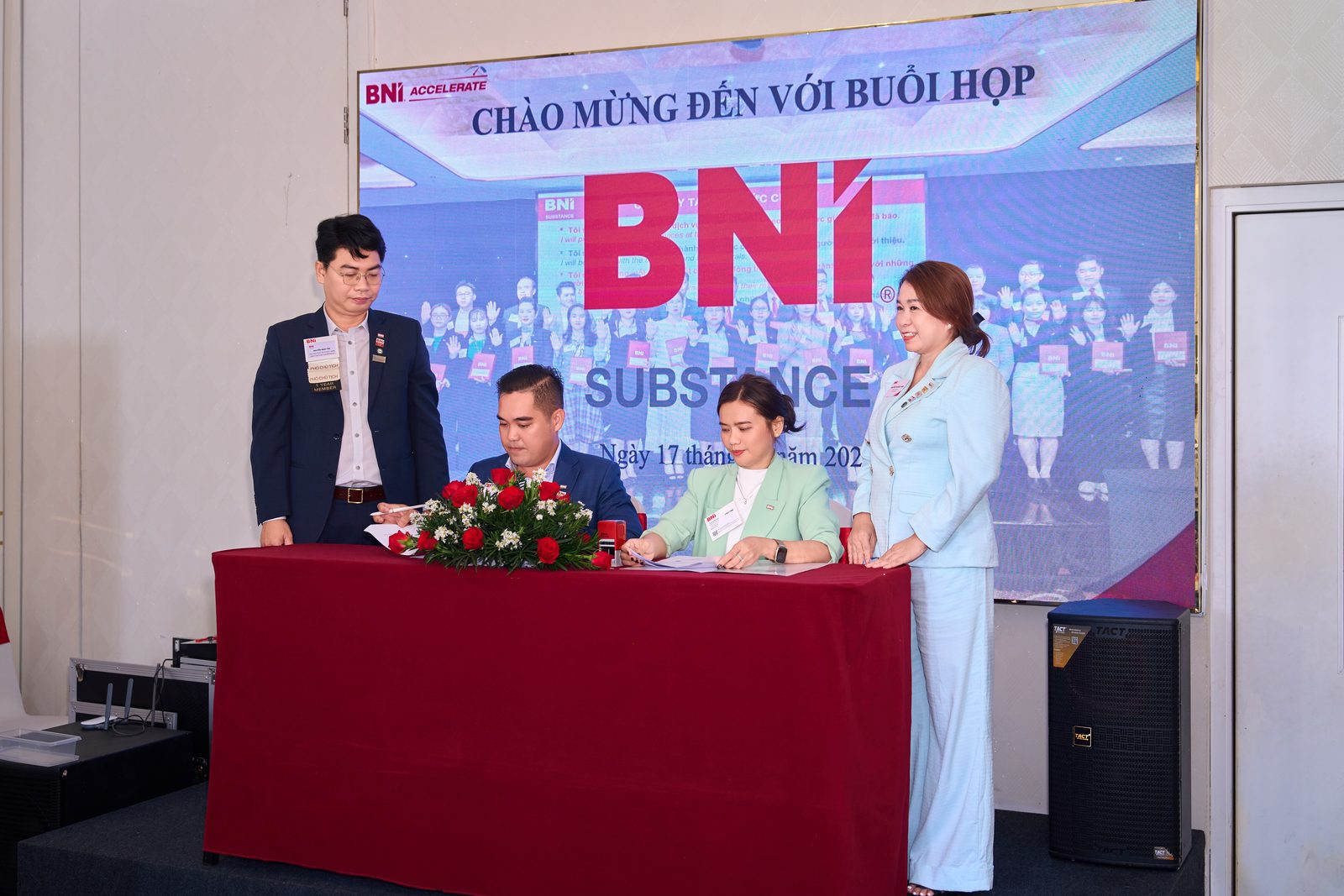
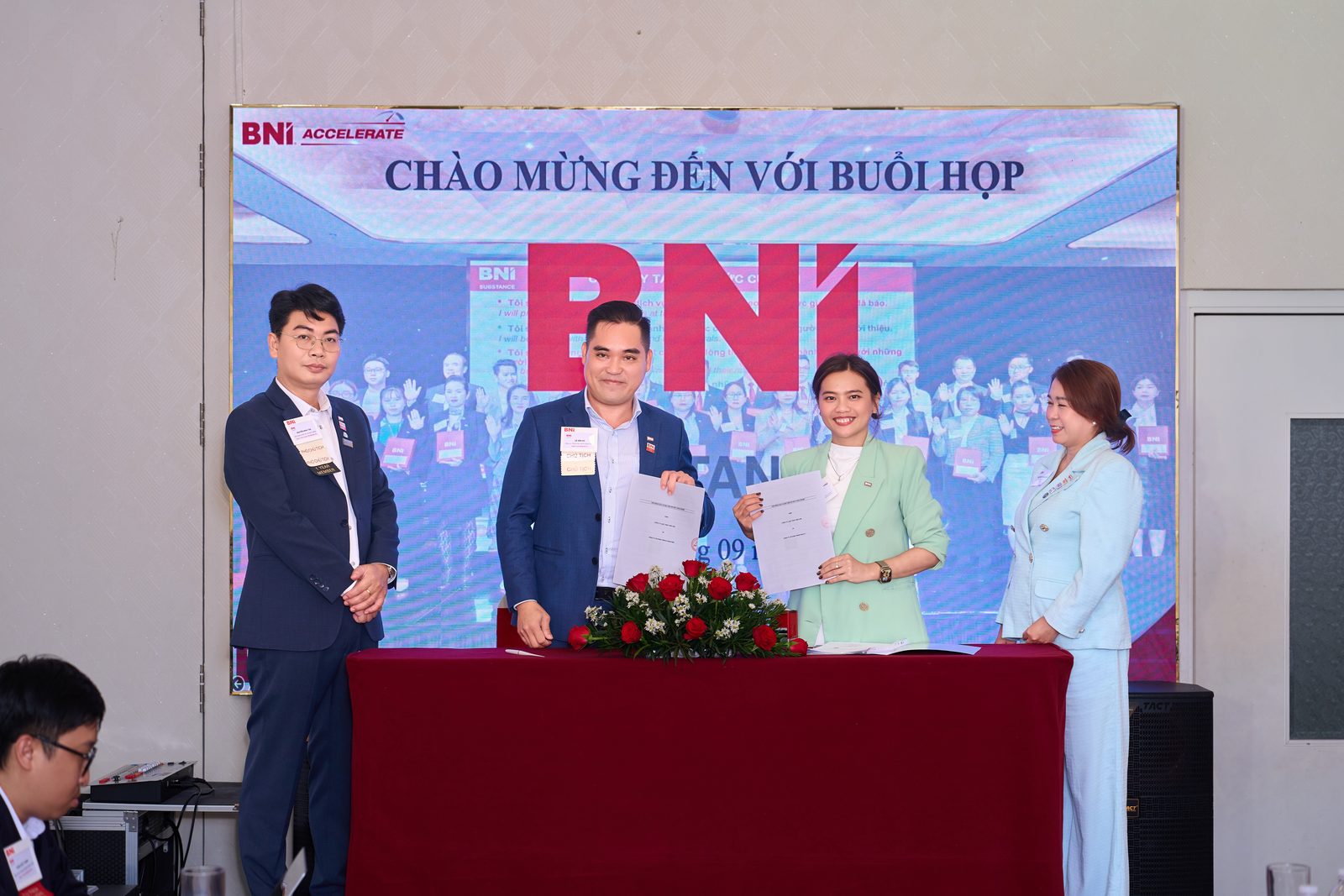
Ngay trong buổi họp, Công ty Trend Realty và Công ty Luật 1989 Law đã ký kết hợp đồng hợp tác trước sự chứng kiến của Ban lãnh đạo và toàn thể thành viên Chapter. Đây là minh chứng rõ ràng nhất cho giá trị của việc kết nối trong BNI: từ những cuộc trò chuyện 1-2-1 và phần giới thiệu trên bàn họp, một quan hệ hợp tác chính thức đã hình thành.
Kết nối và lan toả giá trị
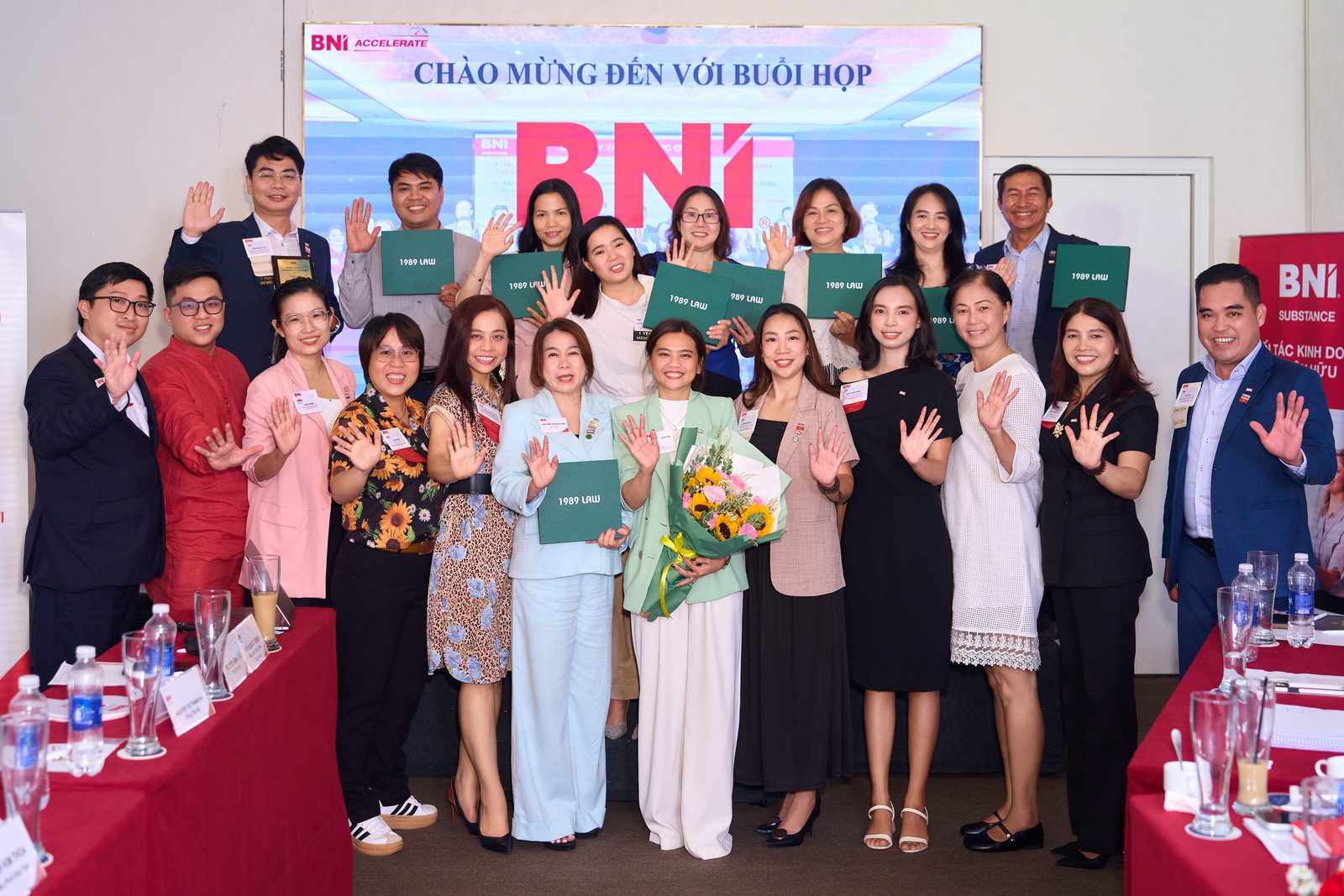
Khép lại buổi họp là phần cảm ơn khách mời và chụp ảnh lưu niệm. Với tinh thần Givers Gain® — Cho là Nhận, BNI Substance Chapter tiếp tục là nơi các chủ doanh nghiệp học hỏi, mở rộng tư duy và tìm được những đối tác đáng tin cậy. Chapter cũng giới thiệu tới thành viên và khách mời chương trình APAC SME’s Expo 2026 do BNI APAC tổ chức tại TP.HCM.
Thông tin liên hệ
BNI Substance Chapter trân trọng cảm ơn hai diễn giả, các thành viên và toàn thể khách mời đã đồng hành. Chapter sinh hoạt định kỳ sáng Thứ Năm hàng tuần, 07:30 – 10:30, tại Trung tâm Hội nghị Tiệc cưới Adora Legend, 32 Hoàng Việt, P. Tân Sơn Nhất, TP.HCM.
Đăng ký tham dự: 0989.212.273 (Ms. Minh Thư) · Chủ tịch Chapter: Mr. Lê Văn Vũ · Giám đốc Tăng trưởng: Mr. Alan Nguyen.
Buổi sáng kết nối của cộng đồng doanh nhân BNI Substance
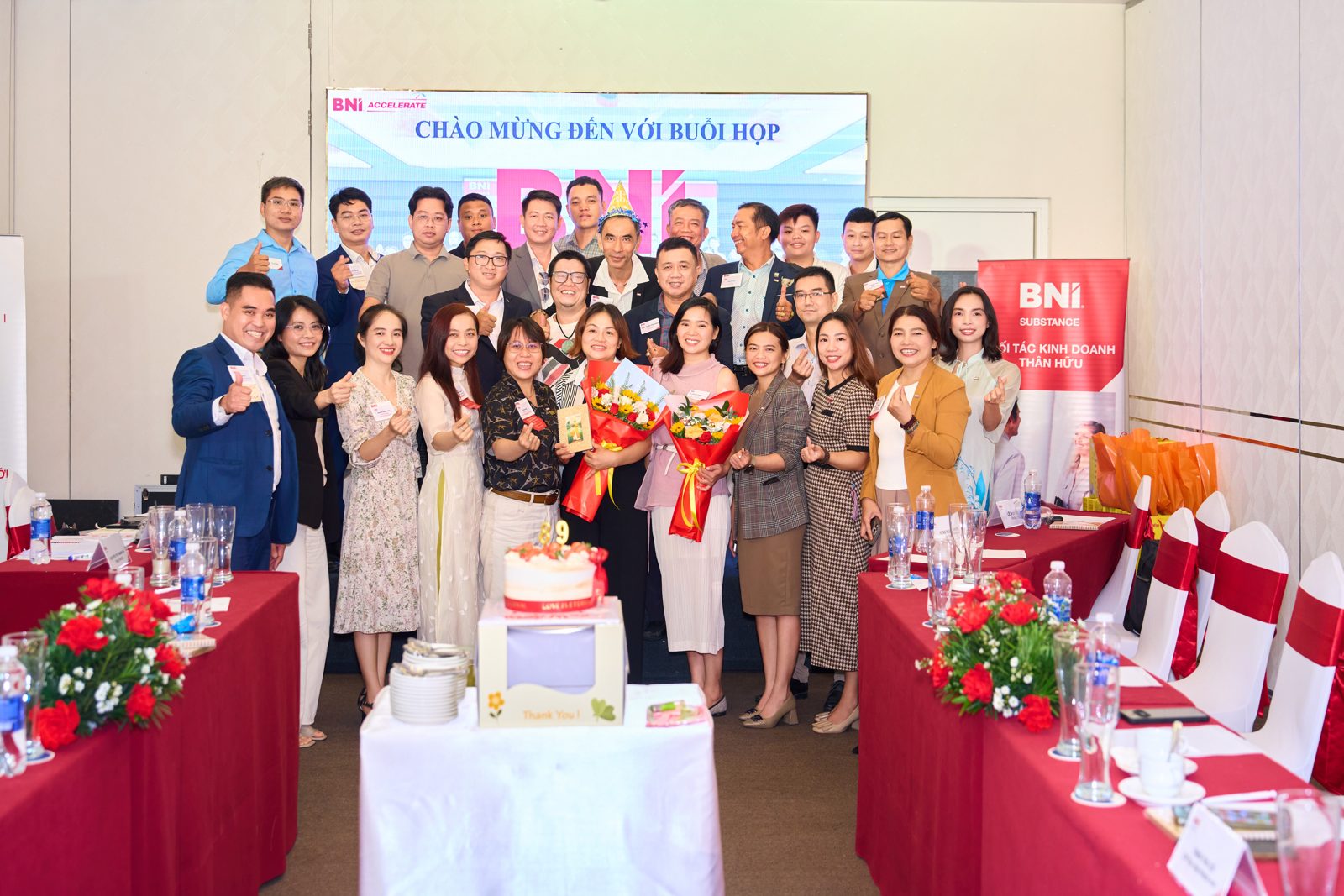
Sáng thứ Năm, ngày 10/09/2026, tại Trung tâm Hội nghị Tiệc cưới Adora Legend (tầng trệt, 32 Hoàng Việt, P. Tân Sơn Nhất, TP.HCM), BNI Substance Chapter – thuộc vùng BNI HCM West – đã tổ chức buổi Kết nối Kinh doanh định kỳ với sự tham dự của 35 chủ doanh nghiệp thành viên và khách mời.
Từ 07:30, khu vực đón khách đã nhộn nhịp. Không khí ấm áp nhưng vẫn giữ trọn sự chuyên nghiệp – đúng tinh thần mà BNI Substance theo đuổi: đến với nhau bằng thiện chí hợp tác, ra về với những cơ hội kinh doanh cụ thể.
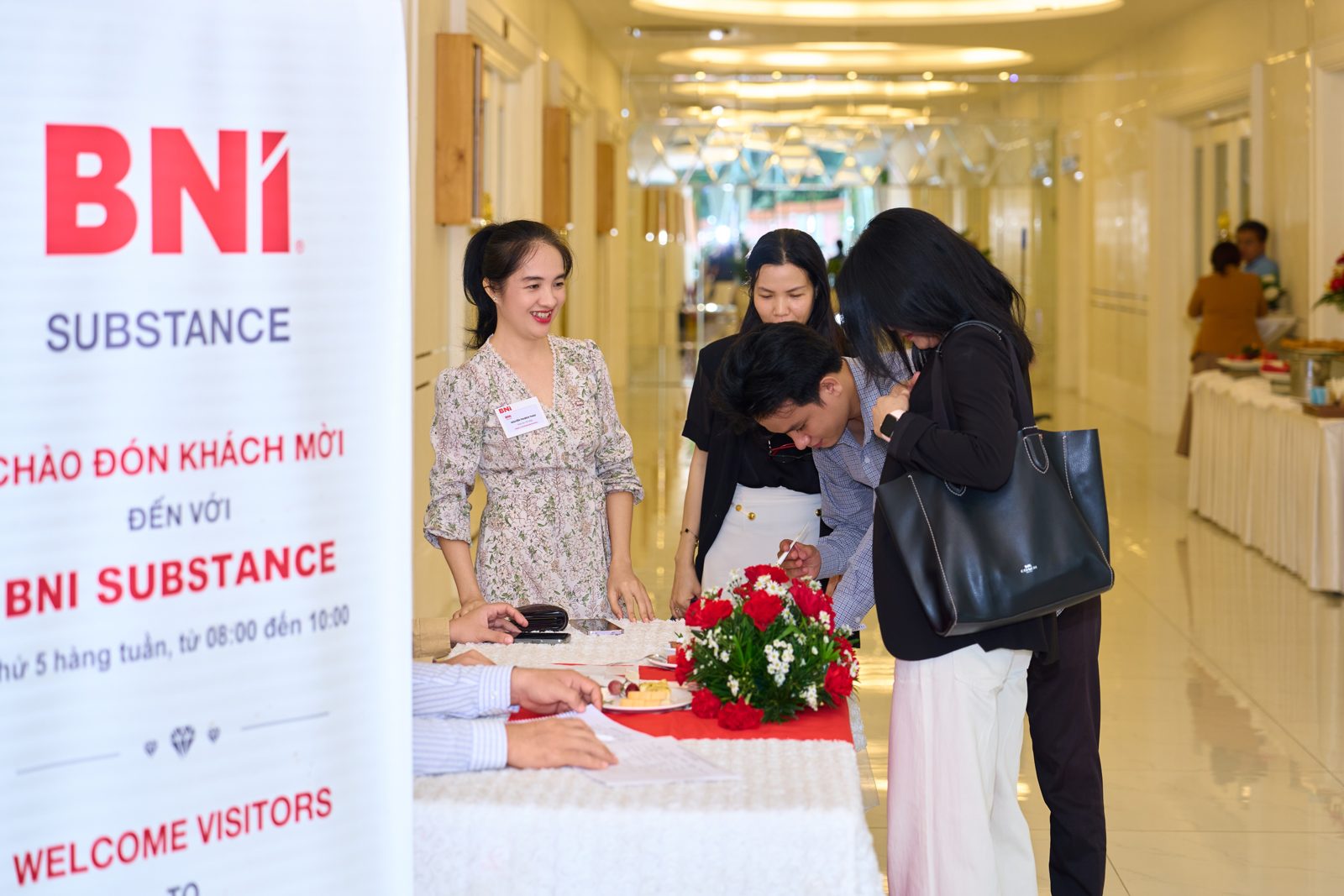
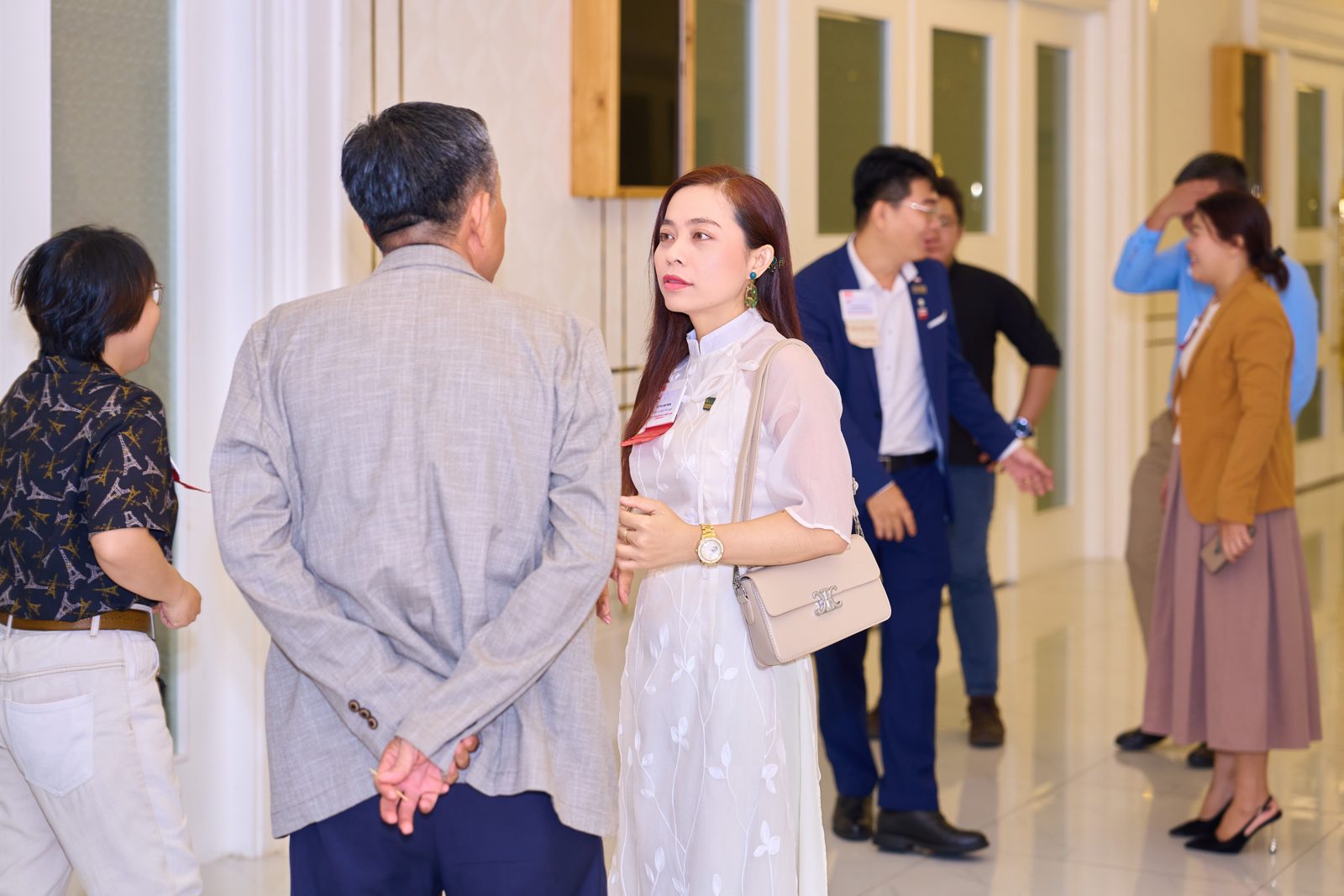
Giao lưu mở – mỗi cái bắt tay là một cơ hội
Phiên Giao lưu mở (07:30 – 08:00) mở đầu buổi họp. Các chủ doanh nghiệp trao danh thiếp, giới thiệu nhanh 30 giây về lĩnh vực và nhu cầu kết nối của mình. Đây là khoảng thời gian mà nhiều cơ hội kinh doanh của Chapter bắt đầu – không phải từ một bài thuyết trình, mà từ một cuộc trò chuyện đúng người.
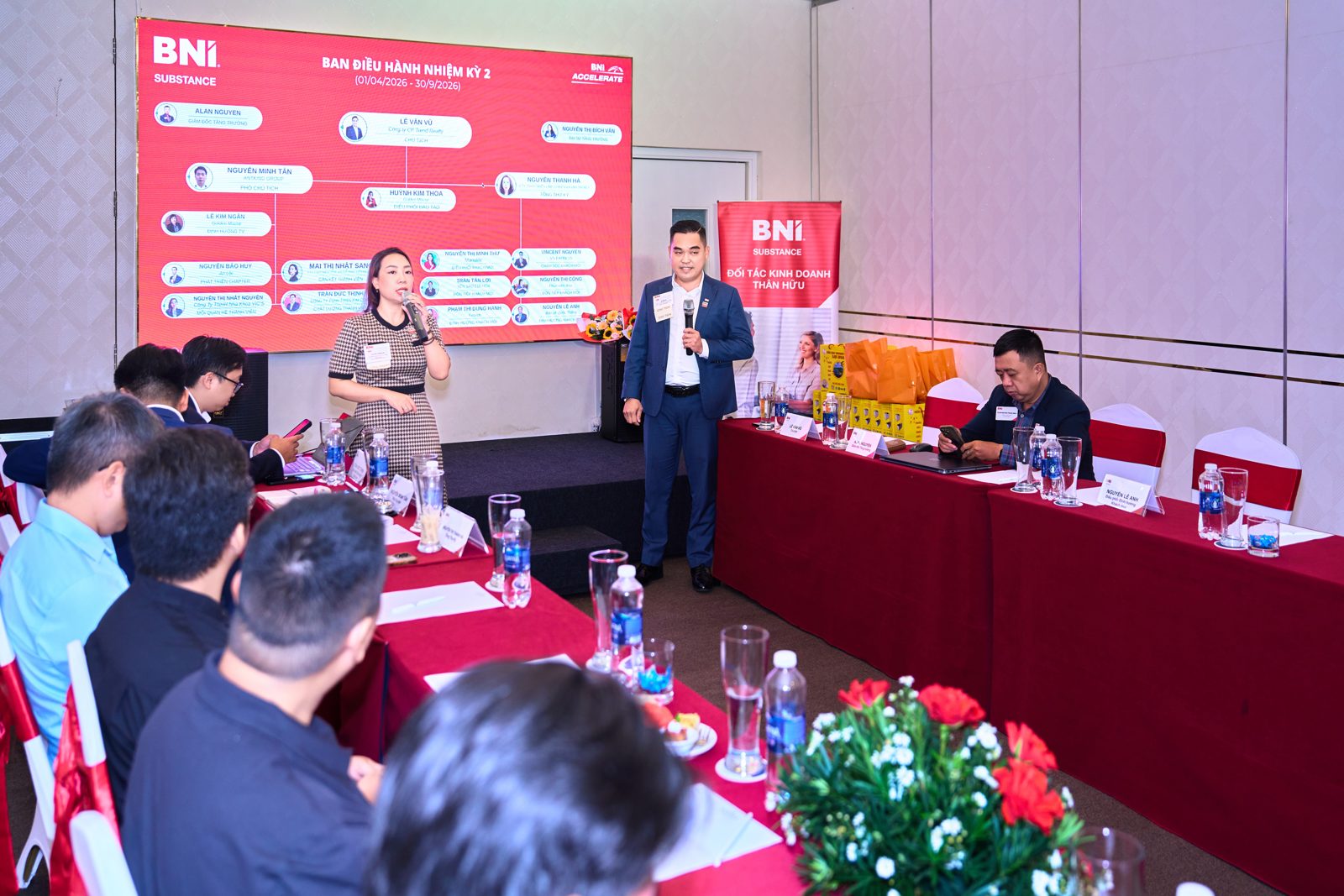
Giới thiệu Ban Điều hành Nhiệm kỳ II
Buổi họp chính thức bắt đầu lúc 08:00 với phần chào đón khách mời và giới thiệu Ban Điều hành Nhiệm kỳ II (01/04/2026 – 30/09/2026) dưới sự dẫn dắt của Chủ tịch Chapter Mr. Lê Văn Vũ và Giám đốc Tăng trưởng Mr. Alan Nguyen. Chapter cũng nhắc lại sứ mệnh và 7 giá trị cốt lõi của BNI, trong đó Cho là nhận (Givers Gain®) là nguyên tắc vận hành xuyên suốt.
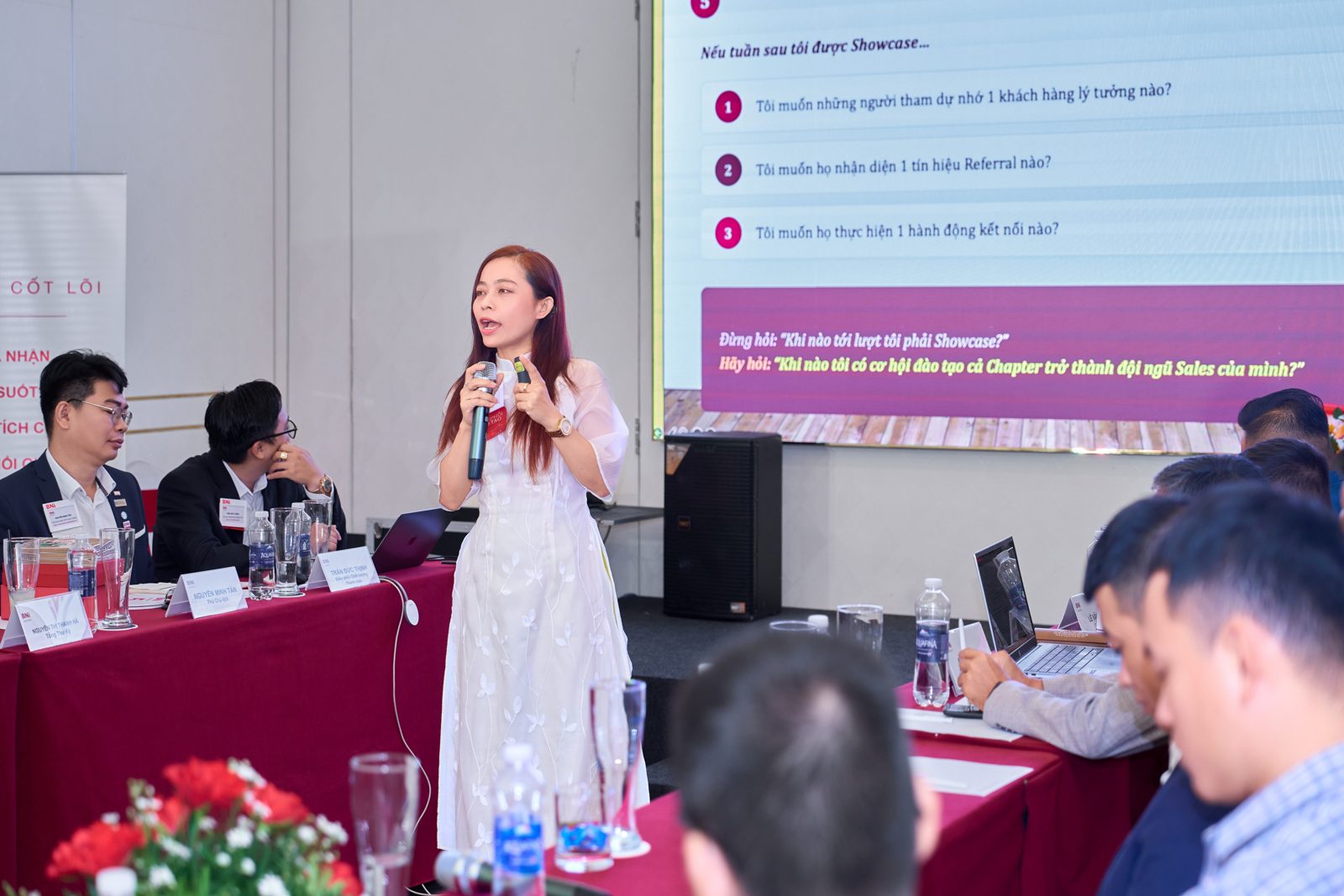
Chia sẻ kỹ năng: “Cách có được đội Marketing chuyên nghiệp chỉ trong 8 phút” – Ms. Huỳnh Kim Thoa
Phần chia sẻ kỹ năng networking do Ms. Huỳnh Kim Thoa – Giám đốc Golden Mouse Pharma – trình bày, với một góc nhìn khiến cả hội trường phải suy nghĩ lại về bài Showcase 8 phút.
Theo diễn giả, phần lớn chúng ta vẫn hiểu Showcase là “tôi có 8 phút để giới thiệu về mình”. Cách hiểu đúng phải là: “tôi có 8 phút để đào tạo đội ngũ kiến tạo Referral của mình”. Với một Chapter hơn 30 thành viên, sau bài Showcase bạn không chỉ có 30 người biết bạn làm gì – bạn cần có 30 radar kinh doanh đang quét thị trường giúp bạn.
Ms. Thoa đưa ra công thức “3 NHỚ” cho một bài Showcase hiệu quả: NHỚ NGƯỜI – khách hàng lý tưởng của tôi là ai, mô tả cụ thể đến mức thành viên nhìn thấy người đó trong đầu, tuyệt đối không nói “ai cũng có thể là khách hàng của tôi”; NHỚ TÍN HIỆU – khi khách hàng nói câu gì thì hãy nghĩ đến tôi, đây chính là Referral Trigger; và NHỚ CÁCH KẾT NỐI – khi gặp đúng người đó thì giới thiệu tôi như thế nào.
Kết lại, diễn giả để lại một lời kêu gọi hành động: đừng hỏi “khi nào tới lượt tôi phải Showcase?”, hãy hỏi “khi nào tôi có cơ hội đào tạo cả Chapter trở thành đội ngũ Sales của mình?”. Showcase không phải 8 phút để bạn toả sáng – đó là 8 phút để hơn 30 người khác biết cách giúp bạn toả sáng ngoài thị trường.
Vinh danh thành viên xuất sắc tháng 08/2026
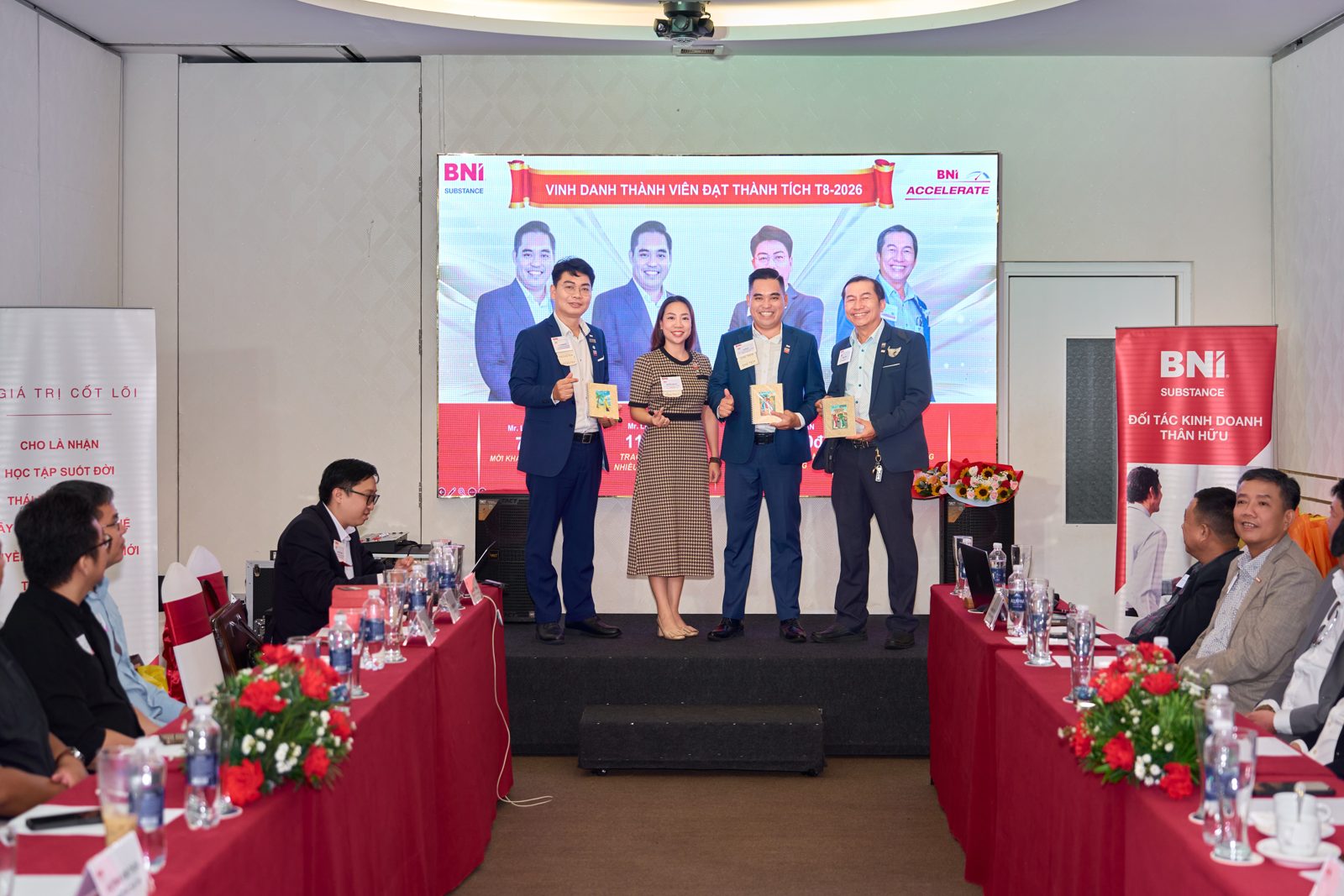
Chapter đã vinh danh những thành viên có chỉ số hoạt động nổi bật trong tháng 08/2026:
- Mr. Lê Văn Vũ – 7 khách mời – Mời khách nhiều nhất tháng
- Mr. Lê Văn Vũ – 11 Referral – Trao Referral nhiều nhất tháng
- Mr. Nguyễn Minh Tân – 142.030.000 đ – Tổng giá trị kinh doanh (TYFCB) cao nhất tháng
- Mr. Trần Tấn Lợi – 21 lượt 1-2-1 – Gặp gỡ 1-2-1 nhiều nhất tháng
Những con số này không chỉ là thành tích cá nhân. Mỗi Referral được trao đi là một cơ hội kinh doanh thật đến tay đồng đội, và mỗi buổi 1-2-1 là một mối quan hệ được xây sâu thêm.
Lễ tái gia nhập thành viên
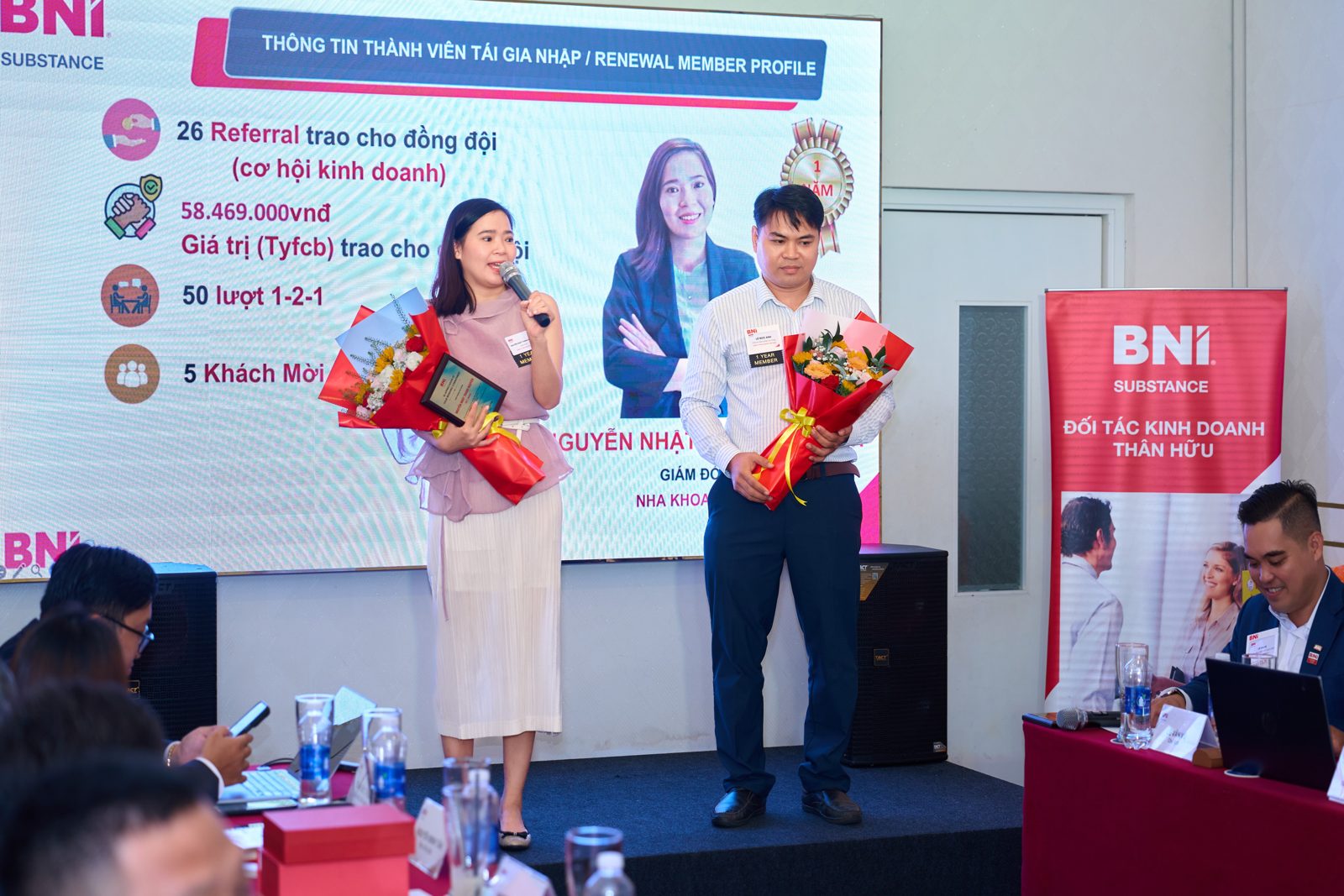
Một khoảnh khắc ý nghĩa của buổi họp là Lễ tái gia nhập – ghi nhận những thành viên tiếp tục đồng hành cùng Chapter thêm một nhiệm kỳ mới, cùng bảng thành tích một năm đã qua:
- Ms. Nguyễn Nhật Thanh Nguyên – Giám đốc Công ty TNHH Nha khoa Vic’s: 26 Referral trao cho đồng đội, 58.469.000 đ giá trị giao dịch (TYFCB) trao cho đồng đội, 50 lượt 1-2-1 và 5 khách mời.
- Mr. Lê Đức Anh – Giám đốc Công ty BCM PET Việt Nam: 5 Referral trao cho đồng đội, 12.683.000 đ giá trị giao dịch (TYFCB) trao cho đồng đội và 12 lượt 1-2-1.
Tái gia nhập, với BNI, không đơn thuần là gia hạn tư cách thành viên – đó là lời cam kết tiếp tục cho đi và tiếp tục xây dựng cộng đồng.
Giới thiệu 30 giây và phần chia sẻ của khách mời
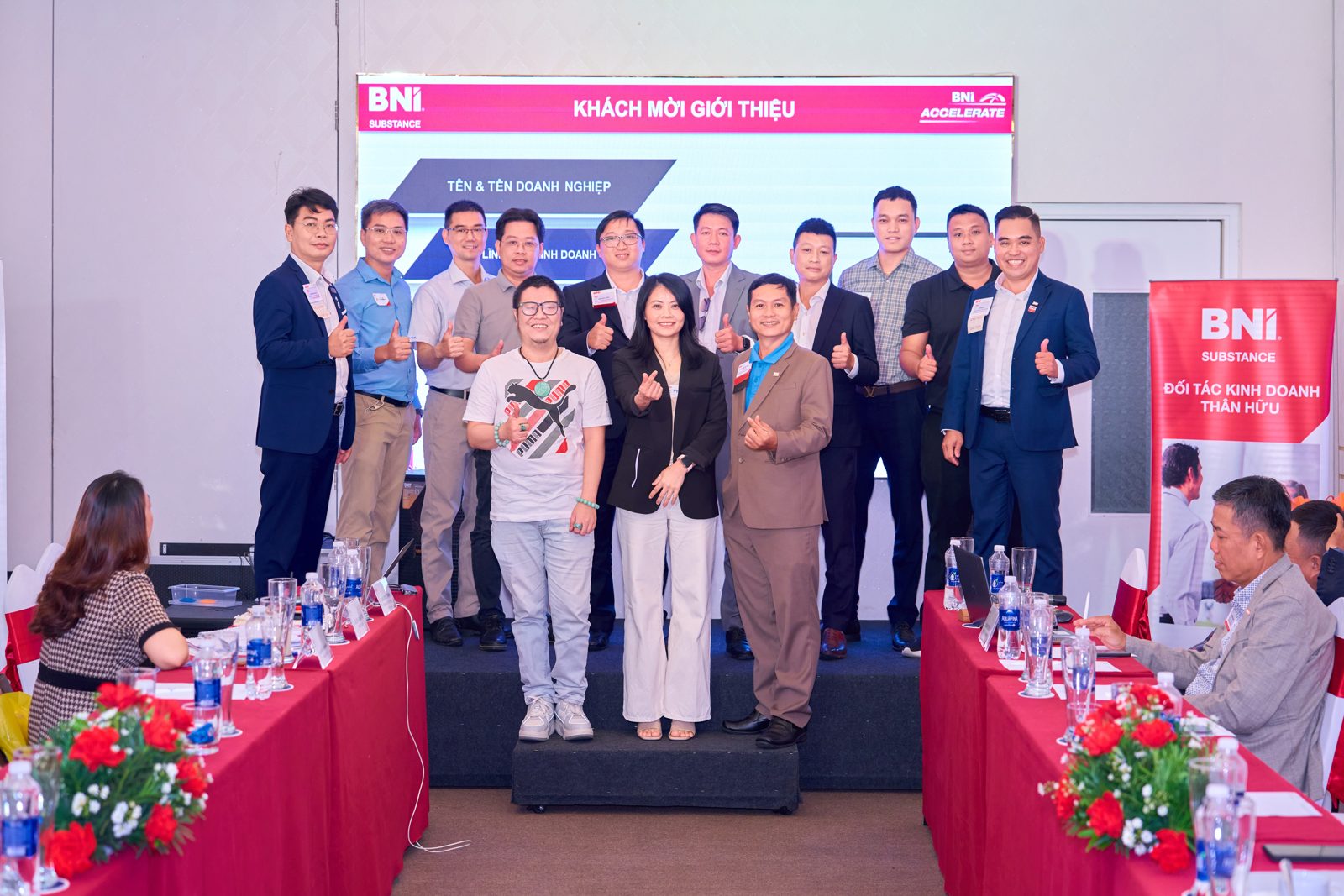
Phần giới thiệu 30 giây diễn ra theo từng Power Team – Sức khoẻ & Sắc đẹp, Hỗ trợ Doanh nghiệp, Xây dựng – Bất động sản – Sản xuất. Mỗi thành viên có 30 giây để nói rõ ba điều: mình làm gì, ai là khách hàng mình muốn gặp, và có thể giúp gì cho cộng đồng.
Tiếp đó là phần dành riêng cho khách mời. Từng vị khách lên sân khấu giới thiệu tên, doanh nghiệp, lĩnh vực kinh doanh và nhu cầu kết nối của mình – cũng là lúc nhiều kết nối mới được hình thành ngay trong hội trường.
Feature Presentation: MMS Solution – Từ Marketing đến hệ sinh thái tăng trưởng doanh nghiệp
Điểm nhấn của buổi họp là bài Feature Presentation của Mr. Trần Đức Thịnh – Giám đốc MMS Solution – với chủ đề “Từ Marketing đến hệ sinh thái tăng trưởng doanh nghiệp”.
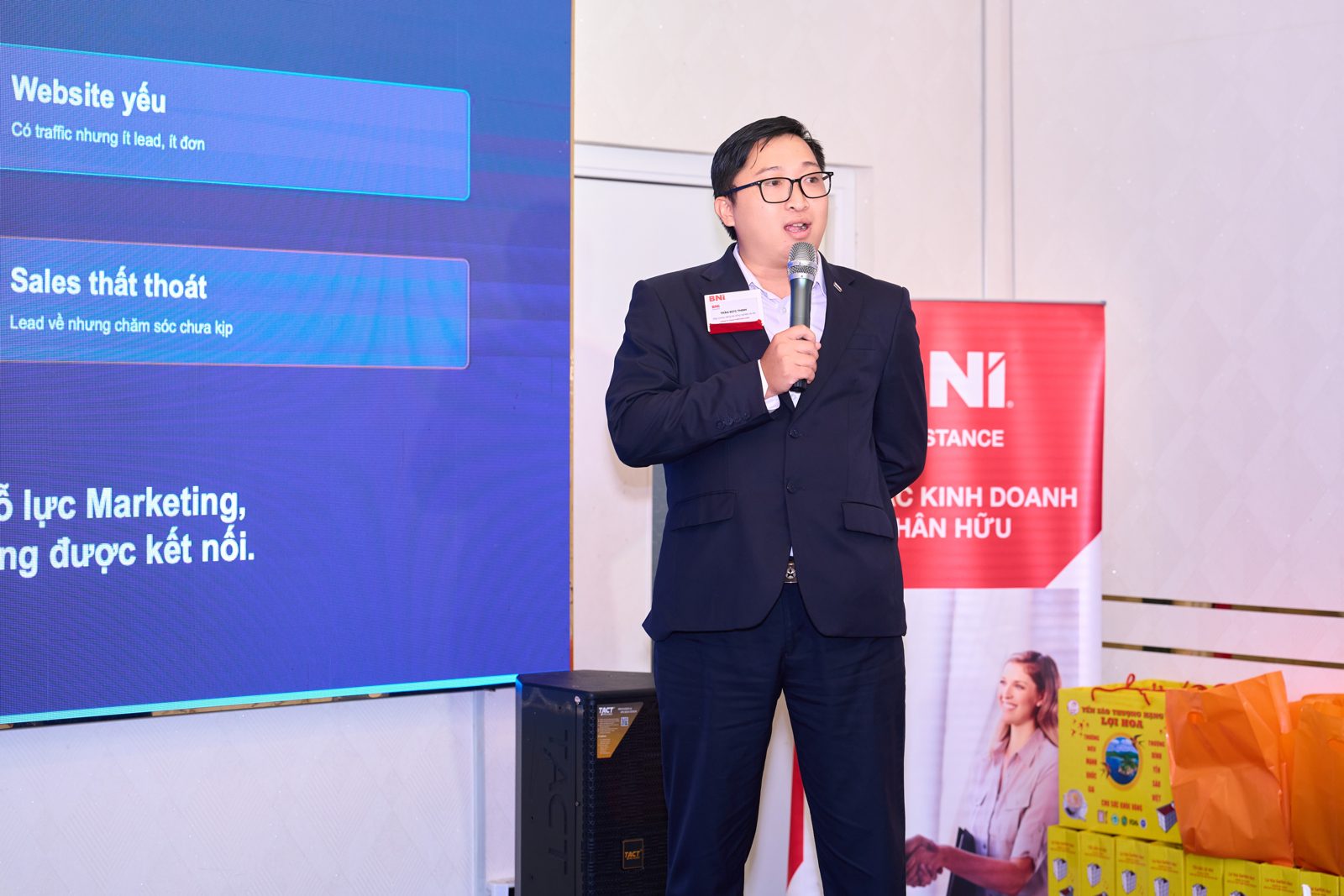
Diễn giả mở đầu bằng một câu hỏi thẳng vào túi tiền của chủ doanh nghiệp: doanh nghiệp đang mất tiền ở đâu? Ads tốn tiền nhưng có click chưa chắc có khách thật. Website có traffic nhưng ít lead, ít đơn. Dữ liệu rời rạc nên không biết nguồn nào thực sự tạo ra doanh thu. Lead về nhưng chăm sóc không kịp nên thất thoát ở khâu sales. Vấn đề, theo Mr. Thịnh, không phải là thiếu nỗ lực Marketing – mà là thiếu một hệ thống được kết nối.
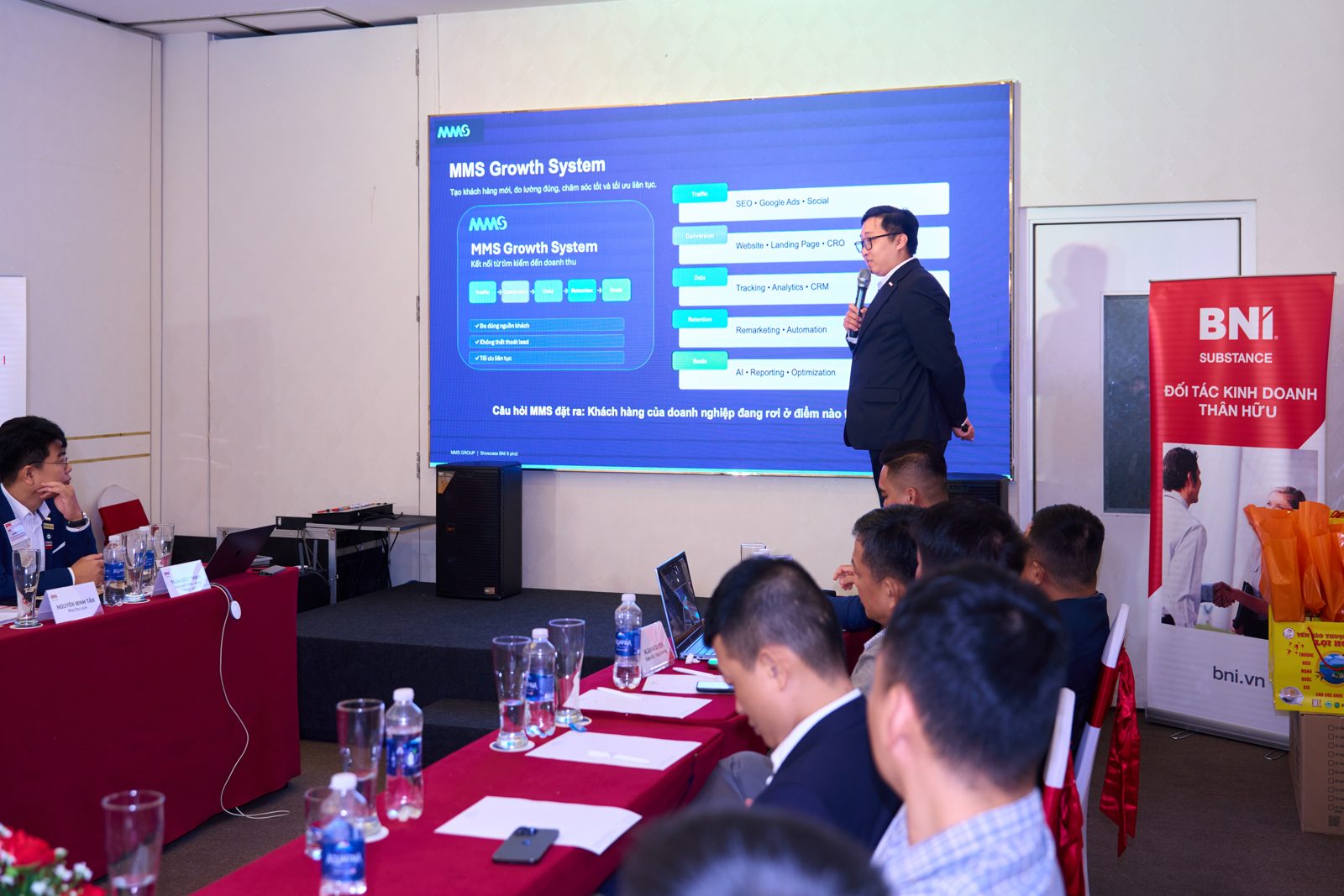
Từ đó, MMS Solution định vị mình là Growth Partner của doanh nghiệp SME, hoạt động trên bốn trụ cột: Marketing (SEO, Google Ads, Content, Website) để thu hút khách hàng; Technology (Tracking, CRM, Automation) để kết nối dữ liệu; AI để tăng hiệu suất Content, Sales và chăm sóc khách hàng; và Growth (CRO, Reporting, Scale) để tối ưu doanh thu. MMS không bán từng gói dịch vụ rời rạc mà thiết kế nguyên một hành trình tăng trưởng: từ khách hàng tìm kiếm đến chuyển đổi, chăm sóc và tối ưu liên tục.
Mô hình MMS Growth System được trình bày theo năm bước – Traffic, Conversion, Data, Retention, Scale – cùng câu hỏi mà diễn giả đặt ra cho cả hội trường: khách hàng của doanh nghiệp bạn đang rơi ở điểm nào trong hệ thống này?
Phần case study mang lại sự thuyết phục bằng dữ liệu. Với dự án SEO cho thương hiệu nhượng quyền cà phê Hương Cao Nguyên, chiến lược đi từ keyword research theo intent, content map theo hành trình mua đến tối ưu SEO và AI Search, đạt hơn 24.000 lượt hiển thị, hơn 1.160 lượt click và vị trí trung bình 7,1 trên Google Search. Ở mảng Google Ads, MMS chia sẻ số liệu chuyển đổi được tracking của nhiều dự án với chi phí mỗi chuyển đổi từ khoảng 66.000 đ đến 202.000 đ tuỳ ngành.
Điểm khác biệt được Mr. Thịnh nhấn mạnh là MMS Growth Technology – bộ công cụ nội bộ tự động hoá các điểm chạm Social, Reputation, Traffic và Data, đưa MMS tiến gần hơn tới mô hình Agency + Product + AI thay vì chỉ triển khai thủ công.
Khép lại 8 phút, diễn giả đưa ra slide quan trọng nhất với thành viên Chapter – những tín hiệu Referral. Khi nghe khách hàng nói “anh chạy Ads nhiều mà khách không ổn định”, “website bên anh có nhưng chẳng ra khách”, “anh muốn lên Google mà không biết làm sao”, “Marketing làm nhiều nhưng không biết cái nào tạo doanh thu”, hay “anh muốn ứng dụng AI nhưng chưa biết bắt đầu từ đâu” – hãy nghĩ đến MMS Solution và kết nối họ với Mr. Trần Đức Thịnh. Khách hàng lý tưởng của MMS là CEO, Founder, chủ doanh nghiệp B2B/SME đã có sản phẩm dịch vụ ổn định, có đội ngũ bán hàng nhưng nguồn khách chưa ổn định và sẵn sàng đầu tư xây hệ thống dài hạn.
Kết nối và lan toả giá trị
Buổi họp khép lại bằng phần bốc thăm may mắn và những tấm ảnh lưu niệm. Nhìn lại cả buổi sáng, điều đọng lại không chỉ là các con số Referral hay giá trị giao dịch, mà là tinh thần Cho là nhận (Givers Gain®) – nguyên tắc đã giúp BNI Substance Chapter trở thành nơi các chủ doanh nghiệp học hỏi, mở rộng tư duy và tìm được những đối tác đáng tin cậy.
Lời cảm ơn và thông tin liên hệ
BNI Substance Chapter trân trọng cảm ơn Ms. Huỳnh Kim Thoa và Mr. Trần Đức Thịnh vì hai phần chia sẻ giá trị, cảm ơn các thành viên và đặc biệt là các khách mời đã dành buổi sáng đến với Chapter.
BNI Substance Chapter sinh hoạt vào sáng Thứ Năm hàng tuần, từ 07:30 đến 10:30, tại Trung tâm Hội nghị Tiệc cưới Adora Legend – tầng trệt, 32 Hoàng Việt, P. Tân Sơn Nhất, TP.HCM. Quý doanh nghiệp quan tâm và muốn tham dự với tư cách khách mời vui lòng liên hệ đăng ký: 0989.212.273 (Ms. Minh Thư).
Chủ tịch Chapter: Mr. Lê Văn Vũ · Giám đốc Tăng trưởng: Mr. Alan Nguyen
Sáng thứ Năm, ngày 03/09/2026, tại Trung tâm Hội nghị Tiệc cưới Adora Legend (Tầng trệt, 32 Hoàng Việt, P. Tân Sơn Nhất, TP.HCM), BNI Substance Chapter — thuộc BNI HCM West — đã tổ chức buổi Kết nối Kinh doanh định kỳ với sự tham dự của 30 chủ doanh nghiệp, thành viên và khách mời. Trong không khí ấm áp, chuyên nghiệp và tràn đầy tinh thần hợp tác, buổi họp một lần nữa khẳng định giá trị cốt lõi mà BNI theo đuổi: Givers Gain® – Cho là Nhận.

Giao lưu mở — mỗi cái bắt tay là một cơ hội
Từ 07:30, khu vực sảnh Adora Legend đã rộn ràng tiếng chào hỏi. Phiên Giao lưu mở (Open Networking) mở màn chương trình là lúc các chủ doanh nghiệp trao danh thiếp, giới thiệu 30 giây về thế mạnh của mình và tìm kiếm những điểm chạm hợp tác. Ở BNI, đây không đơn thuần là nghi thức xã giao — đó là bước đầu tiên của một chuỗi giá trị: hiểu nhau, tin nhau, rồi mới giới thiệu khách hàng cho nhau.

Nhiều cuộc trò chuyện bắt đầu bằng một câu hỏi rất đời thường — “Anh/chị đang tìm kiếm khách hàng như thế nào?” — và kết thúc bằng một lời hẹn cà phê 1-2-1. Đó chính là cách một mối quan hệ kinh doanh bền vững được khởi sinh.
Chia sẻ kỹ năng: “Quy luật 200 giờ” — Định hình mối quan hệ cốt lõi
Phần chia sẻ kỹ năng xây dựng mối quan hệ kinh doanh được dẫn dắt bởi Ms. Nguyễn Thị Minh Thư – Quản lý Cấp cao Manulife, với chủ đề “200 giờ – Định hình mối quan hệ cốt lõi”.

Diễn giả mở đầu bằng một nhận định thẳng thắn: một referral chất lượng thường không bắt đầu từ việc “xin giới thiệu”, mà bắt đầu từ việc người khác đủ hiểu và đủ tin để đặt uy tín của họ vào tay bạn. Từ đó, chị dẫn dắt cả khán phòng đi qua bốn cột mốc của hành trình tích lũy niềm tin:
- 50 giờ — ĐỂ ĐƯỢC BIẾT (Know). Người khác bắt đầu biết bạn là ai, bạn làm gì và khách hàng bạn đang tìm là ai. Sự hiện diện đều đặn ở họp Chapter, 1-2-1, training và các hoạt động kết nối là điểm khởi đầu: “Không hiện diện → không có đủ dữ liệu để người khác hiểu bạn.”
- 90 giờ — TỪ BIẾT ĐẾN HIỂU (Know → Like). Qua những lần gặp gỡ, người khác thấy được cách bạn làm việc, cách bạn giữ cam kết và cách bạn đối xử với cộng đồng. Mỗi cuộc 1-2-1 là một lần chuyển từ “biết ngành nghề” sang “hiểu con người”. Và không thể rút ngắn 90 giờ bằng cách vắng mặt.
- 120 giờ — KHI NIỀM TIN ĐỦ LỚN (Like → Trust). Niềm tin được xây bằng bốn thói quen: giữ lời (cam kết nhỏ cũng được thực hiện), cho trước (sống tinh thần Givers Gain®), chăm referral (phản hồi nhanh, làm việc chuyên nghiệp) và đồng hành (quan tâm đến thành công của thành viên khác). Bởi khi giới thiệu một khách hàng cho bạn, thành viên không chỉ trao một cơ hội — họ đang đặt uy tín của mình vào tay bạn.
- 200 giờ — ĐƯỢC NHỚ ĐẾN KHI CƠ HỘI XUẤT HIỆN. Chuỗi giá trị khép kín: Hiện diện đầy đủ → Kết nối 1-2-1 → Cho đi referral → Tích lũy niềm tin → Cơ hội tuyệt vời.
Thông điệp mang về được diễn giả gói lại trong một câu hỏi đảo chiều rất đáng suy ngẫm: đừng hỏi “BNI đã mang lại cho tôi bao nhiêu Referral?”, mà hãy hỏi “Tôi đã đầu tư đủ để người khác TIN và NHỚ đến tôi chưa?” — bởi công thức luôn là THỜI GIAN → KẾT NỐI → NIỀM TIN → REFERRAL → CƠ HỘI.
Vinh danh thành viên xuất sắc tháng 8/2026 & giới thiệu 30 giây
Một phần được cả khán phòng chờ đợi là lễ Vinh danh thành viên đạt thành tích tháng 8/2026. Bốn thành viên được trao Notable Networker Award — chứng nhận ghi nhận thành tích xuất sắc do Chủ tịch Chapter Mr. Lê Văn Vũ ký, đề ngày 03/09/2026:
- Mr. Nguyễn Minh Tân — Thành viên trao cơ hội kinh doanh có giá trị cao nhất T08-2026: 142.030.000 VNĐ
- Mr. Lê Văn Vũ — Thành viên mời nhiều đối tác kinh doanh nhất T08-2026: 07 khách mời
- Mr. Lê Văn Vũ — Thành viên trao cơ hội kinh doanh nhiều nhất T08-2026: 11 referral
- Mr. Trần Tấn Lợi — Thành viên 1-2-1 nhiều nhất T08-2026: 21 lượt

Điều thú vị là bốn giải thưởng ấy đọc lên gần như một bản tóm tắt cho bài đào tạo vừa diễn ra: mời khách, gặp 1-2-1, trao referral — rồi giá trị giao dịch mới xuất hiện ở cuối chuỗi.
Ở phần vinh danh theo tuần, Chapter tiếp tục ghi nhận thành tích tuần 38+39. Hạng mục TYFCB (Thank You For Closed Business) nhiều nhất thuộc về Anh Nguyễn Minh Tân – ANTKING Group với giá trị giao dịch chốt thành công 136.000.000đ.

Ngay sau đó là phần giới thiệu 30 giây của các thành viên theo từng Power Team — Hỗ trợ Doanh nghiệp, Sức khoẻ – Sắc đẹp, Xây dựng – Bất động sản – Sản xuất — và phần giới thiệu của quý khách mời theo đúng khung bốn ý: tên & tên doanh nghiệp, lĩnh vực kinh doanh, ai là khách hàng của anh chị, và chúng tôi giúp gì được cho anh chị.

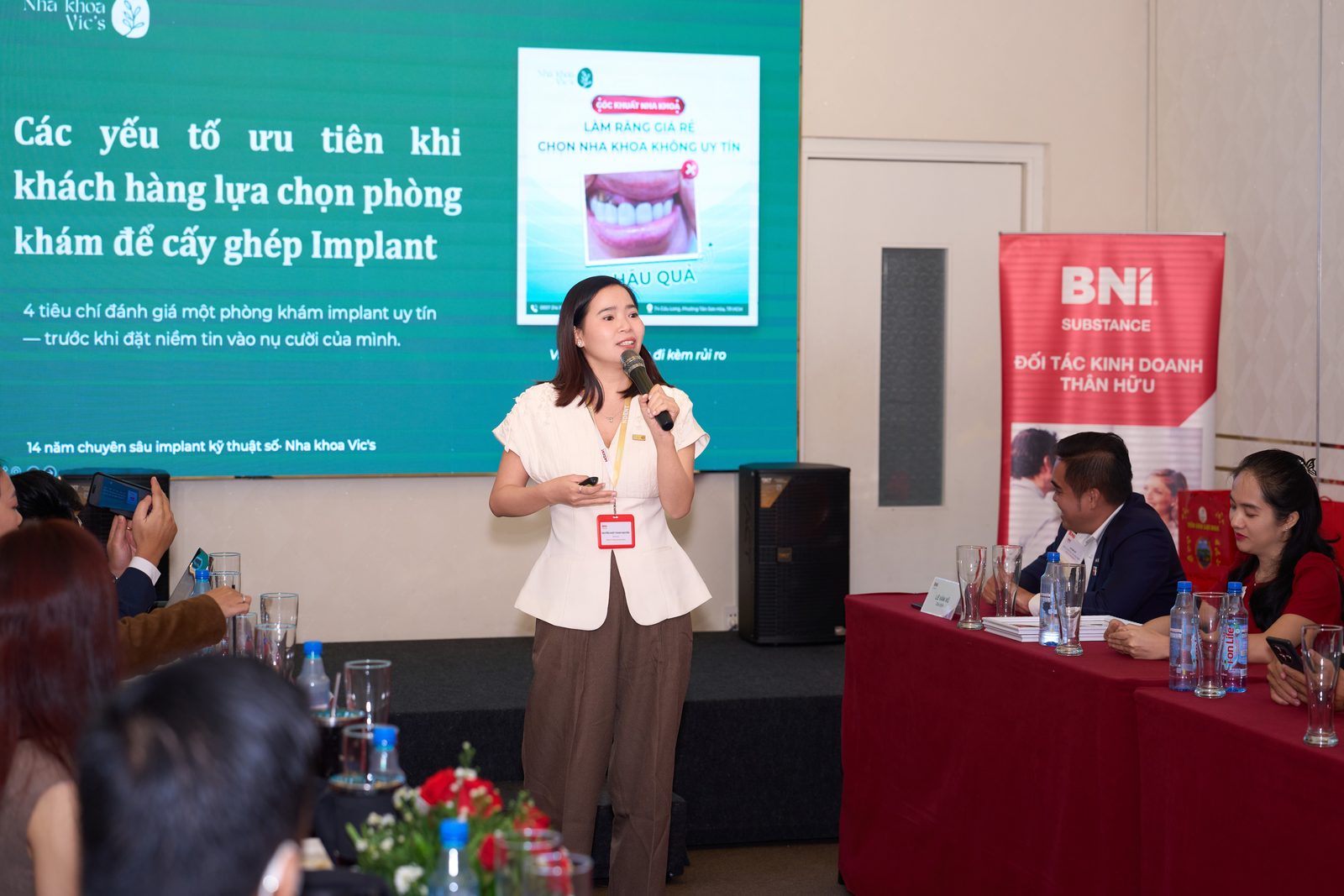
Feature Presentation: Nha khoa VIC’S — “Nâng tầm Nha khoa Việt”
Điểm nhấn của buổi họp là phần Bài thuyết trình Doanh nghiệp (Feature Presentation) của Ms. Nguyễn Nhật Thanh Nguyên – Giám đốc Điều hành Nha khoa VIC’S, với chủ đề rất thực tế: “Các yếu tố ưu tiên khi khách hàng lựa chọn phòng khám để cấy ghép Implant — vì sao giá rẻ luôn đi kèm rủi ro”.
Xuất phát từ 14 năm chuyên sâu implant kỹ thuật số, diễn giả đưa ra 4 tiêu chí đánh giá một phòng khám implant uy tín — trước khi đặt niềm tin vào nụ cười của mình:
- Nha khoa đạt tiêu chuẩn phẫu thuật. Phòng khám phải được cấp phép cấy ghép implant, có phòng phẫu thuật riêng biệt (vô trùng), và sử dụng Scan 3D cùng CT Cone Beam để xác định chính xác vị trí, góc độ implant trước khi vào phòng mổ. Đây là ranh giới rõ ràng giữa nha khoa ứng dụng công nghệ hiện đại và cơ sở làm thủ công truyền thống.
- Đội ngũ bác sĩ và kinh nghiệm thực chiến. Bác sĩ cần chứng chỉ hành nghề và chứng chỉ chuyên khoa implant, liên tục cập nhật kỹ thuật mới và công khai thông tin. Thước đo thực tế là số ca đã điều trị thành công — đặc biệt các ca khó như mất răng toàn hàm, nâng xoang, ghép xương. Lời khuyên của diễn giả rất thẳng: hãy hỏi trực tiếp bác sĩ điều trị đã từng xử lý tình trạng giống mình bao nhiêu lần.
- Nguồn gốc vật liệu implant và tính minh bạch. Thương hiệu và xuất xứ trụ implant phải rõ ràng; giá rẻ bất thường thường đi kèm vật liệu không chính hãng — rủi ro đào thải, viêm nhiễm cao hơn nhiều lần khoản chi phí tiết kiệm ban đầu. Phòng khám uy tín luôn sẵn sàng xuất trình đầy đủ giấy tờ nguồn gốc khi khách hàng yêu cầu.
- Chế độ bảo hành và đồng hành hậu phẫu. Implant cần vài tháng để tích hợp với xương hàm, nên phải có lịch tái khám định kỳ theo phác đồ để xử lý kịp thời nếu phát sinh biến chứng; đồng thời phải cam kết bảo hành bằng văn bản rõ ràng về thời hạn, phạm vi và trách nhiệm xử lý — không né tránh khi có vấn đề.
Song song với bộ tiêu chí, Ms. Thanh Nguyên giới thiệu nền tảng công nghệ mà Nha khoa VIC’S đầu tư theo hướng số hoá toàn diện: scan dấu răng 3D không xâm lấn và không gây đau; định vị chính xác vị trí và độ nghiêng trụ implant; huyết tương giàu tiểu cầu (PRF) hỗ trợ lành thương; và thiết kế implant chuẩn xác đến 10 micromet.

Thông điệp đọng lại của phần trình bày rất rõ: một ca implant không phải một dịch vụ làm đẹp thông thường mà là một ca phẫu thuật — và điều khách hàng nên so sánh không phải là bảng giá, mà là tiêu chuẩn phẫu thuật, tay nghề bác sĩ, nguồn gốc vật liệu và cam kết đồng hành lâu dài. Đó cũng là cách VIC’S theo đuổi mục tiêu “Nâng tầm Nha khoa Việt”.
Kết nối & lan toả giá trị
Khép lại chương trình, Chapter dành thời gian cho phần quay số may mắn và trao quà tặng tới các thành viên, khách mời — một khoảnh khắc nhẹ nhàng nhưng rất “Substance”: cho đi trước, và niềm vui quay lại.

Điều đọng lại sau buổi sáng 03/09 không chỉ là những tấm danh thiếp được trao đi, mà là tinh thần Givers Gain® – Cho là Nhận hiện diện xuyên suốt: từ bài học về 200 giờ đầu tư cho niềm tin, đến lời nhắc về sự minh bạch và trách nhiệm nghề nghiệp trong lĩnh vực y tế, và những cái bắt tay mở ra cơ hội hợp tác mới.

BNI Substance Chapter trân trọng cảm ơn Ms. Nguyễn Thị Minh Thư, Ms. Nguyễn Nhật Thanh Nguyên, cùng toàn thể thành viên và quý khách mời đã góp phần làm nên một buổi sáng nhiều năng lượng và giá trị.
BNI Substance Chapter sinh hoạt định kỳ sáng Thứ Năm hằng tuần, 07:30 – 10:30, tại Trung tâm Hội nghị Tiệc cưới Adora Legend – Tầng trệt, 32 Hoàng Việt, P. Tân Sơn Nhất, TP.HCM. Quý doanh nghiệp quan tâm tham dự với tư cách khách mời vui lòng liên hệ Ms. Minh Thư – 0989.212.273. Chủ tịch Chapter: Mr. Lê Văn Vũ · Giám đốc Tăng trưởng: Mr. Alan Nguyen.
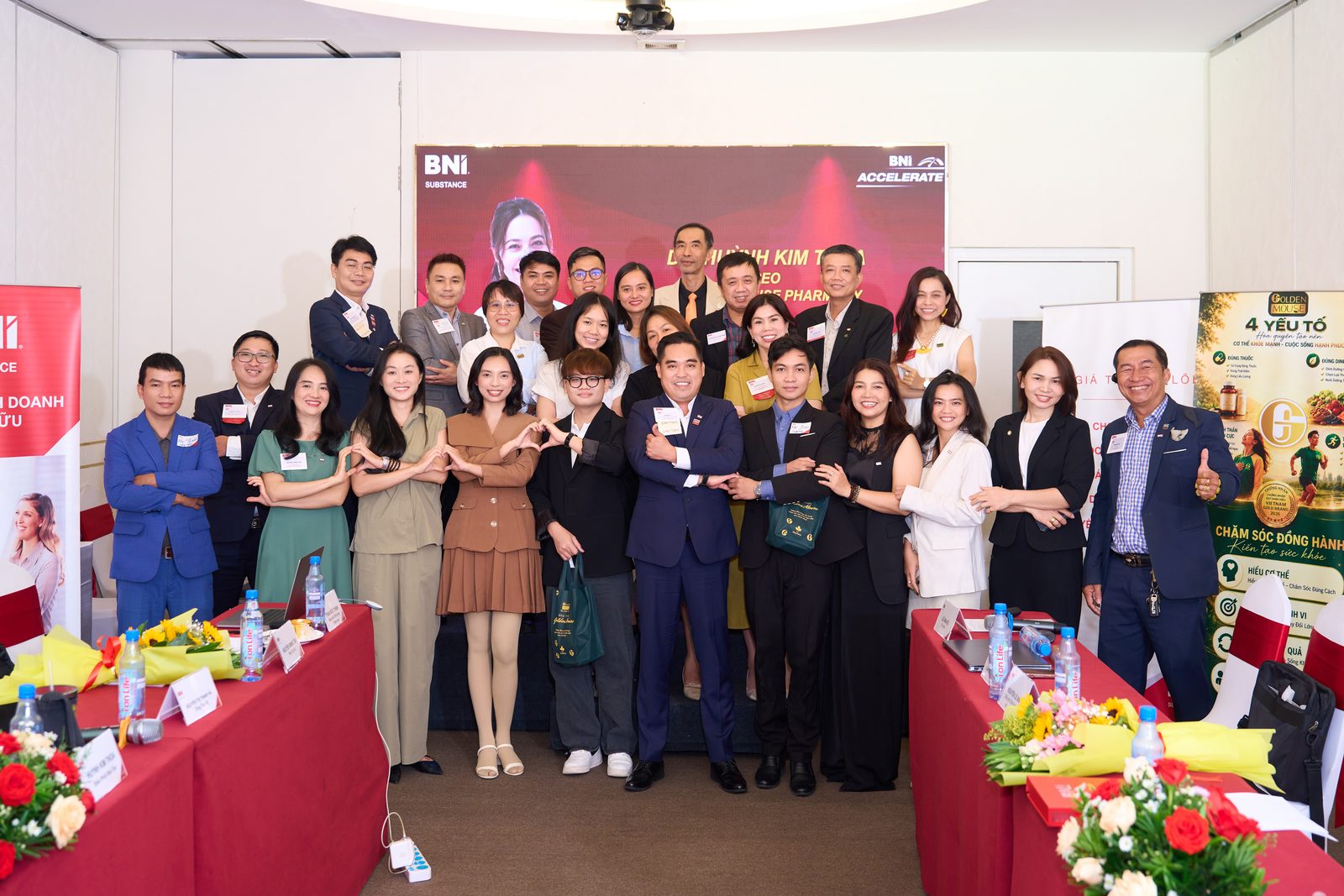
Sáng thứ Năm, ngày 20/08/2026, tại Trung tâm Hội nghị Tiệc cưới Adora Legend (Tầng trệt, 32 Hoàng Việt, P. Tân Sơn Nhất, TP.HCM), BNI Substance Chapter — thuộc BNI HCM West — đã tổ chức buổi Kết nối Kinh doanh định kỳ với sự tham dự của hơn 40 chủ doanh nghiệp, thành viên và khách mời. Trong không khí ấm áp, chuyên nghiệp và tràn đầy tinh thần hợp tác, buổi họp một lần nữa khẳng định giá trị cốt lõi mà BNI theo đuổi: Givers Gain® – Cho là Nhận.

Giao lưu mở — mỗi cái bắt tay là một cơ hội
Từ 07:30, khu vực sảnh Adora Legend đã rộn ràng tiếng chào hỏi. Phiên Giao lưu mở mở màn chương trình là lúc các chủ doanh nghiệp trao danh thiếp, giới thiệu 30 giây về thế mạnh của mình và tìm kiếm những điểm chạm hợp tác. Ở BNI, đây không đơn thuần là nghi thức xã giao — đó là bước đầu tiên của một chuỗi giá trị: hiểu nhau, tin nhau, rồi mới giới thiệu khách hàng cho nhau.
Nhiều cuộc trò chuyện bắt đầu bằng một câu hỏi đơn giản “Anh/chị đang tìm kiếm khách hàng như thế nào?” và kết thúc bằng một lời hẹn cà phê 1-2-1. Đó chính là cách một mối quan hệ kinh doanh bền vững được khởi sinh.
Chia sẻ kỹ năng: “Củ khoai tây nóng” — Sức mạnh của Power Team
Phần chia sẻ kỹ năng xây dựng mối quan hệ kinh doanh được dẫn dắt bởi Mr. Lê Văn Vũ – Chủ tịch Công ty Trend Realty, đồng thời là Chủ tịch BNI Substance Chapter, với chủ đề “Củ khoai tây nóng – Sức mạnh Power Team”.

Mở đầu bằng một con số đáng suy ngẫm — 67% cơ hội kinh doanh đến từ Power Team — diễn giả dẫn lại lời của Dr. Ivan Misner, nhà sáng lập BNI: “Givers in BNI pass referrals to each other like a hot potato” — Người cho đi trong BNI chuyền cơ hội cho nhau như chuyền một củ khoai tây nóng. Nguyên tắc rất rõ: trong một Power Team, referral không được để quá 24–48 giờ. Giữ lại là nguội, là mất cơ hội; chuyền đi đúng người, đúng lúc mới là nhân giá trị.
Sức mạnh của Power Team nằm ở chỗ các ngành nghề bổ trợ nhau, để một khách hàng có thể tạo ra 4–7 cơ hội kinh doanh cho cả nhóm:
- Chuỗi bất động sản: bất động sản → vay ngân hàng → bảo hiểm → sửa chữa nhà → nội thất → dịch vụ chuyển nhà. Chỉ cần một khách hàng, cả team có thể có 4–7 referral đi theo.
- Chuỗi sức khoẻ: khách cần kiểm tra sức khoẻ → dinh dưỡng → phòng tập → thực phẩm chức năng → bảo hiểm → thiết bị đo. Chỉ một khách, team có thể tạo ra 4–6 giao dịch.
- Nhờ vậy, Power Team giúp nhân giá trị gấp 3–10 lần so với các mối quan hệ đơn lẻ trong chapter.
Vậy bí quyết để có một Power Team mạnh là gì? Câu trả lời của diễn giả rất trực diện: phủ kín Power Team để “củ khoai tây nóng” không bị ăn mất. Mỗi thành viên cần chủ động rà soát contact sphere của mình và của nhóm mình, rồi thông báo cho Chapter những ngành nghề còn thiếu — bởi một mắt xích trống là một cơ hội rơi ra ngoài.
Thông điệp mang về: Muốn Power Team mạnh thì phải có cấu trúc, trách nhiệm, đào tạo và sự nhất quán. Power Team là nơi referral không chỉ được gửi đi — mà được khuếch đại. Nhờ đó, chapter mạnh lên, doanh nghiệp mạnh lên, và mối quan hệ giữa các thành viên trở thành một sức mạnh bền vững.
Feature Presentation: Golden Mouse Pharmacy — “Sống lâu, sống khoẻ, sống vui LÀ LỰA CHỌN”
Điểm nhấn của buổi họp là phần Bài thuyết trình Doanh nghiệp (Feature Presentation) của DS. Huỳnh Kim Thoa – Giám đốc Điều hành GOLDEN MOUSE PHARMACY, với một thông điệp giản dị mà thấm thía: “Sống lâu, sống khoẻ, sống vui là lựa chọn.”

Bài trình bày bắt đầu bằng một bức tranh không dễ chịu về sức khoẻ người Việt. Mỗi năm, Việt Nam ghi nhận trên 200.000 ca đột quỵ và ngày càng trẻ hoá; trên 8.000.000 người mắc đái tháo đường tuýp 2; trên 20.000.000 người thừa cân, béo phì; thiệt hại kinh tế do bệnh tật ước tính lên tới 20.000 tỷ đồng mỗi năm. Những con số ấy đặt ra một câu hỏi mà nhiều người vẫn né tránh: liệu có phải “trời kêu ai nấy dạ”?
Câu trả lời của DS. Huỳnh Kim Thoa là một lời khẳng định: “Đột quỵ chưa bao giờ là đột ngột.” Cơ thể luôn phát tín hiệu trước — chỉ là chúng ta chưa thực sự lắng nghe:
- Mệt mỏi, đau đầu thường xuyên; ngủ không sâu giấc
- Hụt hơi, thiếu tập trung, ăn uống kém
- Rối loạn đường huyết, rối loạn mỡ máu
- Huyết áp từ 125/75 mmHg trở lên
Diễn giả cũng nhắc lại quy tắc quốc tế giúp nhận biết sớm dấu hiệu đột quỵ — BE FAST (Balance – Eyesight – Face – Arm – Speech – Time) — bởi trong cấp cứu đột quỵ, mỗi phút trôi qua đều có giá.

Bệnh không đến từ hư không — bệnh từ miệng vào, bệnh từ thói quen và lối sống. Từ góc nhìn đó, Golden Mouse Pharmacy đưa ra khung 4 yếu tố sống khoẻ, dựa trên định nghĩa của Tổ chức Y tế Thế giới (WHO): sức khoẻ là trạng thái hoàn toàn thoải mái về thể chất, tinh thần và xã hội, chứ không chỉ đơn thuần là không có bệnh tật hay thương tật. Sống khoẻ, vì thế, là tổng hoà của một cơ thể khoẻ mạnh, một tinh thần thoải mái và những kết nối xã hội tốt.
Hiện thực hoá triết lý đó, Golden Mouse Pharmacy xây dựng Câu lạc bộ Golden Mouse Sống Khoẻ — nơi 4 yếu tố sống khoẻ được cá nhân hoá cho từng người, có đội ngũ đồng hành mỗi ngày (kết hợp online và offline) để thiết lập kết quả sức khoẻ dài hạn, và toàn bộ kiến thức đều được chuẩn hoá bởi chuyên gia.
Kết thúc phần trình bày, DS. Huỳnh Kim Thoa chia sẻ chân dung những đối tác mà Golden Mouse Pharmacy mong đợi được kết nối:
- Nhà đầu tư cùng tầm nhìn: tạo giá trị dòng tiền, đồng thời lan toả giá trị cho cộng đồng Việt Nam
- Phòng khám Đông – Tây y chất lượng, có tư duy yêu thương bệnh nhân
- Các đơn vị chăm sóc sức khoẻ thể chất và tinh thần
- Cá nhân và doanh nghiệp muốn LỰA CHỌN SỐNG KHOẺ cho mình và cho đội ngũ
Thông tin thêm về Golden Mouse Pharmacy: www.goldenmouse.vn.
Lễ kết nạp thành viên mới: Chào đón Công ty Luật TNHH 1989 Law
Một phần trang trọng và giàu cảm xúc của buổi họp là Lễ Kết nạp Thành viên mới. Sau quá trình thẩm định nghiêm túc theo đúng quy trình của BNI và sự phê duyệt của Ban Lãnh đạo Chapter, BNI Substance chính thức chào đón Chị NGUYỄN THỊ BÍCH CHUNG – Giám đốc CÔNG TY LUẬT TNHH 1989 LAW, ngành nghề Dịch vụ Pháp lý, trở thành thành viên chính thức của Chapter. Đây không chỉ là một nghi thức, mà là khoảnh khắc đánh dấu một hành trình mới — hành trình kết nối, học hỏi và cùng nhau phát triển trong tinh thần Givers Gain®.

1989 Law là tổ chức hành nghề luật sư, đồng thời là tổ chức đại diện sở hữu công nghiệp tại Việt Nam, hoạt động với triết lý “Your Trusted Solutions – Giải pháp pháp lý đáng tin cậy”. Công ty cung cấp giải pháp toàn diện trải rộng chín lĩnh vực: giải quyết tranh chấp, doanh nghiệp, lao động, sở hữu trí tuệ, M&A, đầu tư, bất động sản, dữ liệu & công nghệ và thuế. Với chị Bích Chung, tư vấn pháp lý không dừng ở việc trả lời một câu hỏi luật, mà là đồng hành cùng khách hàng từ lúc phòng ngừa rủi ro cho đến khi vấn đề được giải quyết trọn vẹn — bởi một doanh nghiệp có thể mất nhiều năm gây dựng uy tín, nhưng đôi khi chỉ một hợp đồng sơ hở hay một nhãn hiệu chưa kịp bảo hộ là bao công sức có thể lung lay.

Trong nghi thức kết nạp, thành viên mới nhận Bộ Công cụ Thành viên, rồi cùng toàn thể Chapter giơ tay đọc lời Cam kết — cam kết cung cấp sản phẩm, dịch vụ đúng chất lượng và mức giá đã báo; thành thật với thành viên và với những người được giới thiệu; xây dựng mối quan hệ tích cực và có trách nhiệm với mỗi lời giới thiệu nhận được. Ngay sau đó, Chủ tịch Lê Văn Vũ phát biểu đón nhận thành viên mới và cùng chị Bích Chung đi một vòng bắt tay chào khán phòng.

Thành viên mới được giao về cho Chị Lê Kim Ngân – Định hướng Thành viên để đồng hành sát sao, tăng tốc hoà nhập và tạo referral chất lượng ngay từ những tuần đầu. Chapter cũng gửi lời cảm ơn tới Anh Nguyễn Minh Tân — thành viên bảo trợ đã tin tưởng, đồng hành và mang đến một mảnh ghép giá trị cho Substance Chapter.

Kết nối & lan toả giá trị
Khép lại chương trình lúc 10:30, điều đọng lại không chỉ là những tấm danh thiếp được trao đi, mà là tinh thần Givers Gain® – Cho là Nhận hiện diện xuyên suốt: từ bài học về việc chuyền nhanh một cơ hội cho đúng người, đến lời mời cùng nhau lựa chọn một lối sống khoẻ mạnh hơn, và cái bắt tay chào đón một thành viên mới vào đại gia đình.
BNI Substance Chapter trân trọng cảm ơn Mr. Lê Văn Vũ, DS. Huỳnh Kim Thoa, cùng toàn thể thành viên và quý khách mời đã góp phần làm nên một buổi sáng nhiều năng lượng và giá trị.
BNI Substance Chapter sinh hoạt định kỳ sáng Thứ Năm hằng tuần, 07:30 – 10:30, tại Trung tâm Hội nghị Tiệc cưới Adora Legend – Tầng trệt, 32 Hoàng Việt, P. Tân Sơn Nhất, TP.HCM. Quý doanh nghiệp quan tâm tham dự với tư cách khách mời vui lòng liên hệ Ms. Minh Thư – 0989.212.273. Chủ tịch Chapter: Mr. Lê Văn Vũ · Giám đốc Tăng trưởng: Mr. Alan Nguyen.
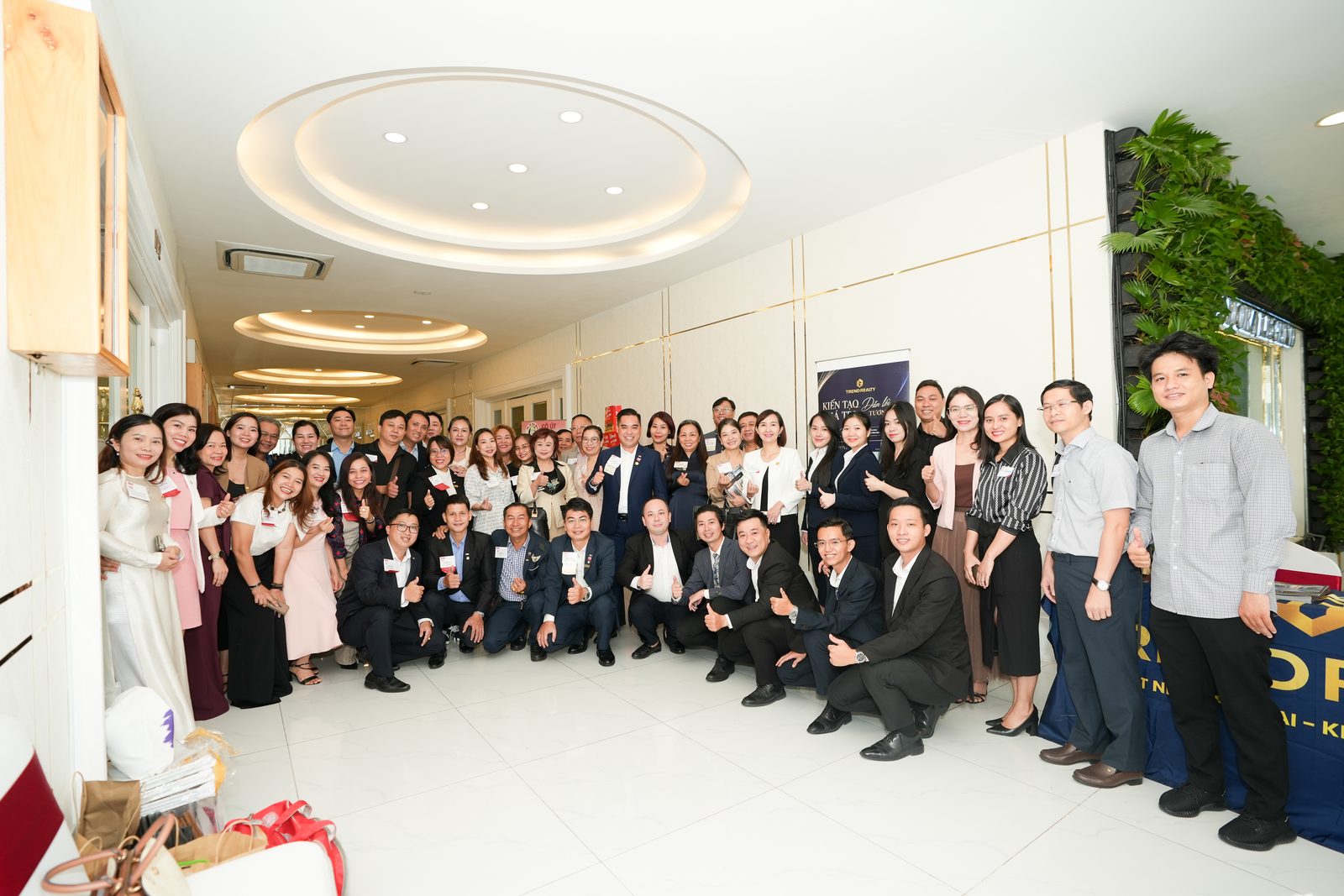
Sáng thứ Năm, ngày 13/08/2026, tại Trung tâm Hội nghị tiệc cưới Adora Legend (32 Hoàng Việt, P. Tân Sơn Nhất, TP.HCM), BNI Substance Chapter (thuộc BNI HCM West) đã tổ chức buổi Kết nối Kinh doanh với sự tham dự của hơn 40 chủ doanh nghiệp cùng đông đảo khách mời. Trong không khí ấm áp, chuyên nghiệp và đầy tinh thần hợp tác, các thành viên đã cùng nhau giao lưu, học hỏi kỹ năng xây dựng mối quan hệ kinh doanh và đón nhận phần giới thiệu doanh nghiệp đầy tâm huyết từ một thành viên trong Chapter.
Giao lưu mở – Khởi đầu cho những kết nối giá trị
Từ 07:30, phiên Giao lưu mở (Open Networking) đã hâm nóng khán phòng. Các doanh nhân chủ động trao đổi danh thiếp, giới thiệu ngắn gọn về sản phẩm – dịch vụ và nhu cầu kết nối trong vòng 30 giây. Đây chính là nét đặc trưng của BNI: mỗi cái bắt tay đều có thể trở thành khởi đầu cho một cơ hội kinh doanh mới, mỗi cuộc trò chuyện đều mở ra khả năng hợp tác dài lâu.
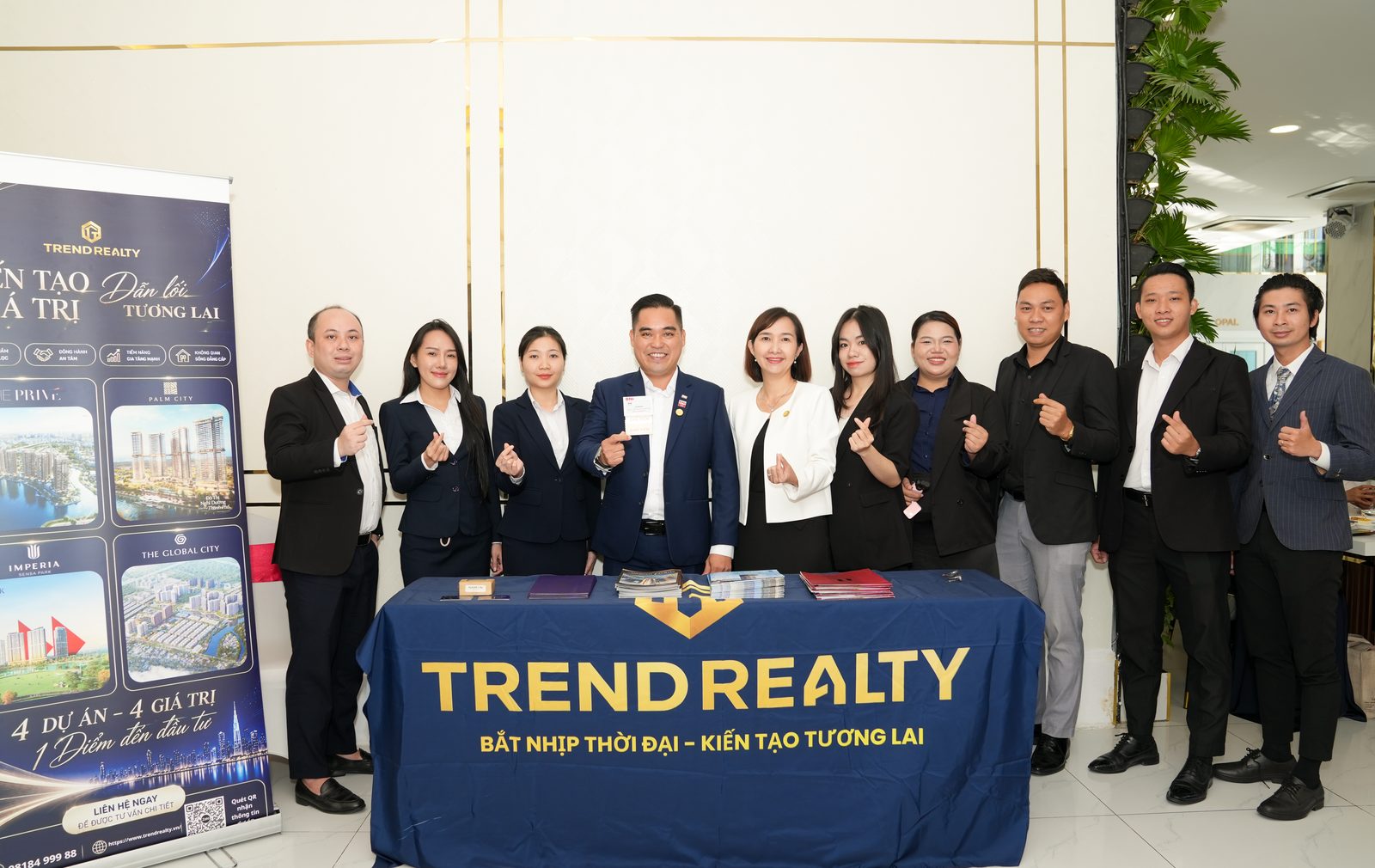
Bài chia sẻ kỹ năng: “Mạng lưới là tài sản lớn nhất của Chủ doanh nghiệp”
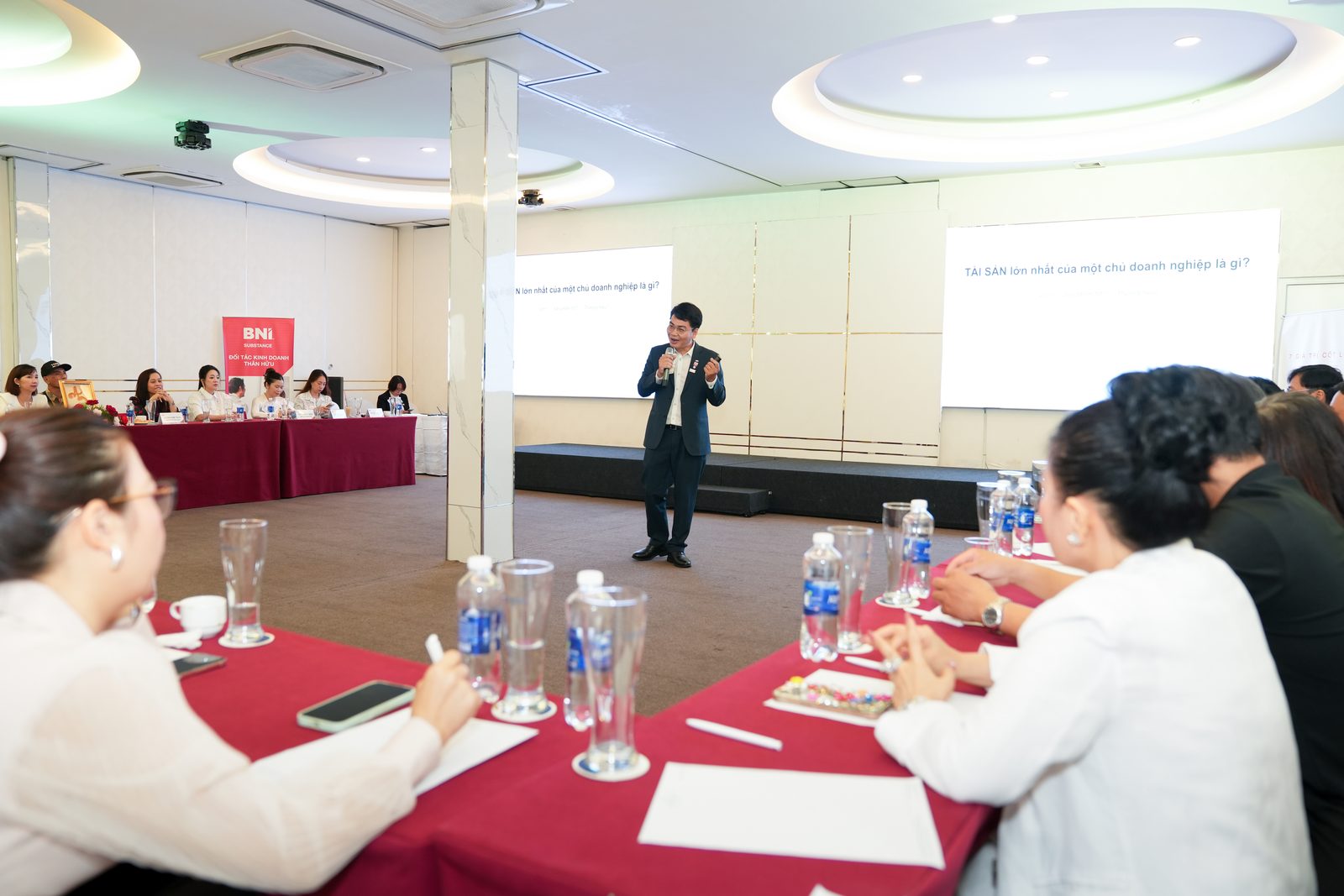
Mở đầu phần chia sẻ kỹ năng, Mr. Nguyễn Minh Tân – Chủ tịch AntKing Group đặt câu hỏi: đâu mới là tài sản lớn nhất của một chủ doanh nghiệp – vốn, sản phẩm tốt hay thương hiệu? Diễn giả khẳng định: tài sản lớn nhất chính là MẠNG LƯỚI những người sẵn sàng nhắc tên mình khi có ai đó cần. Một mạng lưới thông thường chỉ là connection; nó chỉ thực sự trở thành tài sản khi những người trong đó hiểu, tin và sẵn sàng hành động vì nhau – đúng như tinh thần BNI: Business + System + Commitment + Professionalism + Trust Connection.
Diễn giả giới thiệu mô hình VCP – ba nấc thang xây dựng mạng lưới: Visibility (Biết) – người ta biết tên, công ty, ngành nghề của bạn; Credibility (Uy tín) – người ta tin vào năng lực và chất lượng của bạn; và Referrals (Giới thiệu) – người ta chủ động giới thiệu cơ hội kinh doanh cho bạn, trong đó mỗi cuộc gặp 1-2-1 chính là một nấc thang tiến tới sự uy tín. Mượn lời Dr. Ivan Misner – nhà sáng lập BNI: “Your network is your net worth” (Mạng lưới của bạn chính là giá trị ròng của bạn), diễn giả kêu gọi mọi người đừng cố trao danh thiếp cho cả 40 người trong phòng, mà hãy chọn đúng 1-2 người phù hợp nhất để hẹn một buổi trò chuyện sâu ngay trong tuần.
Feature Presentation: Trend Realty – Quản trị rủi ro trong đầu tư bất động sản
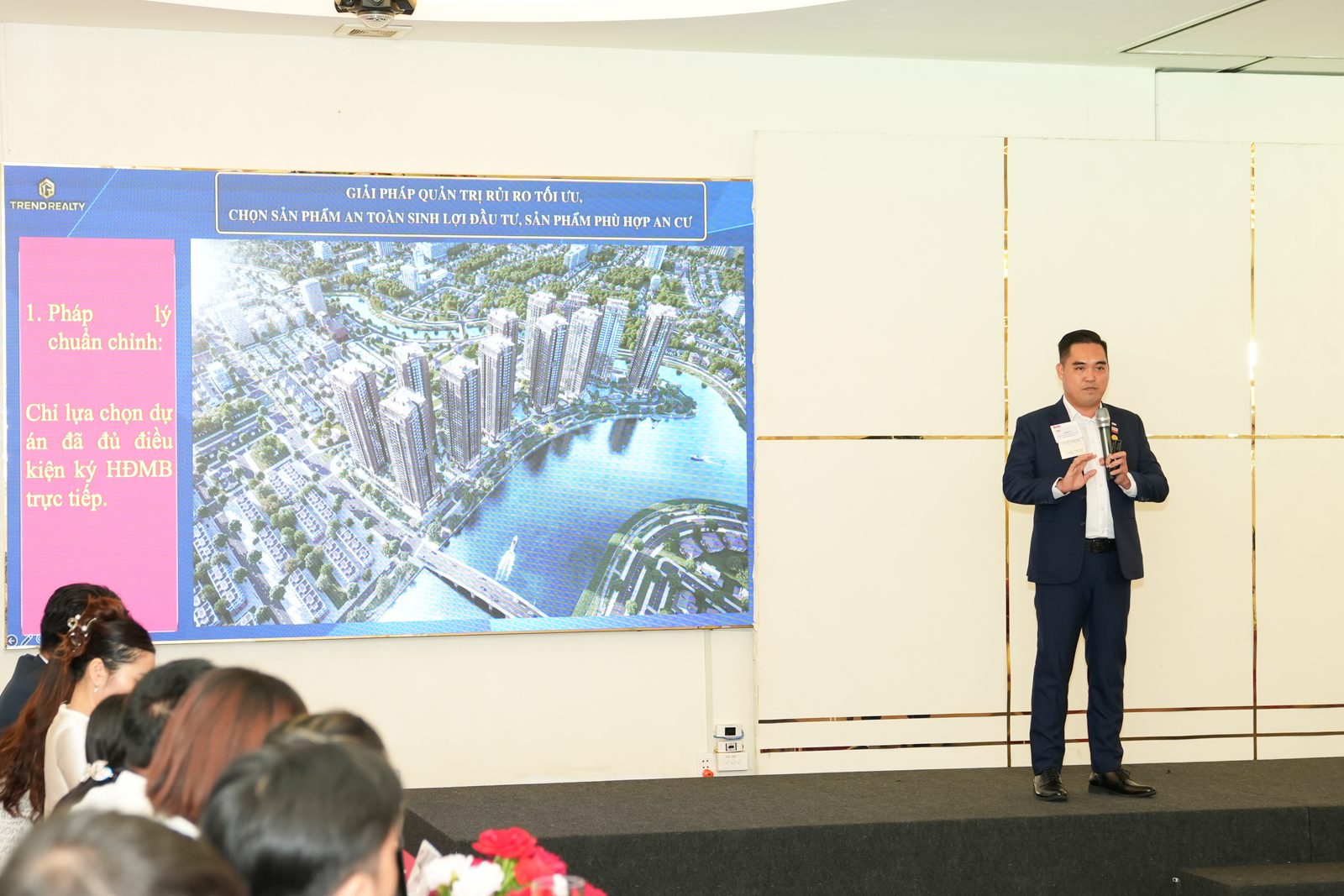
Trọng tâm của buổi Kết nối Kinh doanh tuần này là phần Feature Presentation do Mr. Lê Văn Vũ – Chủ tịch Chapter kiêm Chủ tịch Trend Realty trình bày, với chủ đề “Quản trị rủi ro trong đầu tư bất động sản”. Diễn giả phân tích vì sao bất động sản vẫn là kênh tích sản tối ưu so với vàng, chứng khoán hay crypto trong giai đoạn hiện nay, nhờ đà đẩy mạnh đầu tư công và khả năng khai thác dòng tiền thực tế kết hợp gia tăng giá trị ổn định qua các chu kỳ kinh tế. Đồng thời, ông cũng “mổ xẻ” sáu nhóm rủi ro phổ biến mà nhà đầu tư dễ gặp phải: rủi ro pháp lý, áp lực vị trí và giá, năng lực chủ đầu tư, ma trận giá bán, mất kiểm soát dòng tiền, và đơn vị phân phối kém uy tín.
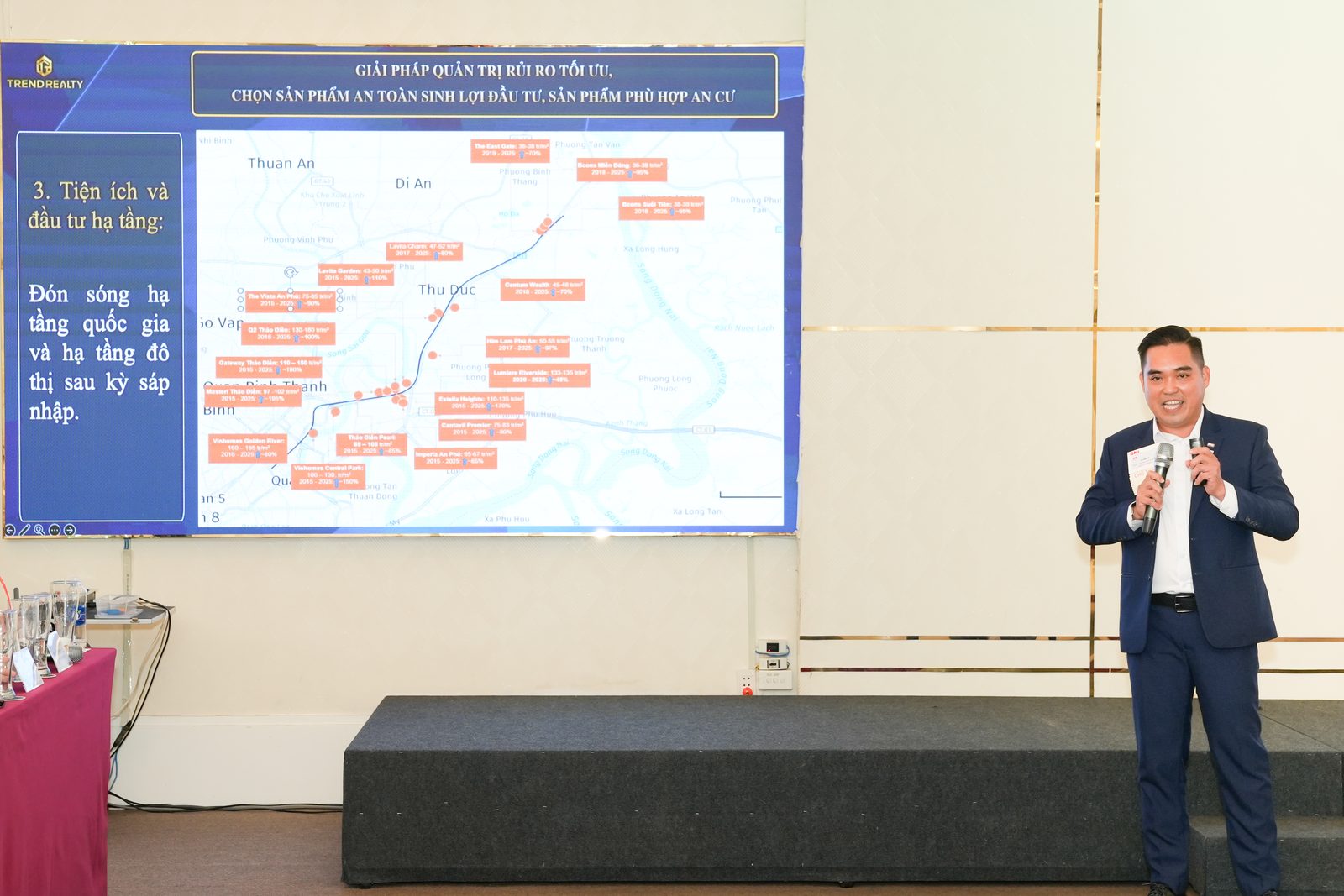
Từ đó, Trend Realty đưa ra bốn nhóm giải pháp quản trị rủi ro tối ưu để chọn được sản phẩm vừa an toàn sinh lợi cho đầu tư, vừa phù hợp an cư: pháp lý chuẩn chỉnh – chỉ lựa chọn dự án đã đủ điều kiện ký hợp đồng mua bán trực tiếp; giải pháp tài chính linh hoạt – ưu tiên phương thức thanh toán nhẹ, có hỗ trợ lãi suất và ân hạn nợ gốc; đón đầu tiện ích và hạ tầng – tận dụng làn sóng đầu tư hạ tầng quốc gia và đô thị sau kỳ sáp nhập; và chọn thương hiệu uy tín – ưu tiên chủ đầu tư có tiềm lực tài chính mạnh cùng đơn vị phân phối chuyên nghiệp. Là đơn vị phát triển dự án và phân phối bất động sản chuyên nghiệp, Trend Realty hiện là đối tác chiến lược của các chủ đầu tư lớn như Mitsubishi, Sun Group, Vinhomes, Keppel Land, Blue Marq và Lê Phong, đang phân phối các dự án pháp lý hoàn chỉnh như The Prive, Palm City, Blanca City và Monrei Saigon.
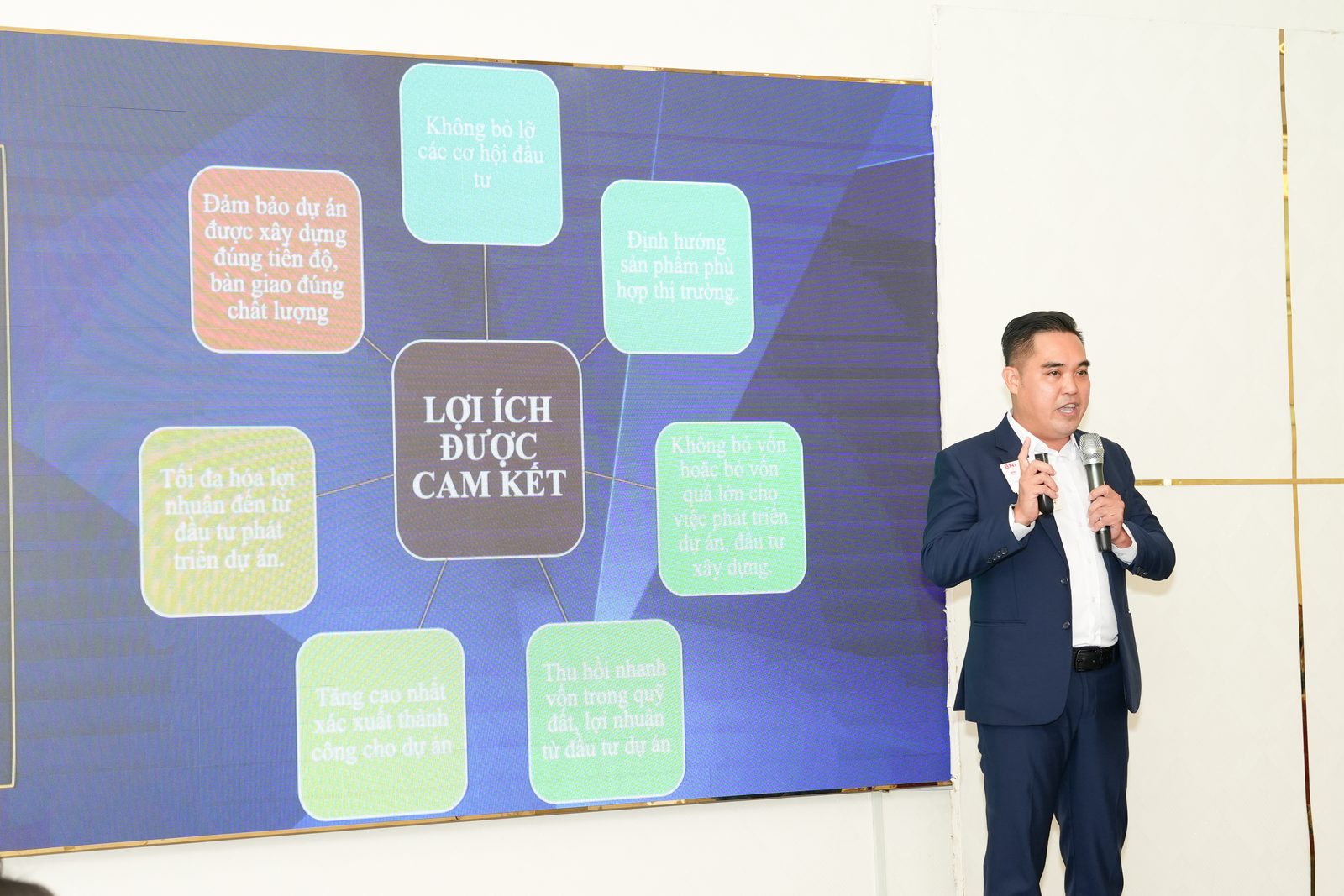
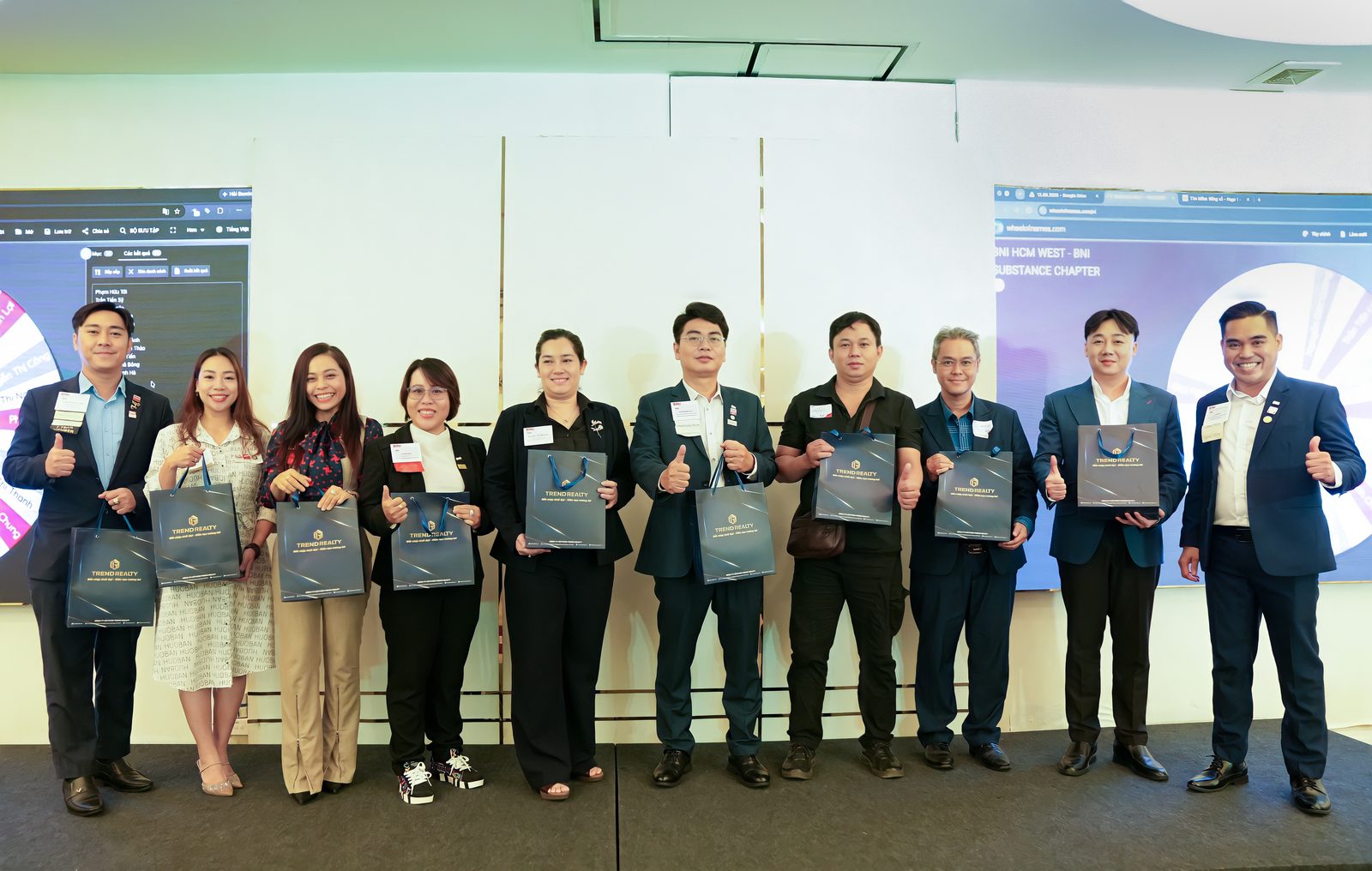
Với thông điệp “Kiến Tạo Giá Trị, Dẫn Lối Tương Lai”, Trend Realty khép lại phần Feature Presentation bằng phần giao lưu, bốc thăm và tặng quà đầy hào hứng dành cho các thành viên, khách mời tham dự.
Kết nối & lan tỏa giá trị
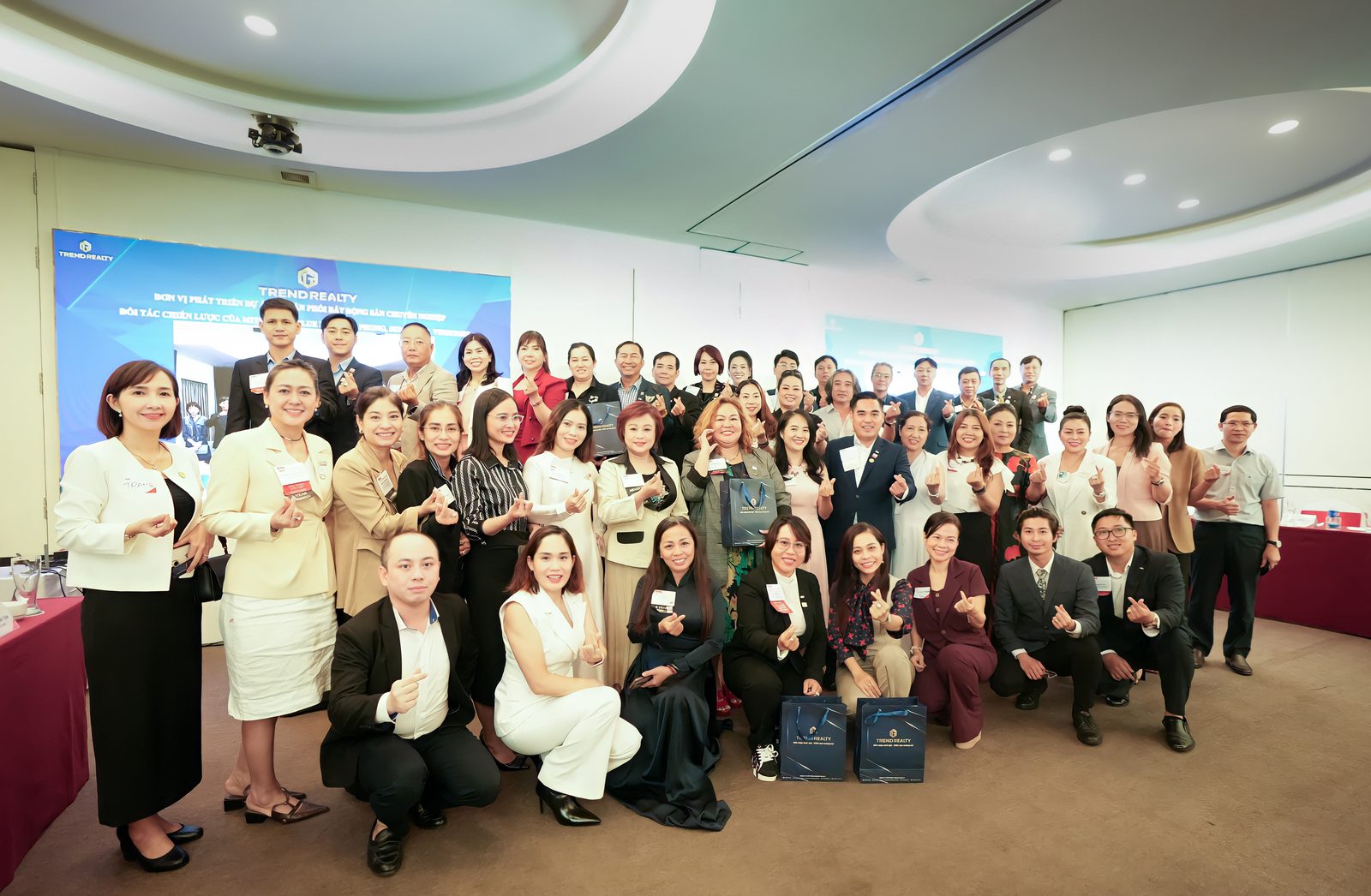
Xuyên suốt buổi sáng, tinh thần Givers Gain® – Cho là nhận của BNI được thể hiện rõ nét qua từng cuộc trò chuyện, từng lời giới thiệu và từng cơ hội kinh doanh được trao đi. Không chỉ là nơi gặp gỡ, buổi Kết nối Kinh doanh còn là môi trường để các chủ doanh nghiệp học hỏi kỹ năng, mở rộng tư duy và tìm kiếm những đối tác đáng tin cậy.
BNI Substance Chapter xin gửi lời cảm ơn chân thành đến hai diễn giả – Mr. Nguyễn Minh Tân và Mr. Lê Văn Vũ, cùng toàn thể thành viên và quý khách mời đã góp phần tạo nên một buổi sáng kết nối thành công. Hẹn gặp lại Quý Anh/Chị tại các sự kiện Kết nối Kinh doanh tiếp theo.
Thông tin Trend Realty: https://www.trendrealty.vn/. Đăng ký tham dự & kết nối cùng BNI Substance Chapter: 0989.212.273 (Ms. Minh Thư).
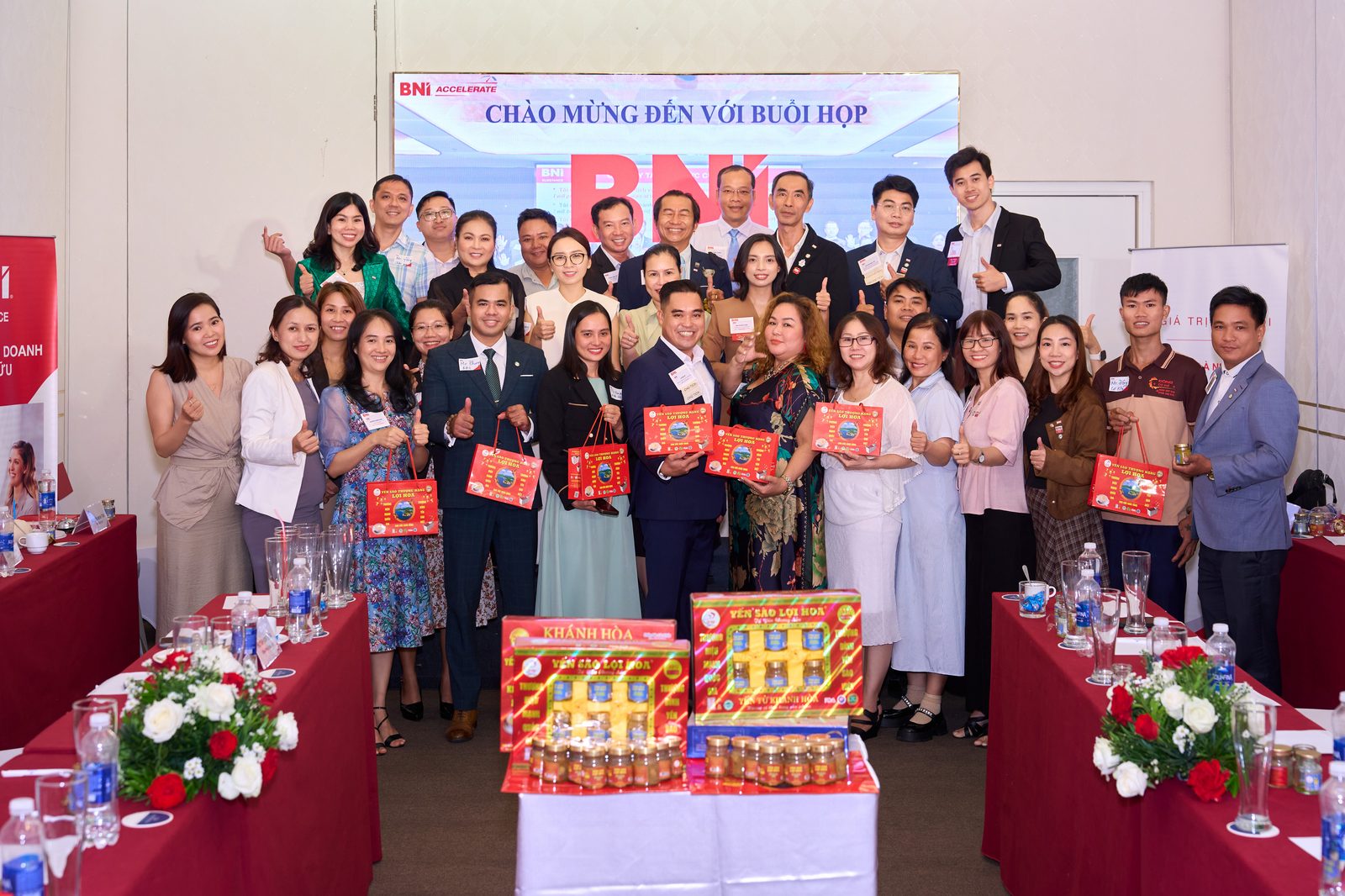
Sự kiện Kết nối Kinh doanh · Thứ Năm, 06/08/2026 · Trung tâm Hội nghị Adora Legend, 32 Hoàng Việt, P. Tân Sơn Nhất, TP.HCM
Sáng thứ Năm, ngày 06/08/2026, tại Trung tâm Hội nghị Adora Legend (32 Hoàng Việt, P. Tân Sơn Nhất, TP.HCM), BNI Substance Chapter (thuộc BNI HCM West) đã tổ chức buổi Kết nối Kinh doanh với sự tham dự của đông đảo chủ doanh nghiệp và khách mời. Trong không khí ấm áp, chuyên nghiệp, các thành viên đã cùng nhau giao lưu, học hỏi, vinh danh những đóng góp nổi bật trong tháng và đón nhận phần giới thiệu doanh nghiệp đầy cảm hứng từ một thành viên trong Chapter.
Giao lưu mở – Khởi đầu cho những kết nối giá trị
Từ 07:30, phiên Giao lưu mở (Open Networking) đã hâm nóng khán phòng. Các doanh nhân chủ động trao đổi danh thiếp, giới thiệu ngắn gọn về sản phẩm – dịch vụ và nhu cầu kết nối trong vòng 30 giây. Đây chính là nét đặc trưng của BNI: mỗi cái bắt tay đều có thể trở thành khởi đầu cho một cơ hội kinh doanh mới, mỗi cuộc trò chuyện đều mở ra khả năng hợp tác dài lâu.
Bài đào tạo Networking: “Đừng bao giờ đi ăn một mình”
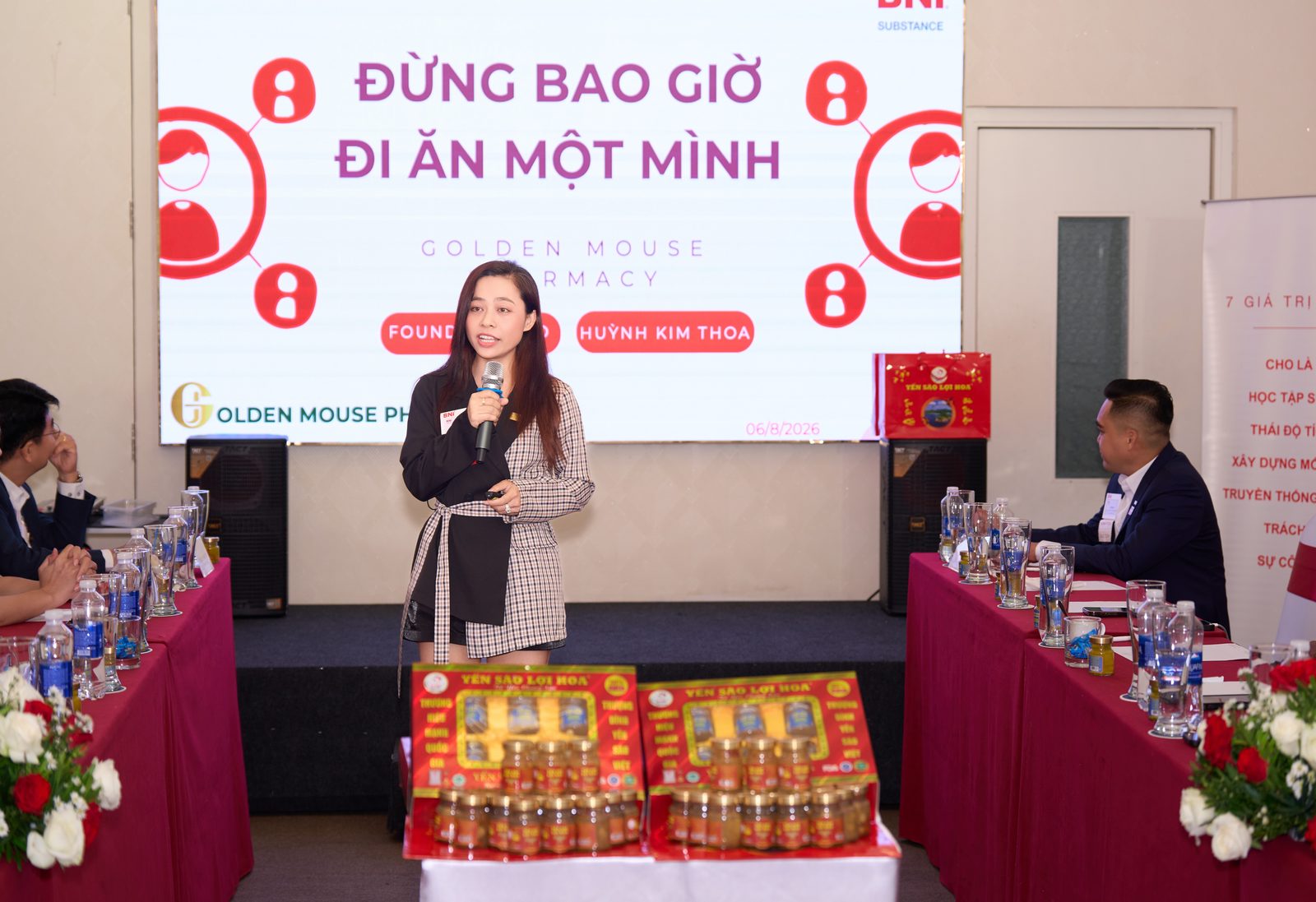
Mở đầu phần Bài đào tạo Networking – nội dung huấn luyện kỹ năng kết nối theo chuẩn BNI được đưa vào mỗi buổi họp Chapter, Ms. Huỳnh Kim Thoa – Founder & CEO Golden Mouse Pharmacy mang đến bài chia sẻ ngắn gọn nhưng đầy cảm hứng: “Đừng bao giờ đi ăn một mình”. Diễn giả nhấn mạnh: đừng chỉ “mời”, hãy “kết nối” bằng sự hiện diện, sự quan tâm và sự tin cậy. Với “công thức Ăn” dễ nhớ – Ă là ăn cùng một người, N là nghe để nhận ra giá trị – mỗi bữa ăn có thể trở thành một kết nối, mỗi kết nối trở thành một giá trị, và mỗi giá trị mở ra một cơ hội. Diễn giả kêu gọi các thành viên áp dụng ngay nguyên tắc “hỏi trước – mời sau”: lắng nghe đủ sâu để hiểu đối phương đang cần gì, trước khi nghĩ đến việc giới thiệu BNI hay đề xuất hợp tác.
Vinh danh Thành viên Xuất sắc Tháng 07/2026
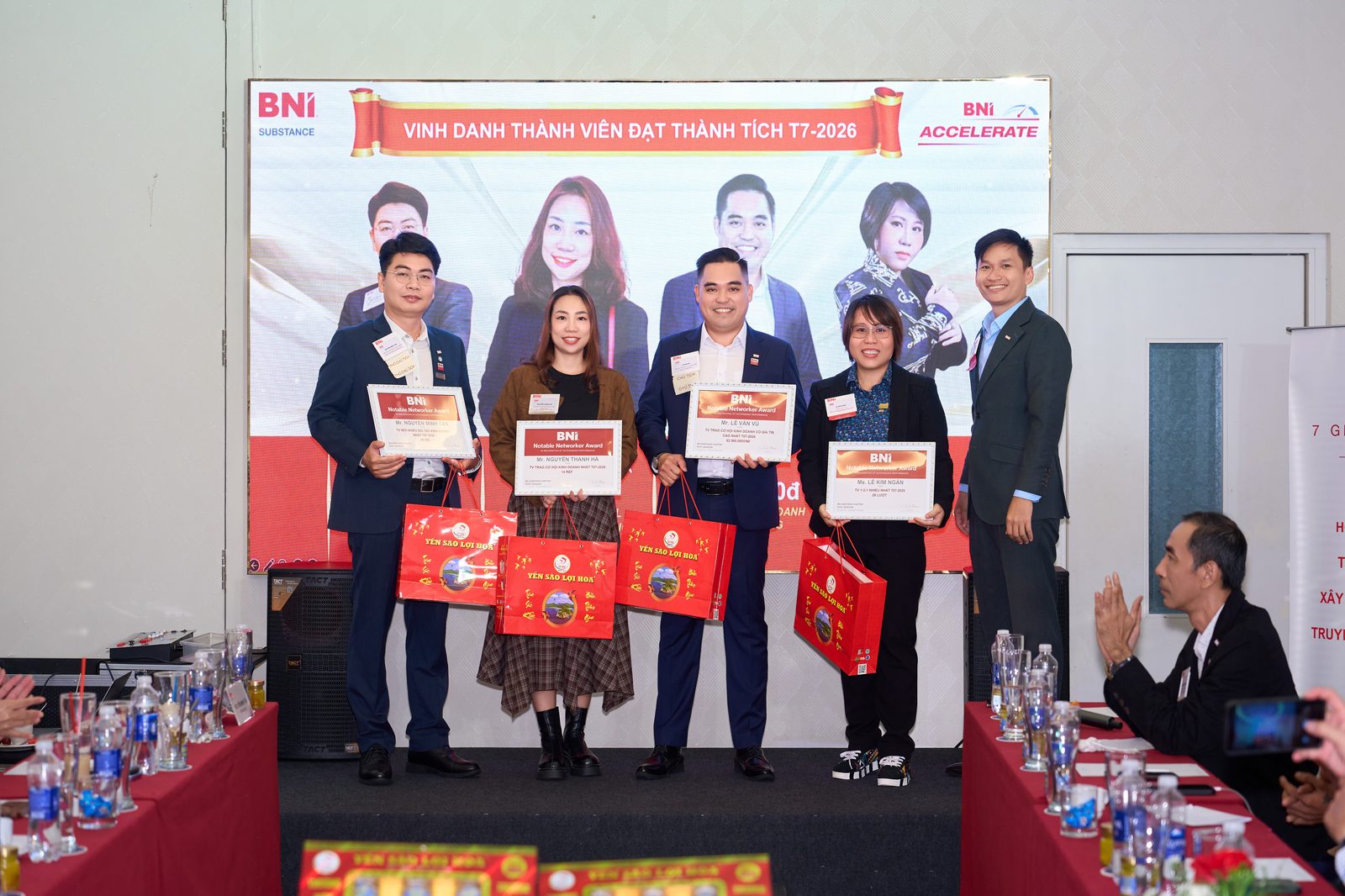
Điểm nhấn tiếp theo của chương trình là lễ vinh danh các thành viên đạt thành tích xuất sắc trong tháng 7/2026, tôn vinh tinh thần chủ động cho đi và xây dựng Chapter theo đúng giá trị cốt lõi Givers Gain® của BNI. Bốn thành viên được trao giải BNI Notable Networker Award gồm:
- Mr. Nguyễn Minh Tân – Mời khách nhiều nhất tháng, với 4 khách mời (4KM).
- Mr. Nguyễn Thanh Hà – Trao referral nhiều nhất tháng, với 14 cơ hội kinh doanh được giới thiệu (14REF).
- Mr. Lê Văn Vũ – Chủ tịch Chapter, đạt tổng giá trị kinh doanh cao nhất tháng với 62.960.000đ.
- Ms. Lê Kim Ngân – Thực hiện nhiều buổi 1-2-1 nhất tháng, với 28 lượt gặp gỡ kết nối.
Những con số này là minh chứng sống động cho việc “cho đi” bền bỉ mỗi ngày – từ một lời mời, một buổi 1-2-1, đến một lời giới thiệu chân thành – đều có thể tạo ra giá trị lớn cho cả cộng đồng doanh nhân BNI Substance.
Feature Presentation: Yến Lợi Hoa – Hành trình 15 năm cùng người nuôi yến Việt Nam
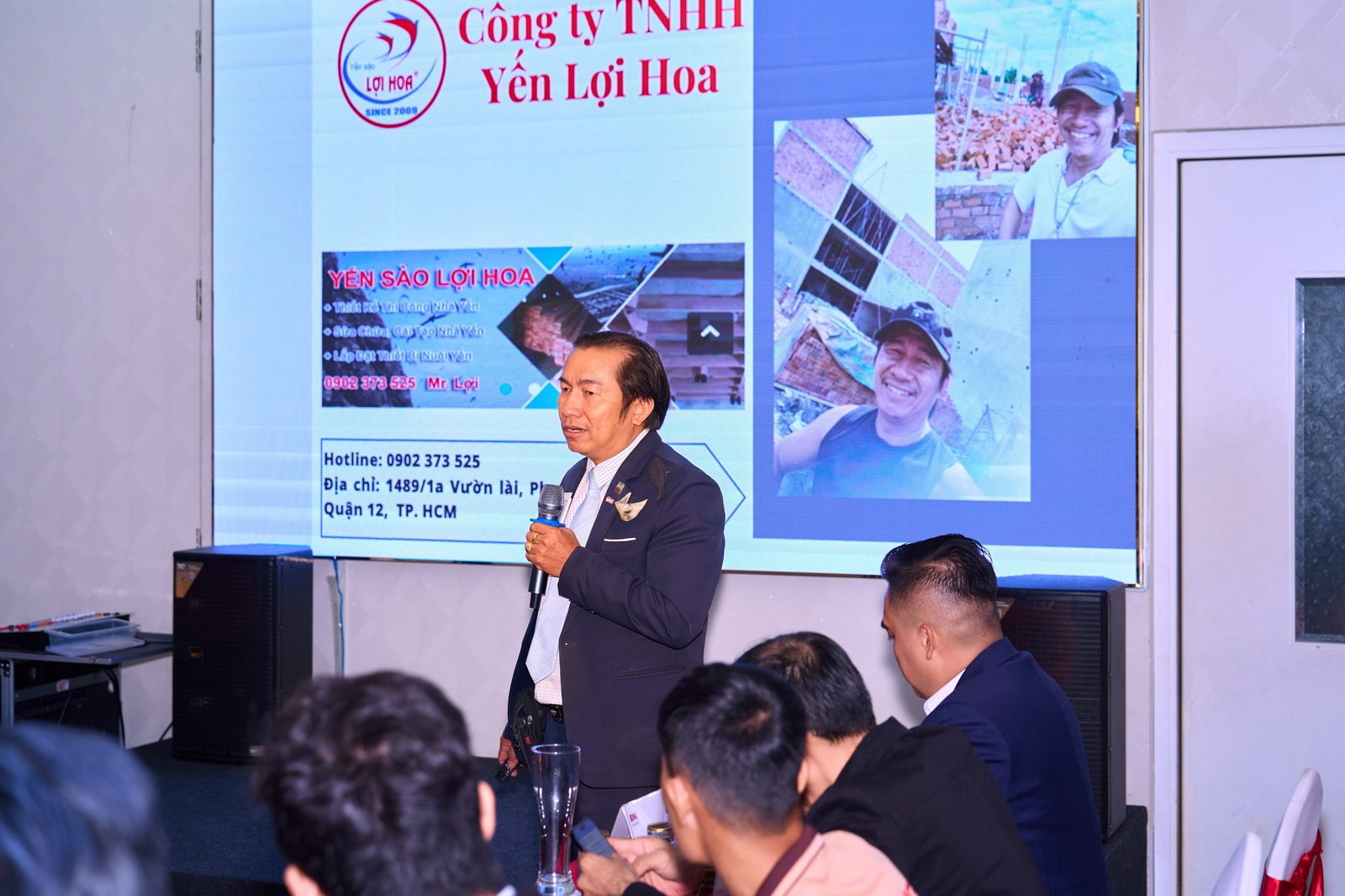
Trọng tâm của buổi Kết nối Kinh doanh tuần này là phần Feature Presentation đến từ Mr. Trần Tấn Lợi – Giám đốc Công ty TNHH Yến Lợi Hoa, với chủ đề “Tôi là ai? Sử dụng Yến sào cho đúng”.
Ra đời từ năm 2009, Yến Lợi Hoa khởi nghiệp từ lĩnh vực tư vấn – thiết kế – xây dựng – sửa chữa nhà nuôi chim yến, trước khi phát triển thành một hệ thống yến sào cao cấp với hai trụ cột song song: xây dựng công trình nhà yến và phân phối sản phẩm yến sào thành phẩm. Diễn giả chia sẻ hành trình đồng hành cùng hàng trăm hộ nông dân trên khắp cả nước – từ tư vấn kỹ thuật, thi công nhà yến đến liên kết thu mua sản phẩm đầu ra – với tâm nguyện “hỗ trợ nông dân trở thành tỷ phú”, biến nghề nuôi yến thành sinh kế bền vững cho nhiều gia đình Việt.
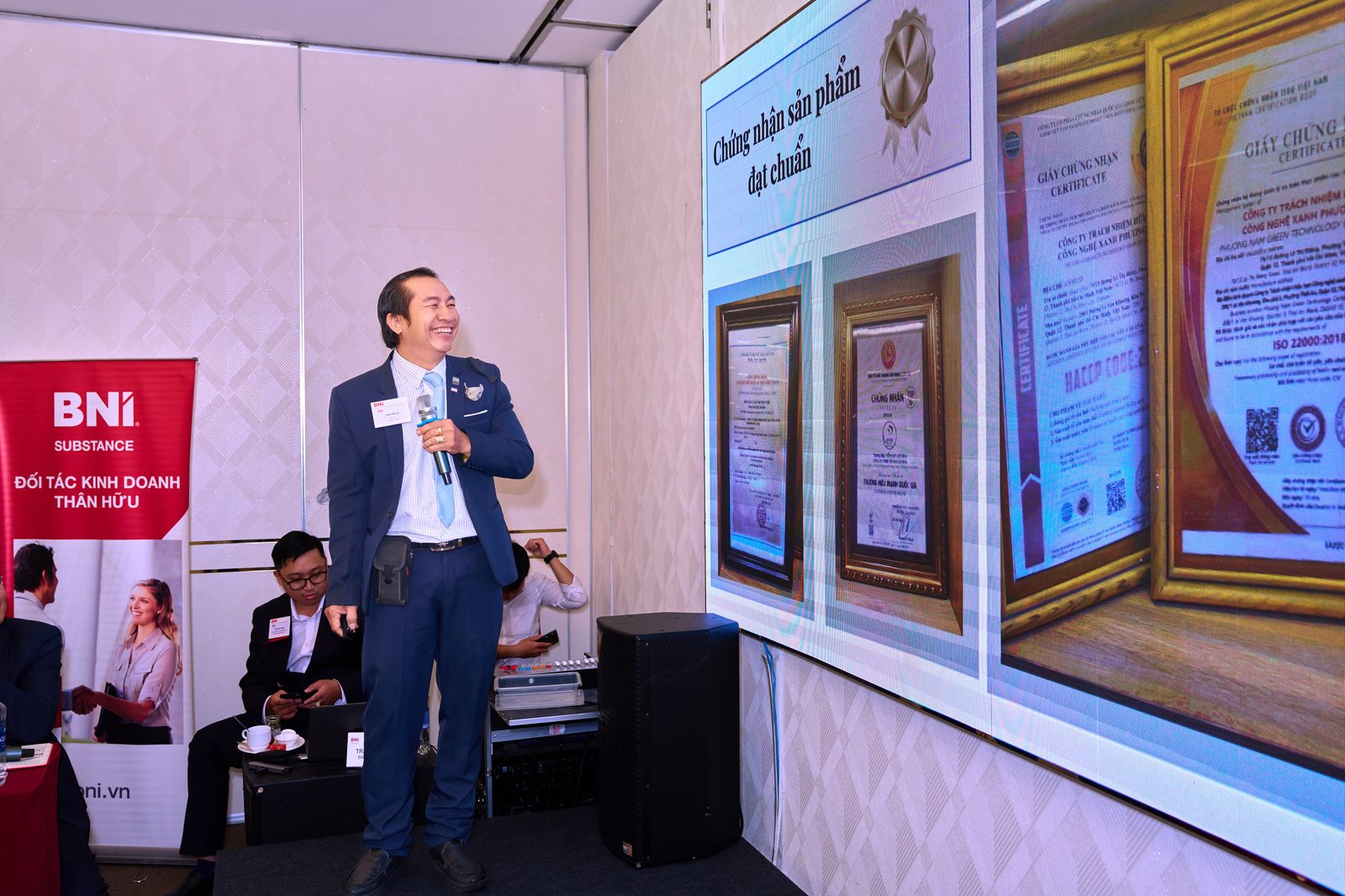
Ở mảng sản phẩm, thương hiệu Yến Lợi Hoa – với các dòng tổ yến, nhân sâm, rượu sâm, linh chi – đạt chuẩn FDA Hoa Kỳ, cùng các chứng nhận HACCP, ISO 22000:2018 và danh hiệu Thương hiệu Mạnh Quốc gia, khẳng định cam kết chất lượng xuyên suốt từ vùng nuôi đến tay người tiêu dùng. Hệ thống phân phối hiện đã có mặt rộng khắp Việt Nam, với chính sách bán hàng linh hoạt và các chương trình khuyến mãi thường xuyên nhằm tri ân khách hàng và mở rộng mạng lưới đại lý.
Câu chuyện của Yến Lợi Hoa không chỉ là câu chuyện kinh doanh, mà còn là minh chứng cho tinh thần Givers Gain® mà BNI theo đuổi: khi doanh nghiệp tạo ra giá trị thật cho cộng đồng – ở đây là người nông dân nuôi yến – thì sự phát triển bền vững sẽ tự nhiên theo sau.
Thông tin liên hệ: Công ty TNHH Yến Lợi Hoa – 1489/1A Vườn Lài, P. An Phú Đông, Q.12, TP.HCM. Hotline: 0902 373 525 (Mr. Lợi).
Kết nối, trao cơ hội và lan tỏa giá trị
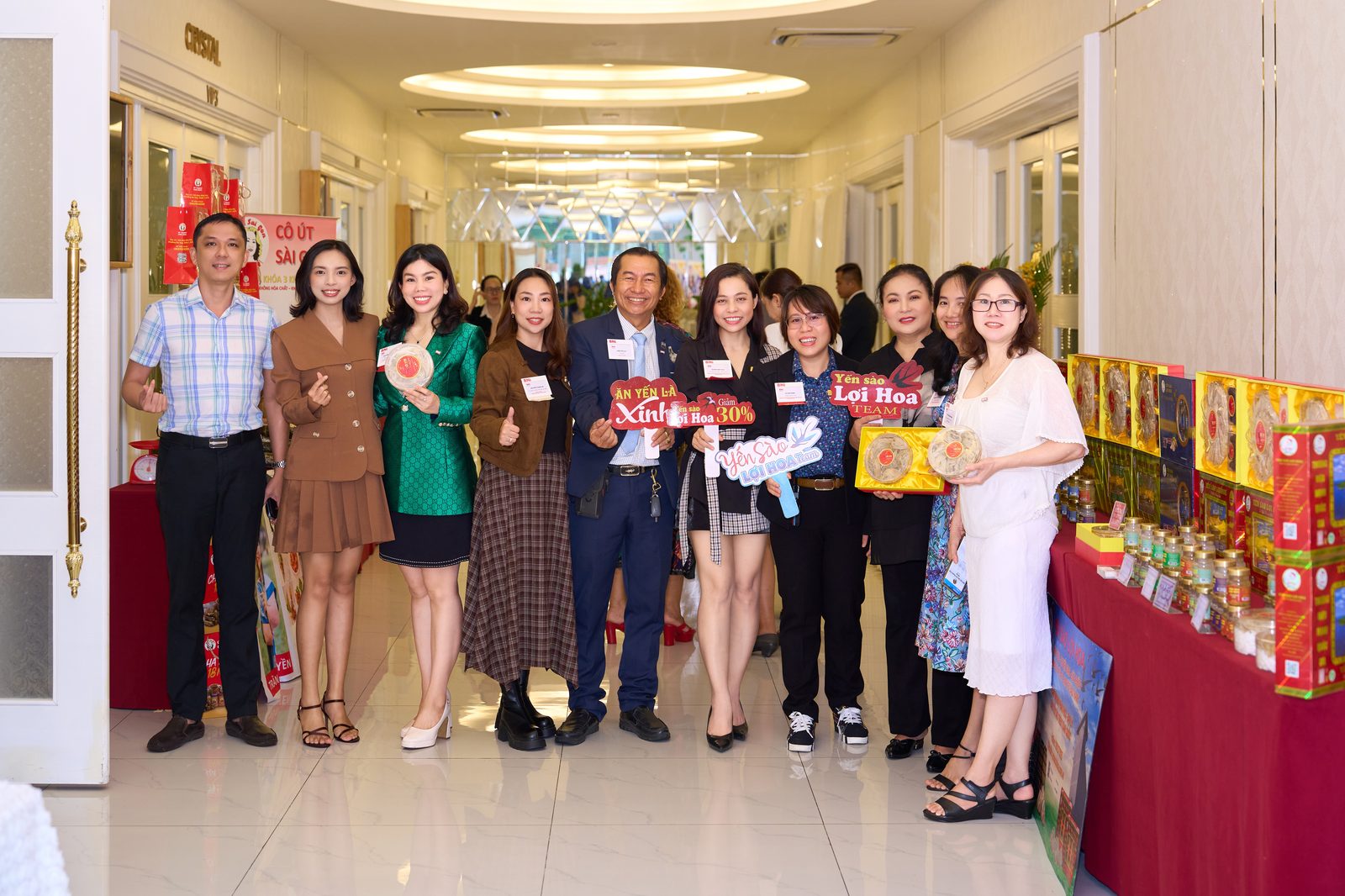
Xuyên suốt buổi sáng, tinh thần Givers Gain® – Cho là nhận của BNI được thể hiện rõ nét qua từng cuộc trò chuyện, từng lời giới thiệu và từng cơ hội kinh doanh được trao đi. Không chỉ là nơi gặp gỡ, buổi Kết nối Kinh doanh còn là môi trường để các chủ doanh nghiệp học hỏi kỹ năng, mở rộng tư duy và tìm kiếm những đối tác đáng tin cậy.
BNI Substance Chapter xin gửi lời cảm ơn chân thành đến hai diễn giả, các thành viên đạt thành tích xuất sắc trong tháng, cùng toàn thể thành viên và quý khách mời đã góp phần tạo nên một buổi sáng kết nối thành công. Hẹn gặp lại Quý Anh/Chị tại các sự kiện Kết nối Kinh doanh tiếp theo.
Đăng ký tham dự & kết nối cùng BNI Substance Chapter: 0989.212.273 (Ms. Minh Thư).
Đăng ký để nhận Nhận vé mời